06.07.2026
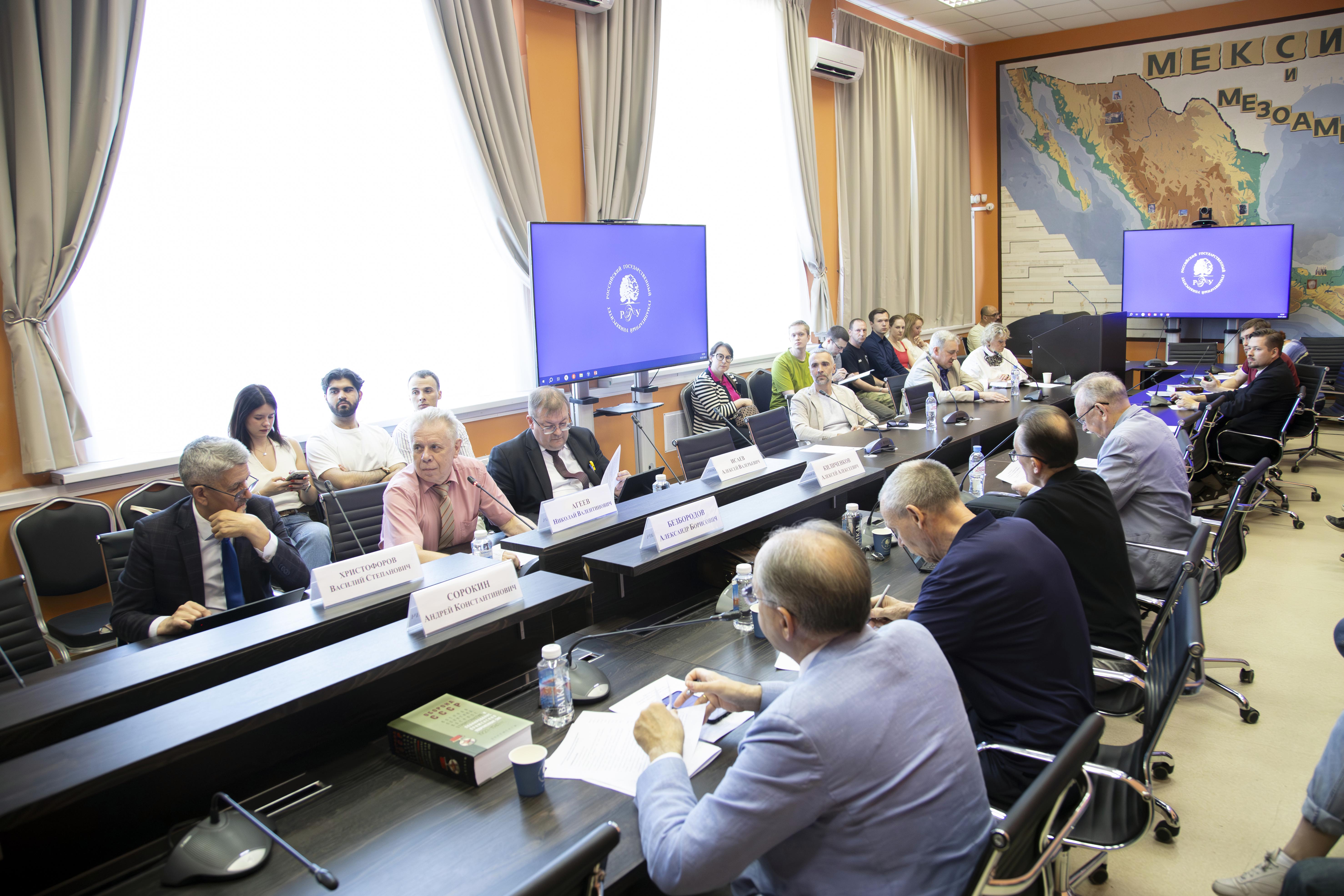
On July 3, the Russian State University for the Humanities hosted a roundtable titled "The Stormy 1930s, the Fiery 1941: On the Feat of Our Ancestors Without Retouching or Embellishment," organized by RSUH jointly with the Military Academy of the General Staff of the Armed Forces of the Russian Federation.
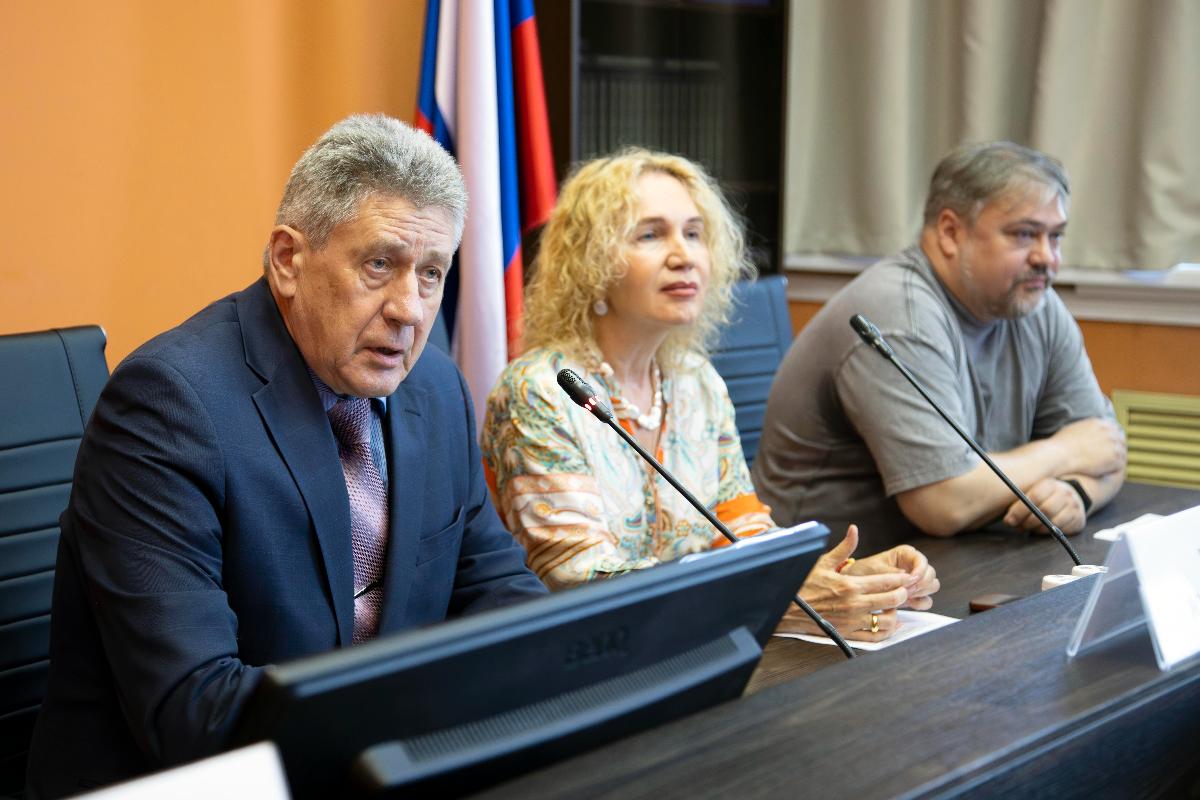
"We have invited leading specialists to discuss the most important issues related to the outbreak of the Second World War and the Great Patriotic War. This is an open conversation among professionals — deep experts who know the sources and research this subject matter, based on new archival documents and their interpretation," shared Olga Pavlenko, Vice-Rector for Research and Project Work at RSUH, emphasizing that RSUH has been cooperating with the Military Academy of the General Staff of the Armed Forces of the Russian Federation for many years and that it is precisely this pooling of efforts by leading research centers that allows for a substantive discussion of events of key importance to national history.
During the roundtable, leading historians, archivists, and military specialists discussed a wide range of issues related to the international situation on the eve of the Second World War, the military-political and strategic planning of the USSR, the development of the Soviet defense-industrial complex, and the country's preparation to repel aggression. The participants paid special attention to the analysis of new archival documents that allow for a fresh understanding of the causes of the Great Patriotic War, the first days of combat operations, and the role of political, military, and human factors in the events of 1941. The discussion also centered on the problems of preserving historical memory and the objective study of the past based on documentary sources.
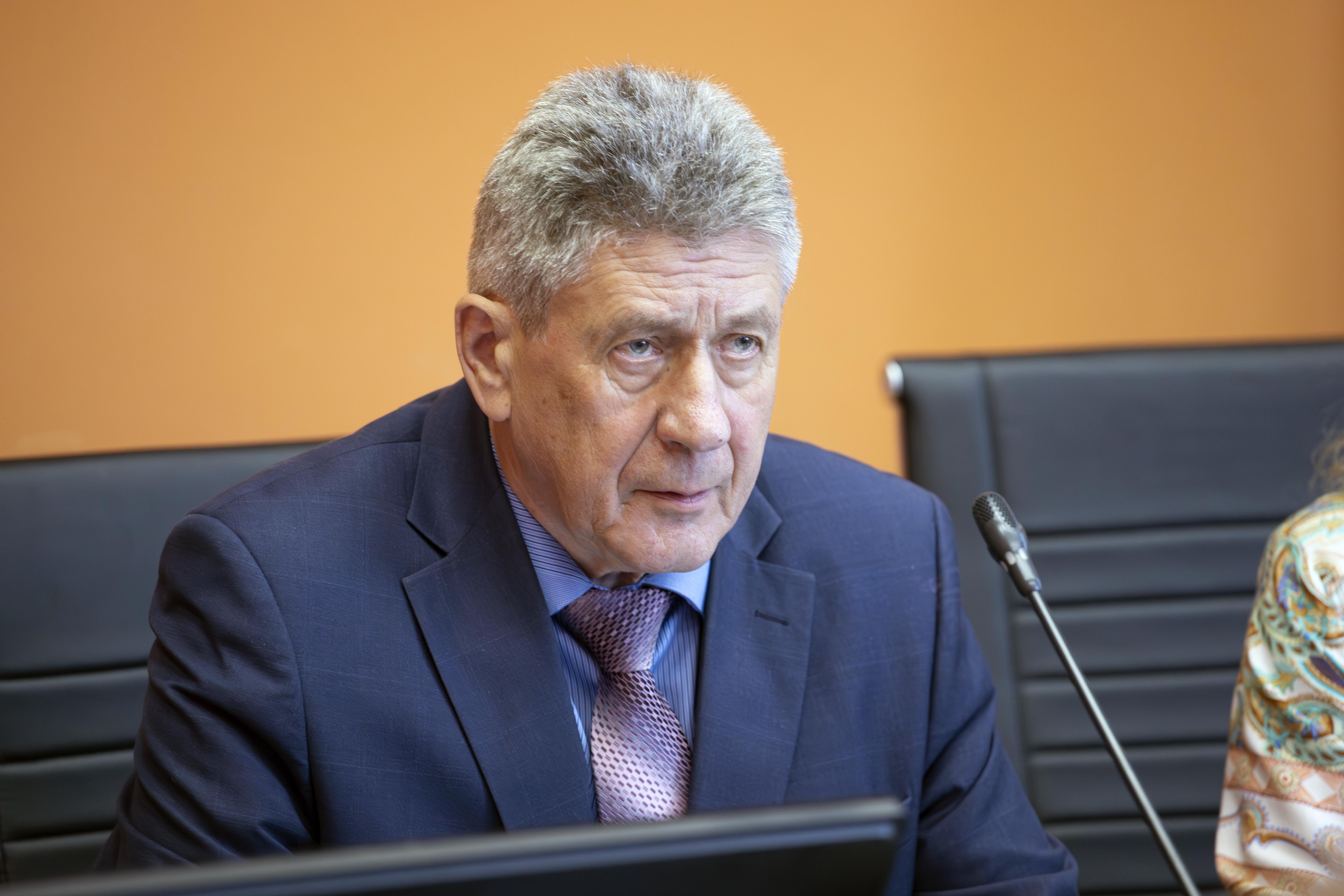
"The younger generation needs to understand the events of that time in order to pass this knowledge on to future generations. There were mistakes, but we must bow to that generation — the feat they accomplished is one that no one else will ever accomplish. When we examine the reasons for failures, we should not condemn — we must analyze all these moments so as not to repeat or allow these mistakes in the future," emphasized Yury Botev, Head of the Department of the History of Wars and Military Art at the Military Academy of the General Staff of the Armed Forces of the Russian Federation.
The first session, dedicated to military-strategic planning and political aspects on the eve of the Great Patriotic War, was opened by Nikolay Ageev, Professor of the Department of the History of Wars and Military Art at the Military Academy of the General Staff of the Armed Forces of the Russian Federation. In his presentation, he analyzed the international situation of the late 1930s, the influence of the outcomes of the First World War on the formation of a new system of international relations, and the reasons that led to the outbreak of the Second World War. The speaker paid special attention to the policies of the European powers, the Soviet Union's attempts to create a system of collective security, and changes in Soviet military planning on the eve of the war.
Continuing the discussion, Alexey Kilichenkov, Professor of the Department of Modern Russian History at RSUH, addressed the question of possible alternatives in Soviet military planning during the pre-war period. The participants discussed the extent to which the decisions taken in the late 1930s and early 1940s corresponded to the prevailing international situation and what factors determined the choice of the Soviet Union's strategy.
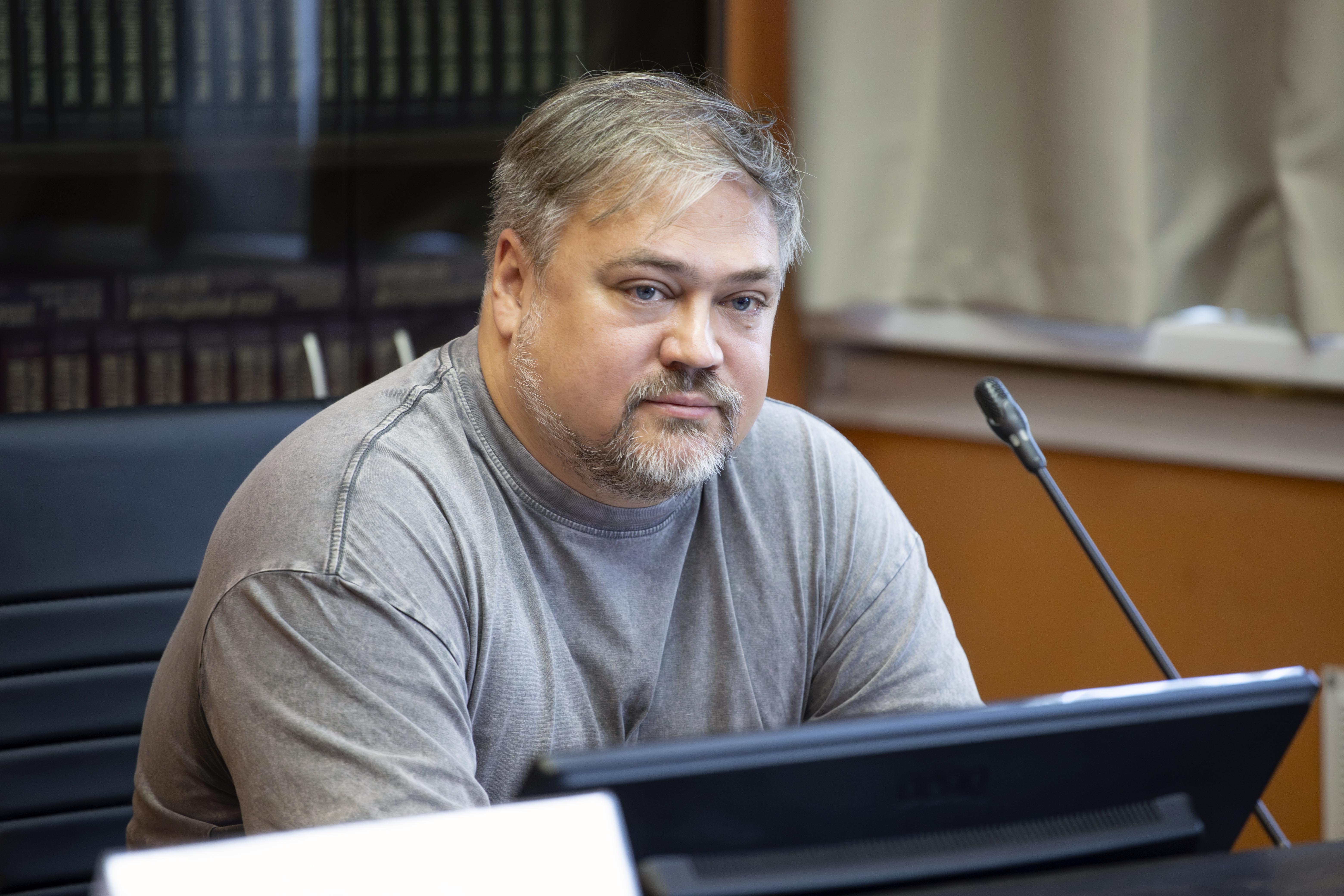
Special attention to source studies was given by Andrey Sorokin, Director of the Historical and Archives Institute of RSUH, who spoke about the extensive work on identifying, describing, and digitizing archival materials dedicated to the USSR's preparations for the Great Patriotic War, noting that many documents have only recently been introduced into scholarly circulation.
"We still have a vast, untapped field of historical sources and documented information that has not yet been brought into public or even scholarly circulation," emphasized Andrey Sorokin.
The second thematic block was devoted to the Soviet military-industrial complex. Alexander Bezborodov, Head of the Department of Modern Russian History at RSUH, presented a report on the formation of the Soviet military-industrial complex in the pre-war years, while Yury Botev, Head of the Department of the History of Wars and Military Art at the Military Academy of the General Staff of the Armed Forces of the Russian Federation, revealed the specific features of the activities of the State Defense Committee as an emergency body of state administration under wartime conditions.
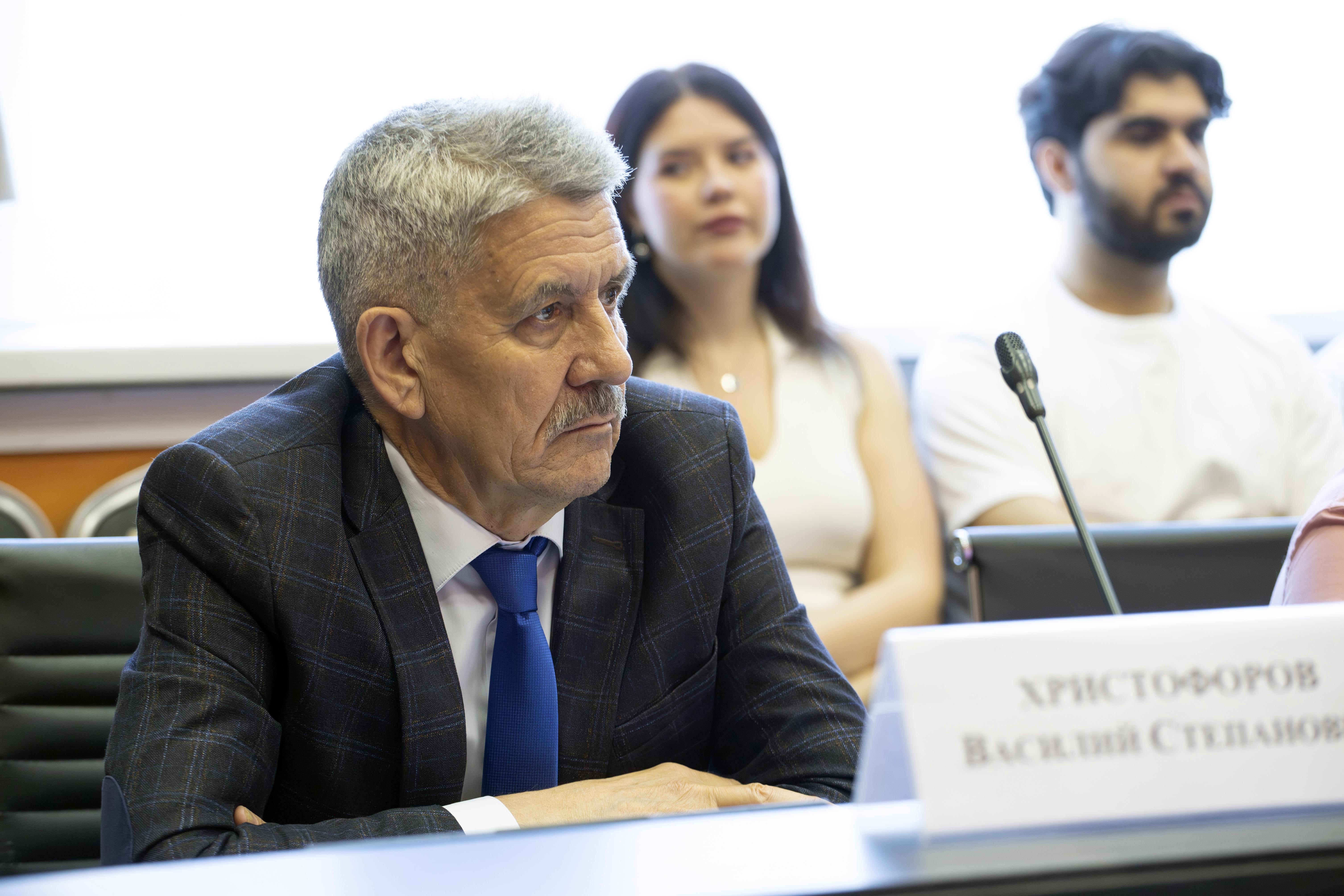
During the third session, participants examined the human and military-technical factors of the beginning of the Great Patriotic War. The reports addressed the preparation of the USSR Armed Forces to repel aggression, the first combat operations on the Soviet-German front in the summer of 1941, as well as an assessment of the operational situation on the Western, Southwestern, and Northwestern fronts based on Soviet counterintelligence materials. Their research was shared by Alexey Isaev and Vasily Khristoforov, Director of the Institute of International Relations and Political Sciences at RSUH and Corresponding Member of the Russian Academy of Sciences.
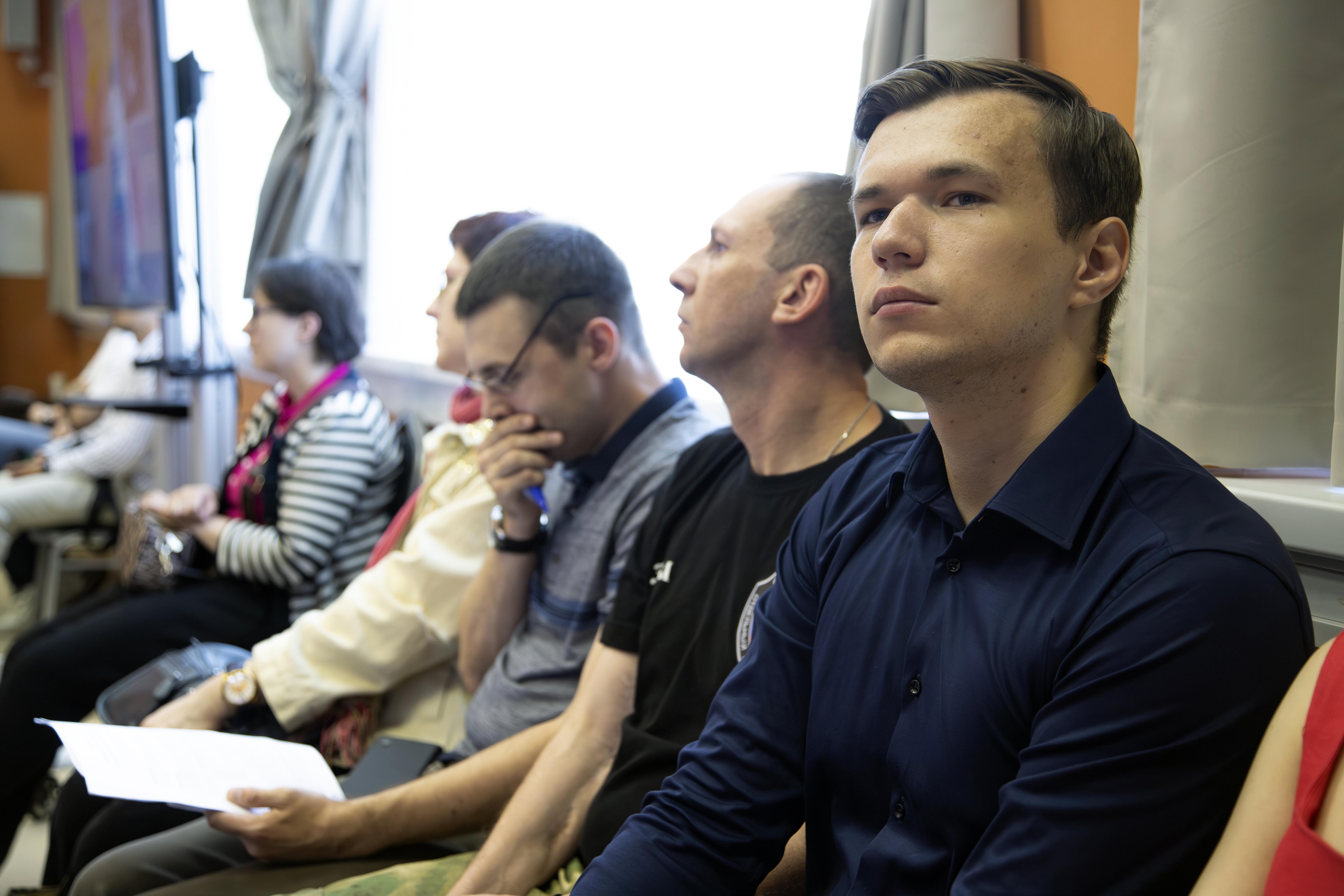
Following each thematic block, discussions took place, during which historians, archivists, military specialists, faculty, graduate students, and students debated the presented reports, exchanged views on the most controversial issues of the history of the Great Patriotic War, and emphasized the importance of further study of archival sources for an objective understanding of the events of 1941.