12.10.2026
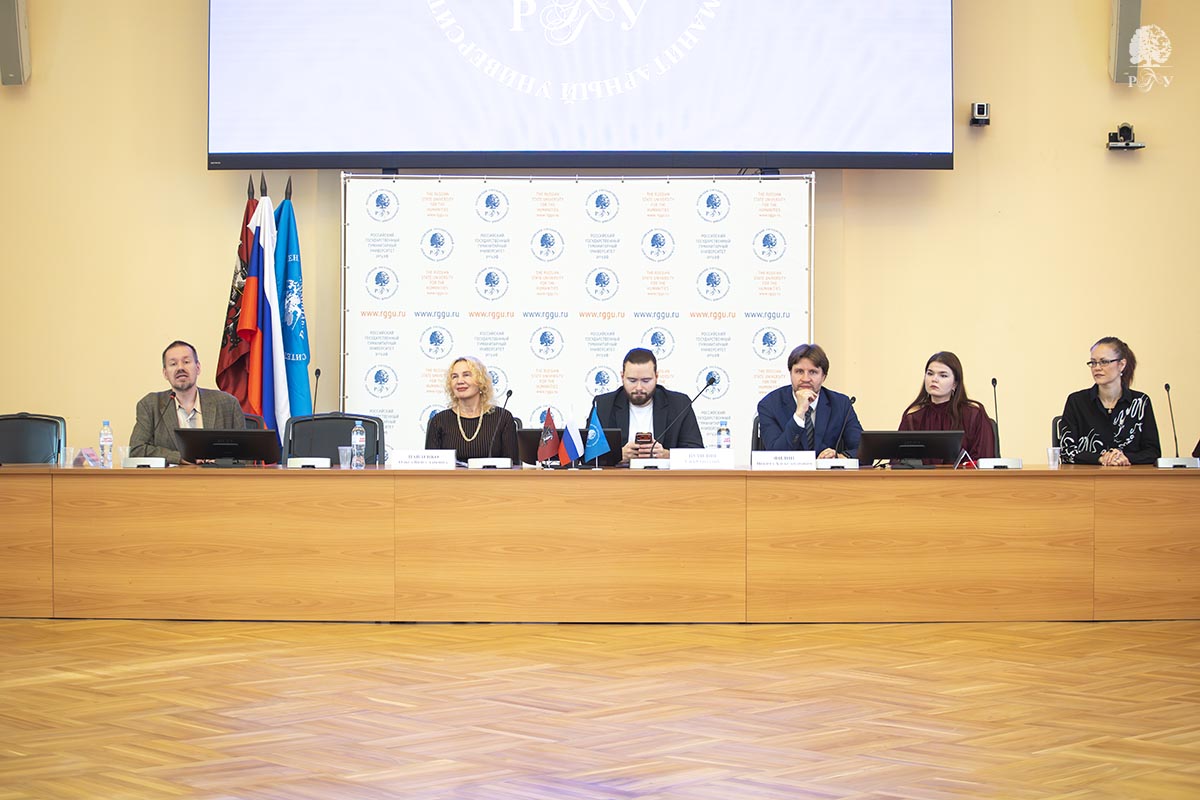
On October 8, Russian State University for the Humanities hosted the 11th International Conference of Young Orientalists, Studia Orientalia Juvenica, bringing together early-career researchers to discuss current issues in the history, politics, culture, and languages of Asian and African countries.
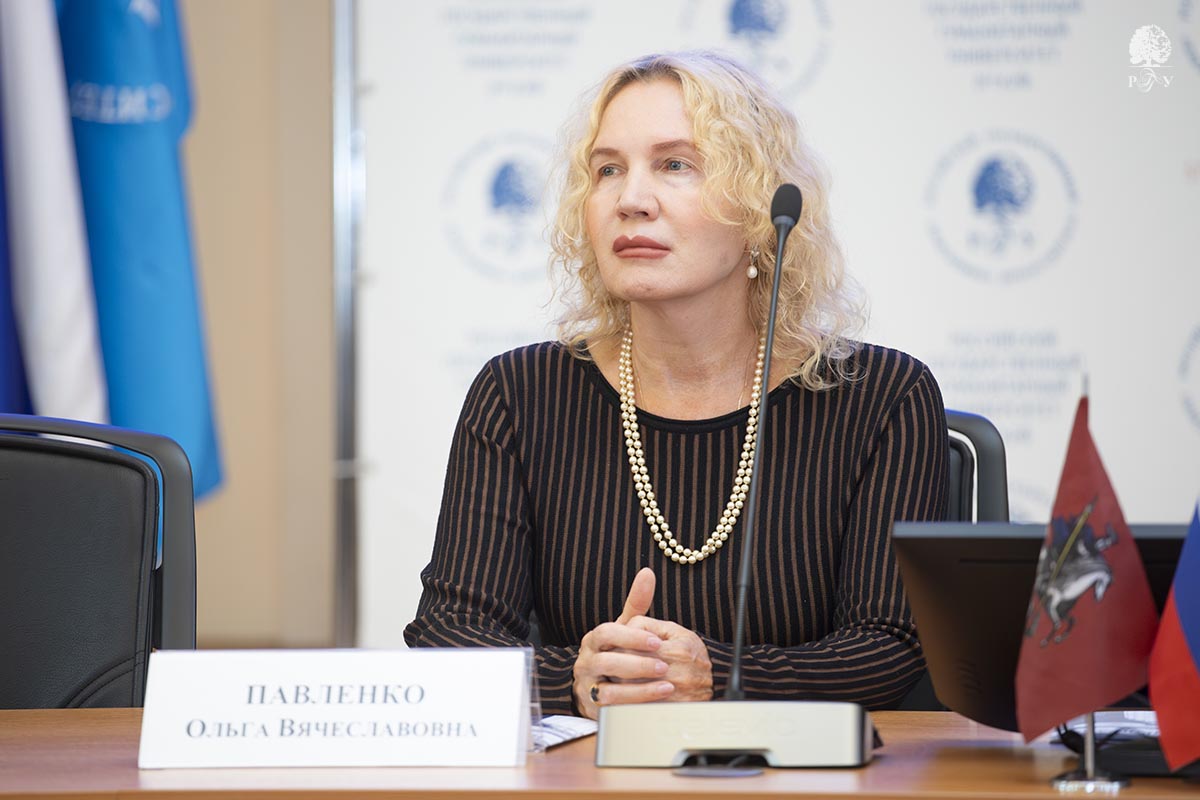
“Contemporary Oriental studies represent a unique combination of interdisciplinary approaches and profound knowledge of the history, culture, languages, economics, ethnology, and anthropology of the regions under study,” emphasized Olga Pavlenko, RSUH Vice-Rector for Research and Project Activities.
Addressing the young researchers, Olga Pavlenko noted that, given the growing influence of the Global South on international affairs, specialists capable not only of studying the historical and cultural characteristics of individual countries in depth but also of analyzing the complex relationships between them and proposing solutions to current academic and practical challenges are becoming particularly valuable. The Conference, which opened the program of RSUH Student Science Days 2026, provided aspiring Orientalists with an opportunity to present their research findings to the academic community, receive expert feedback, and take their first steps toward publishing scholarly papers.
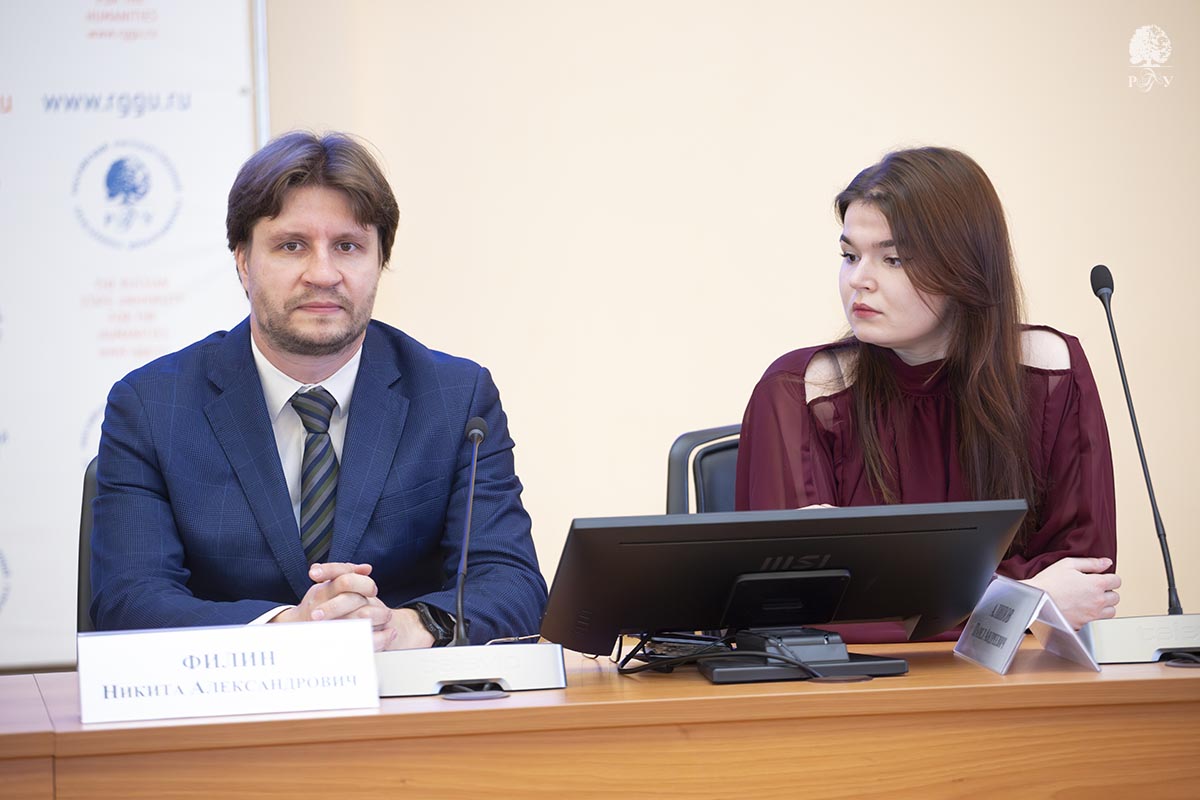
“We were among the first universities in Russia to introduce Oriental studies as an academic discipline. We started with nine students, and today we have more than 350 students and approximately 60 faculty members. We are constantly developing, expanding language training, introducing new areas of study, and establishing cooperation with employers,” said Nikita Filin, Dean of the Faculty of Oriental and African Studies at the RSUH Institute of Eurasian and Oriental Studies.
Continuing the discussion of the development of the University's tradition of Oriental studies, Nikita Filin described the evolution of the academic field, which, over a quarter of a century, has progressed from its first experimental programs to a comprehensive system for training specialists in Asian and African studies.
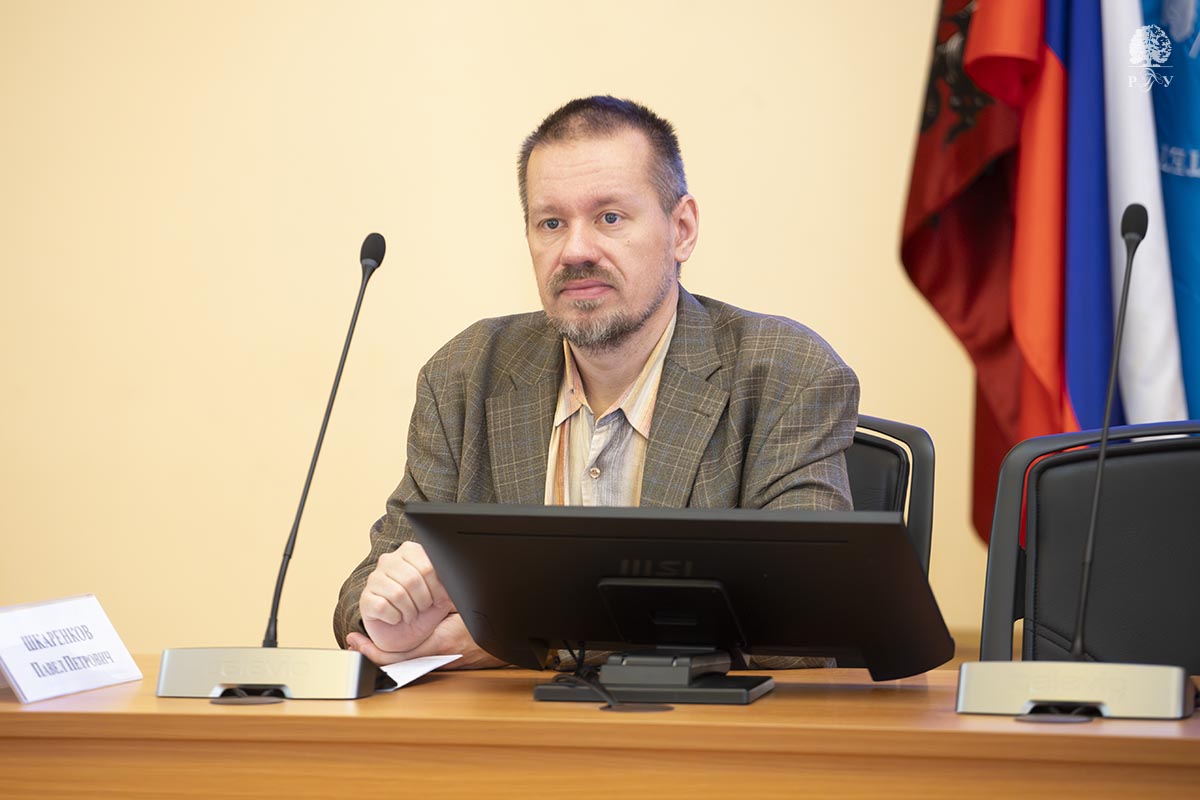
The importance of preserving academic traditions and continuity between generations was emphasized by Pavel Basharin, Director of the RSUH International Russian-Iranian Center, who discussed the history of Oriental studies education at the University. Recalling the distinguished professors who had laid the foundations of the academic school, he noted that its defining characteristic had always been a shared pursuit of knowledge that united students and mentors. The opportunity to communicate directly with established researchers enabled students to go far beyond the formal curriculum and develop their own academic interests.
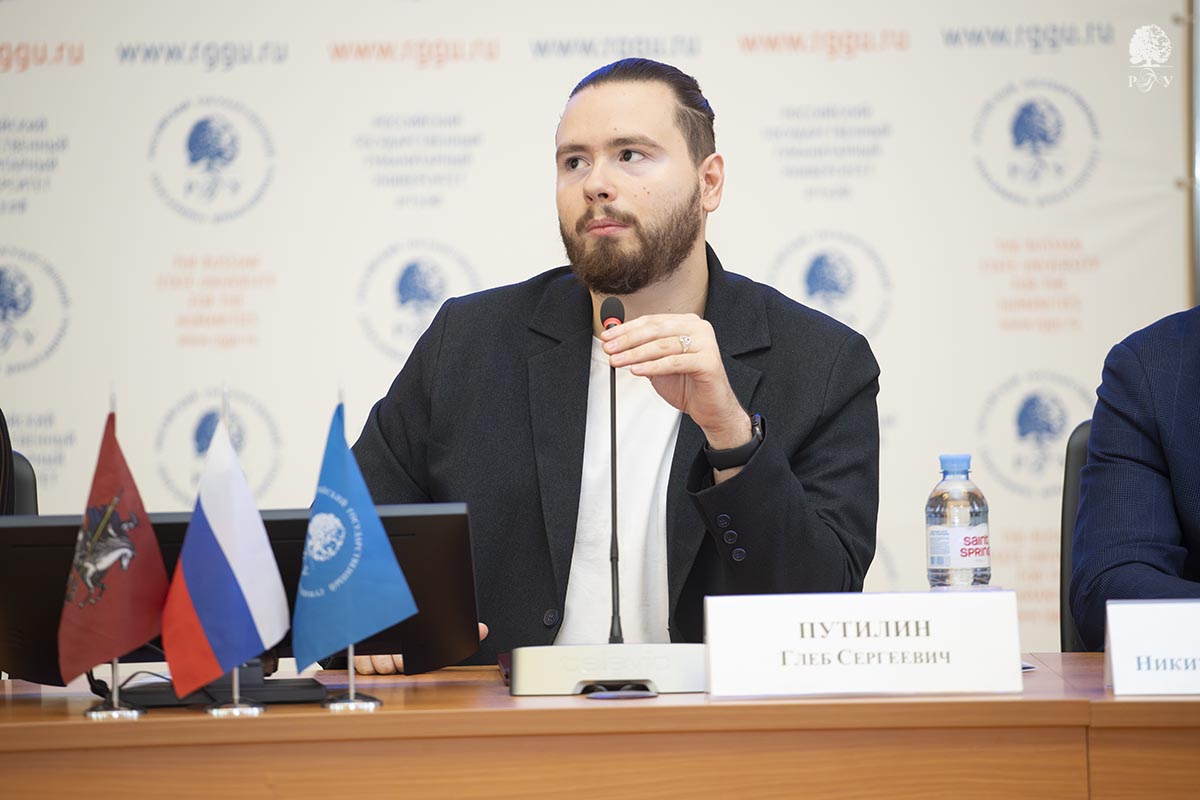
A special part of the plenary session was a welcoming address from RSUH Academic Director and member of the Russian Academy of Sciences Efim Pivovar, read aloud by Gleb Putilin, Deputy Director for Academic Affairs at the RSUH Institute of Eurasian and Oriental Studies.
In his address, Efim Pivovar emphasized the growing role of Asian and African countries in global politics and economics, noting that contemporary international developments require the training of specialists capable of developing a deep understanding of the historical, cultural, social, and political characteristics of the regions they study.
Following the plenary session, the conference continued with five thematic sections devoted to research in the history, political science, philology, religious studies, and cultures of Eastern countries.
The broad geographical scope of the presentations allowed participants to examine both the historical processes that shaped the development of Asian and African countries and contemporary international relations, socioeconomic transformations, and cultural changes.
One of the central areas of discussion concerned political processes in the Middle East, Iran, and Pakistan, with particular attention paid to the formation of Russia's image in Iranian society.
Research on East Asia covered an equally diverse range of topics. Presentations addressed the digitalization of Chinese education, reform of China's pension system, the development of Russian-Chinese trade and economic cooperation, and the adaptation of Chinese companies to changing geopolitical conditions.
The section on the history and political science of the Muslim East and Africa examined the modernization of higher education in Saudi Arabia, transformations in Algeria's state media policy, the distinctive features of Lebanon's political system, and the formation of national consciousness among African peoples.
Historical and cultural topics were complemented by research in philology, religious studies, and linguistics.
The presenters examined ancient texts, mythological beliefs, and the linguistic characteristics of Eastern peoples, offering different approaches to understanding cultural heritage and its significance for contemporary scholarship.
The 11th International Conference of Young Orientalists, Studia Orientalia Juvenica, became one of the first events of RSUH Student Science Days 2026.
The conference reaffirmed the importance of university academic platforms for developing research competencies, strengthening scholarly ties, and nurturing a new generation of specialists capable of comprehensively analyzing developments in Asian and African countries.