02.10.2026
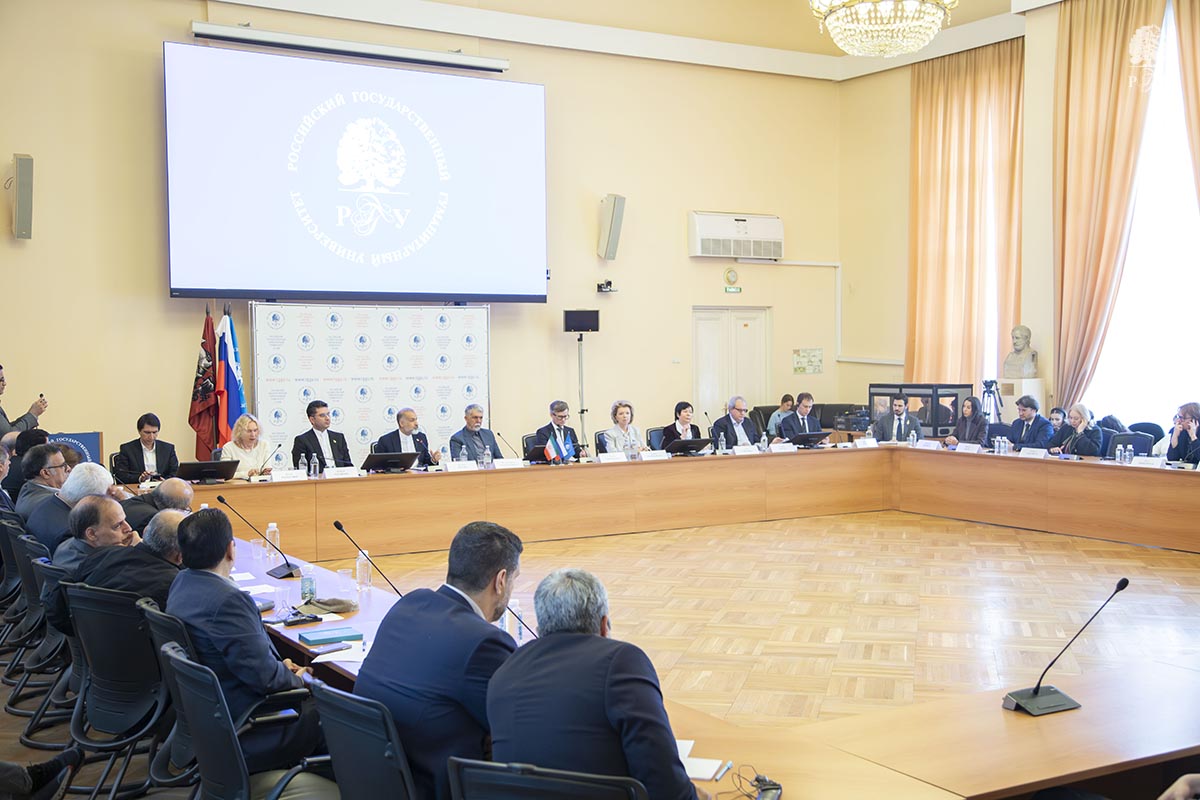
On September 28, RSUH hosted the forum “The Role of Culture in Russian-Iranian Cooperation,” where representatives of the two countries discussed cooperation in culture, science, and education.
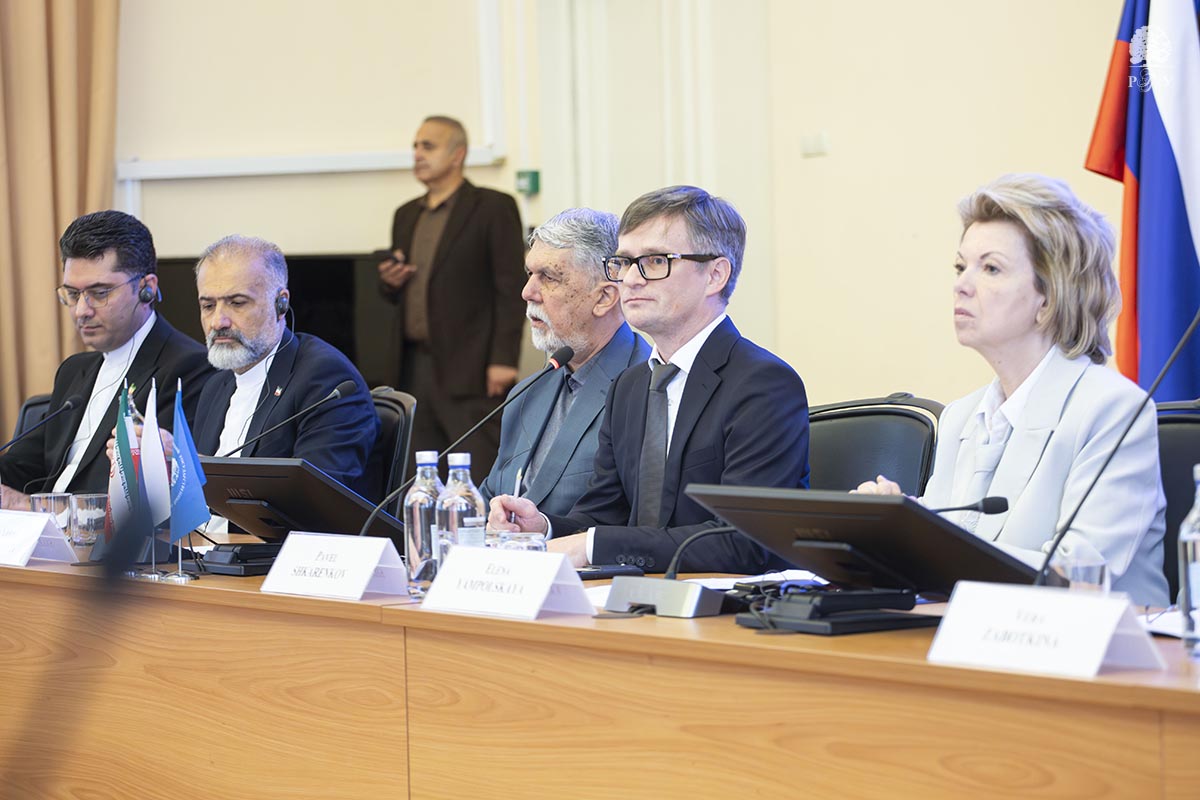
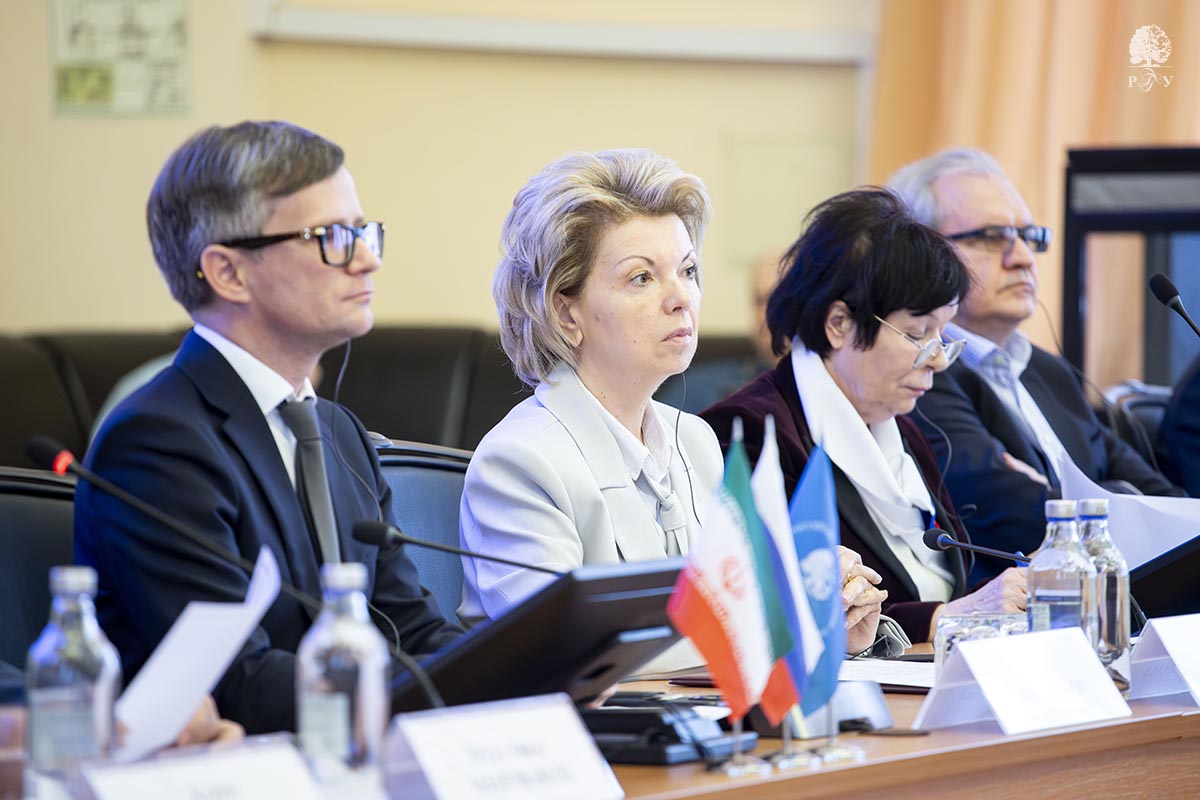
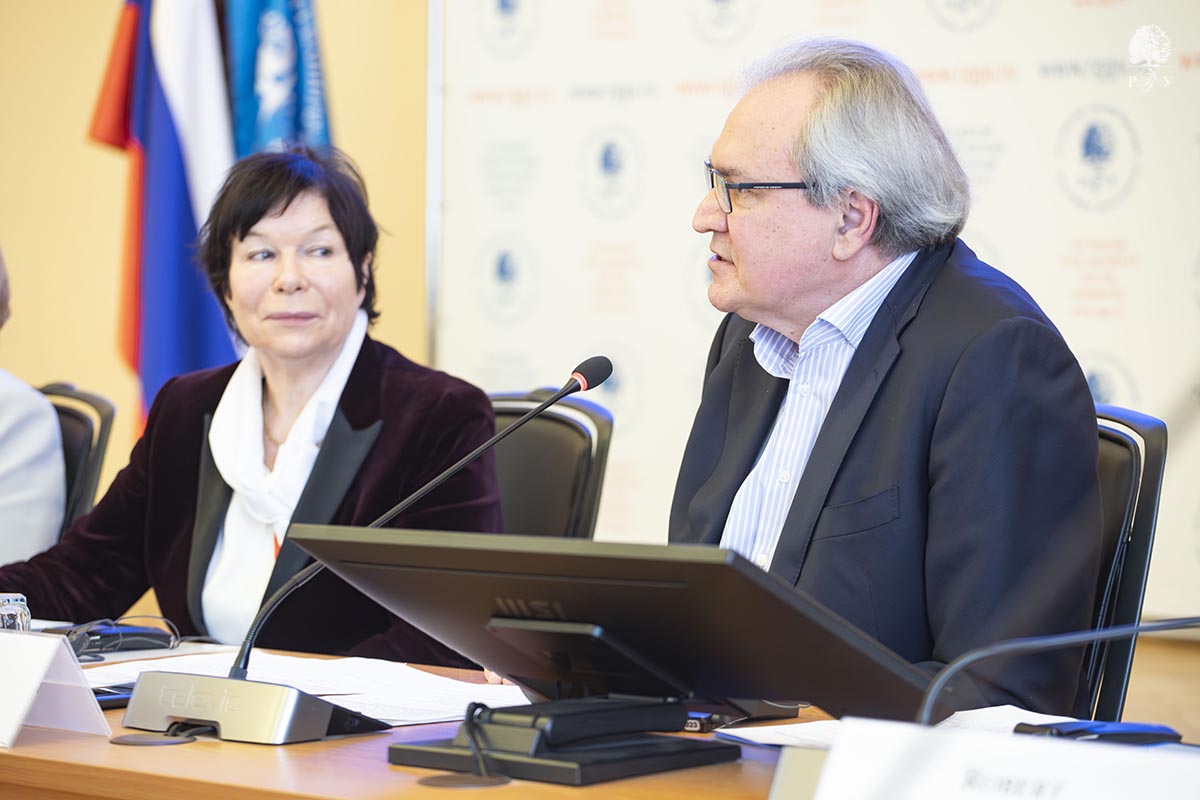
“In our discussions with our Iranian friends and colleagues, we emphasize that in today's world, science, technology, and intellectual potential are precisely what guarantee the preservation of our traditions, our values, and the way of life we choose and have inherited from our ancestors. Both Russia and Iran are peace-loving countries. We are simply defending our right to live as we believe is right, in accordance with the legacy of our ancestors,” said Elena Yampolskaya, Adviser to the President of the Russian Federation.
She also addressed the development of educational and scientific contacts, the teaching of Russian in Iran, and the activities of Russian cultural and educational centers. According to the figures presented, Russia and Iran are implementing more than 30 joint research projects, while the number of Iranian students studying in Russia has approached 10,000.
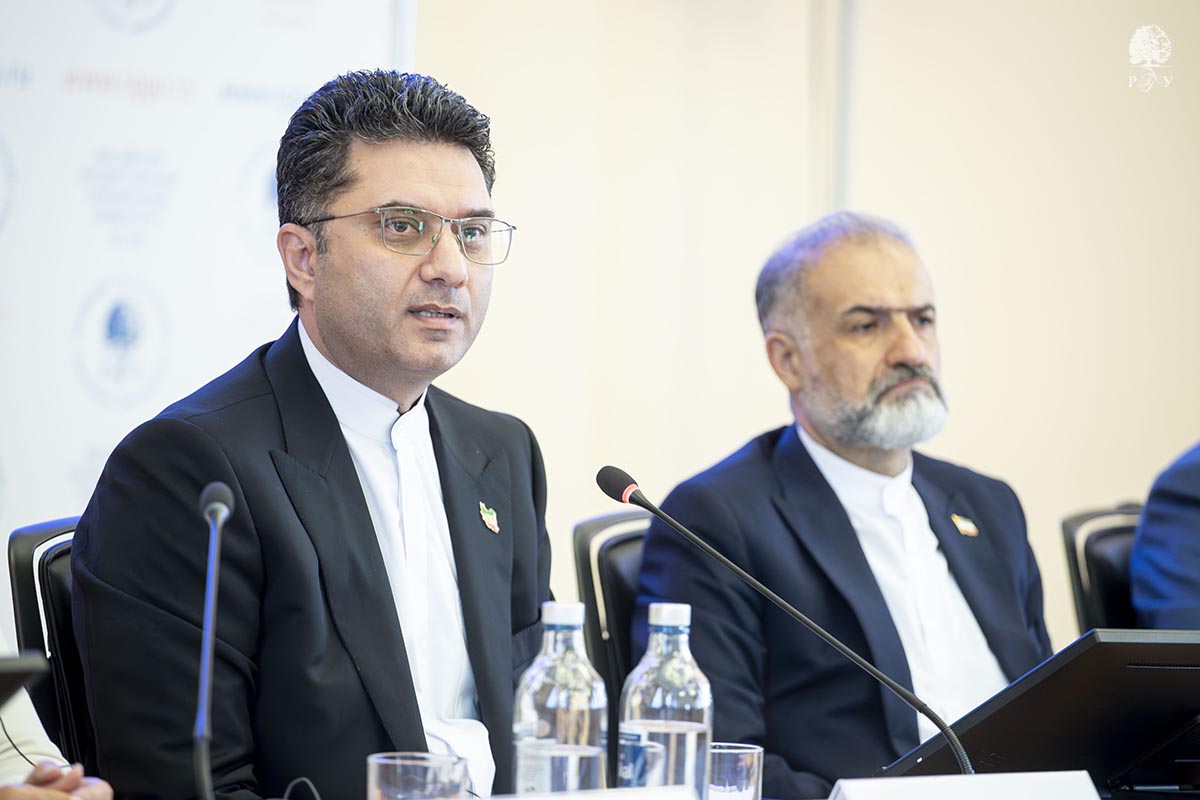
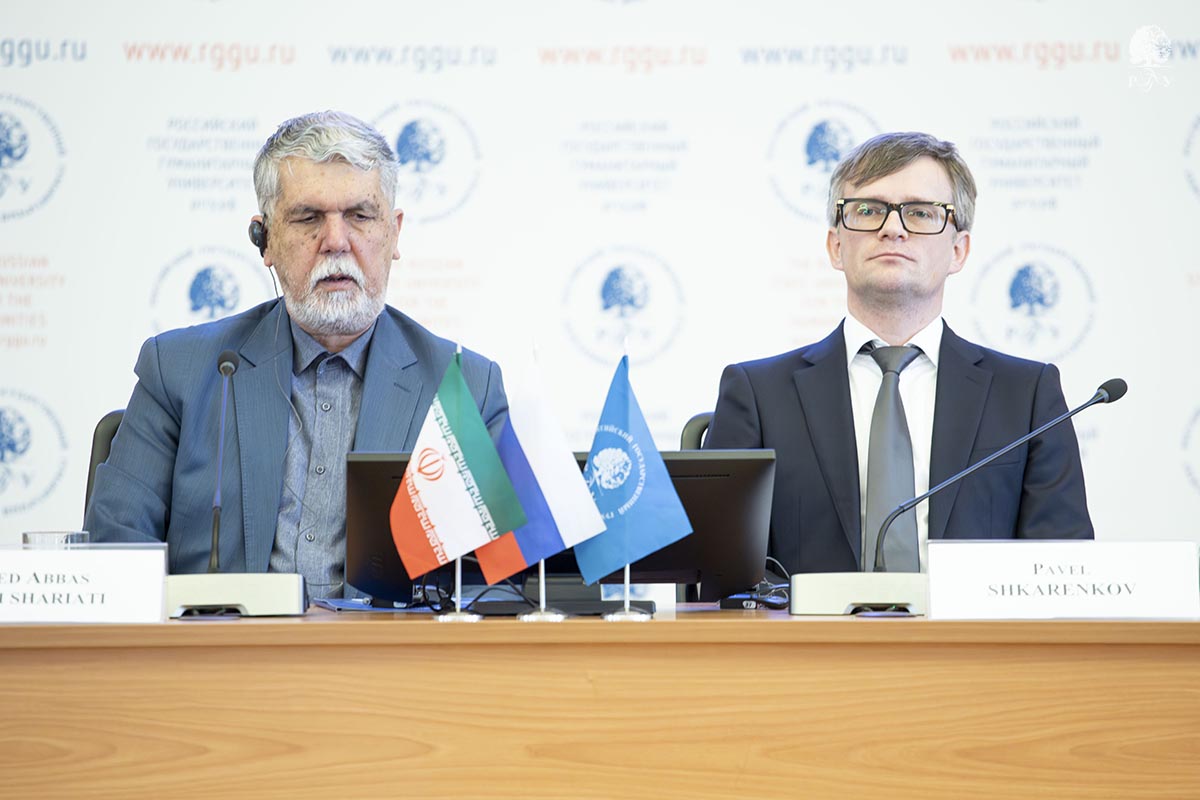
Seyed Abbas Salehi, Minister of Culture and Islamic Guidance of the Islamic Republic of Iran, highlighted the wide range of joint educational programs in history, culture, economics, law, and public administration, placing particular emphasis on the study of Russian and Persian. According to him, language, literature, and religion can serve as bridges for cultural dialogue between the two countries.
Kazem Jalali, Ambassador Extraordinary and Plenipotentiary of the Islamic Republic of Iran to the Russian Federation, spoke about the scale of the ties already established. More than 200 agreements are currently in effect between Russian and Iranian scientific and educational institutions. The diplomat emphasized that relations between the two countries are multifaceted and based on shared history, cultural traditions, and mutual respect.
Valery Fadeev, Adviser to the President of the Russian Federation, continued the discussion of Russian-Iranian dialogue, emphasizing the importance of the peoples of both countries becoming familiar with each other's cultures. As one means of promoting such mutual understanding, he presented the “Cultural Calling Card” project, designed to introduce schoolchildren to major works of literature, music, and visual art, as well as the history and cultural characteristics of different countries.
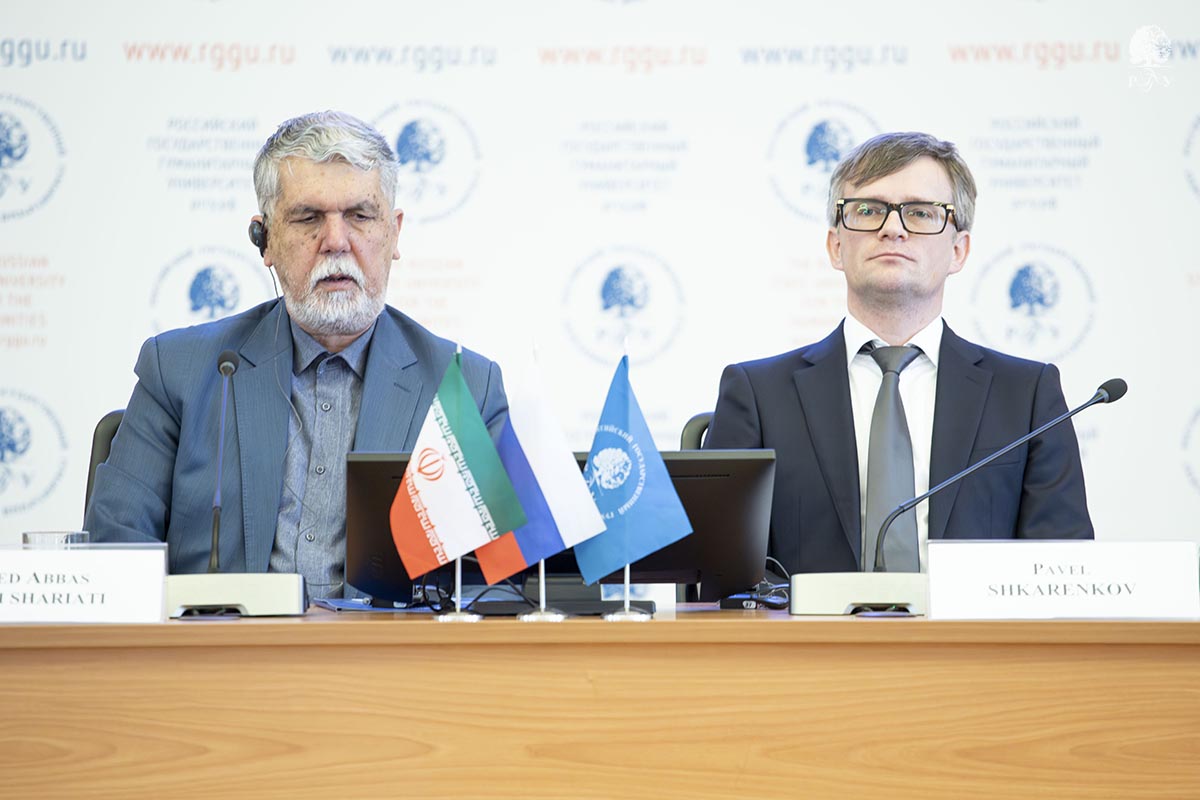
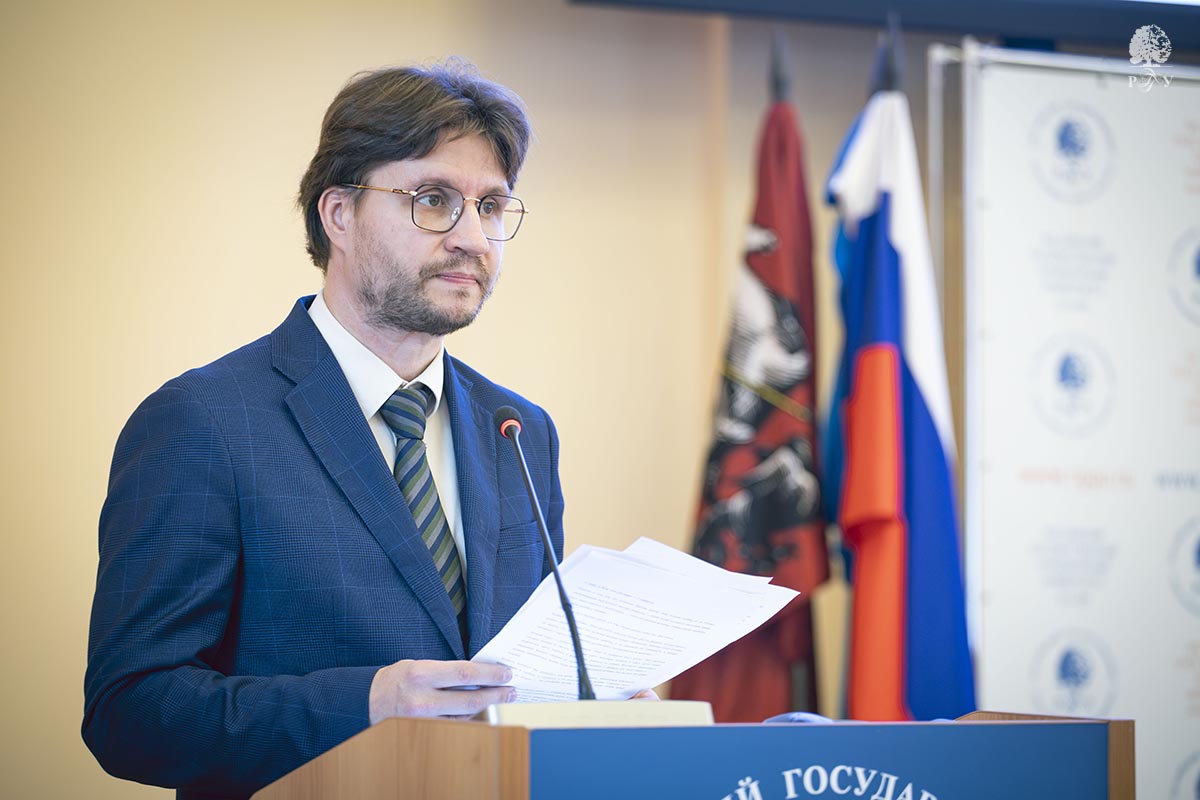
Pavel Shkarenkov, RSUH Vice-Rector for Academic Affairs, spoke about the University's experience in developing Russian-Iranian relations. He recalled that the Center for Iranian Studies was established at the RSUH Institute of Linguistics in 1998 to study Iranian history and culture and Russian-Iranian relations. Today, RSUH cooperates with Iranian universities and research institutions, implements academic mobility programs, and offers Persian language courses to students from various faculties and institutes.
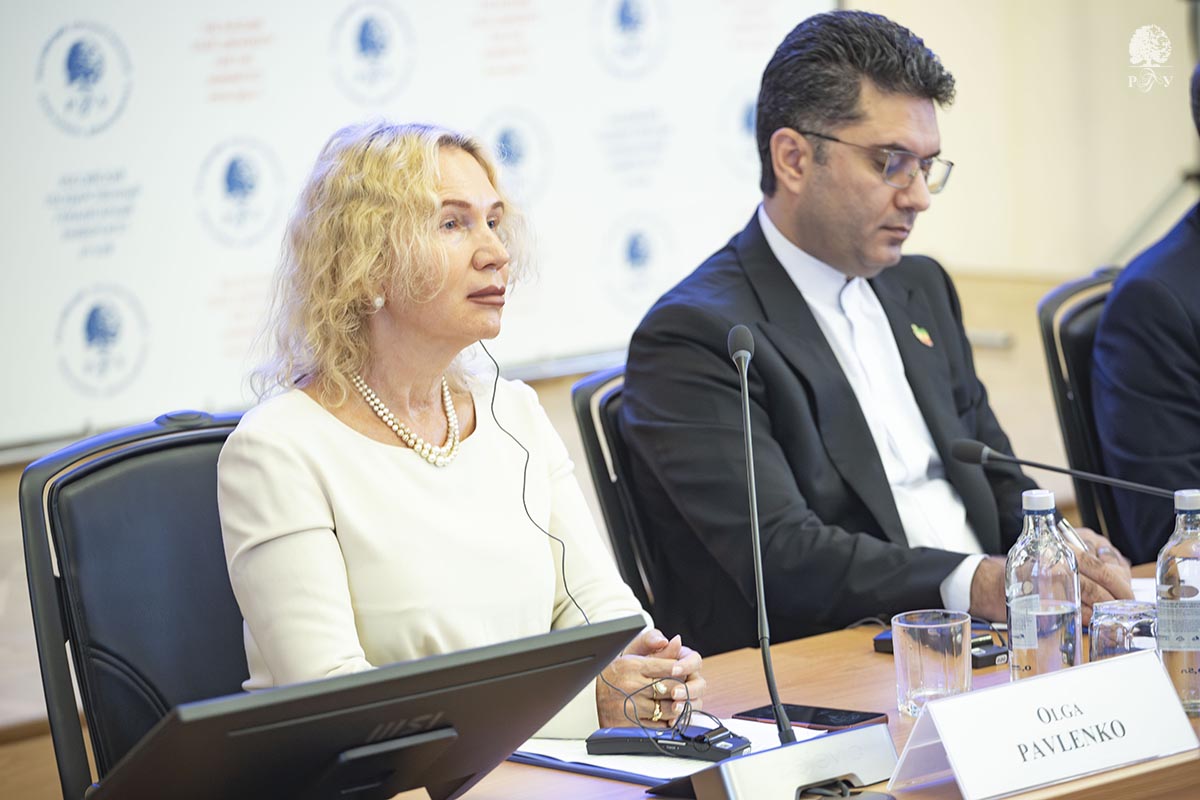
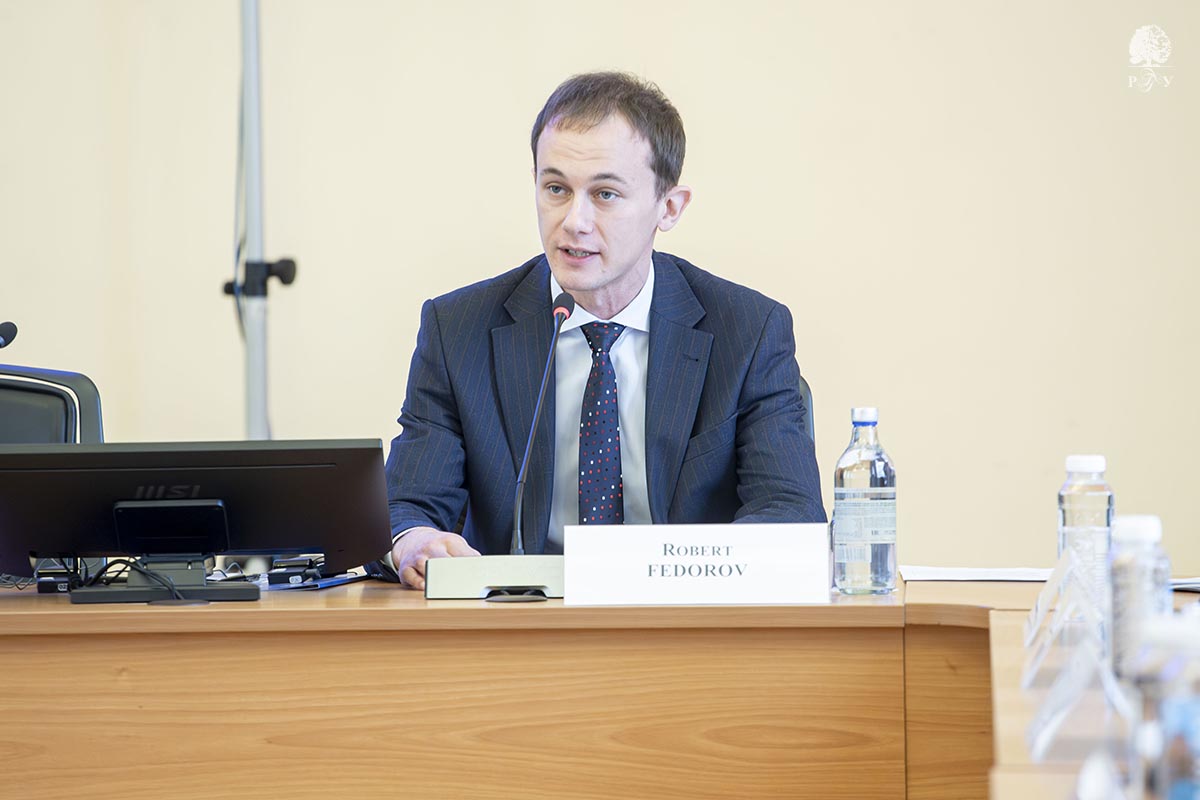
The Forum was also attended by Alexander Chubaryan, Academic Director of the Institute of World History of the Russian Academy of Sciences; Ehsan Ghaboul, Deputy Minister of Science, Technology and Research of the Islamic Republic of Iran; Robert Fedorov, Acting Director of the Department of International Cooperation of the Russian Ministry of Science and Higher Education; Hossein Divsalar, Deputy for the Development of Scientific and Cultural Cooperation at the Islamic Culture and Relations Organization; Olga Pavlenko, RSUH Vice-Rector for Research; Vera Zabotkina, Acting Vice-Rector for International Cooperation at RSUH; and representatives of the Russian and Iranian academic and expert communities.
The Forum was held with the support of the Embassy of the Islamic Republic of Iran in the Russian Federation and brought together representatives of government bodies, the diplomatic community, and scientific and educational institutions from Russia and Iran. Organized at the initiative of the Iranian side, the event served as a platform for developing scientific and cultural cooperation and strengthening humanitarian ties between the two countries.