05.10.2026
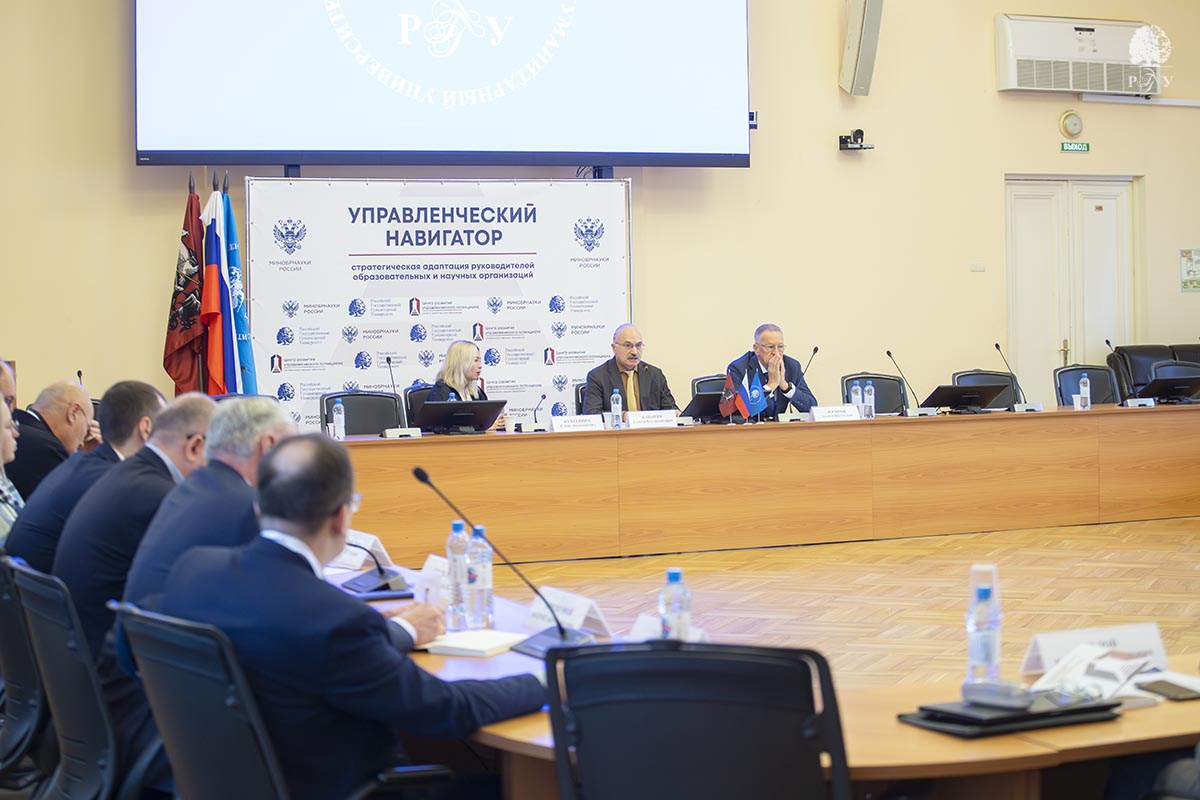
On October 5, the third day of the Management Navigator program at RSUH combined expert discussions on state policy priorities in science and higher education with practical aspects of managing scientific and educational organizations.
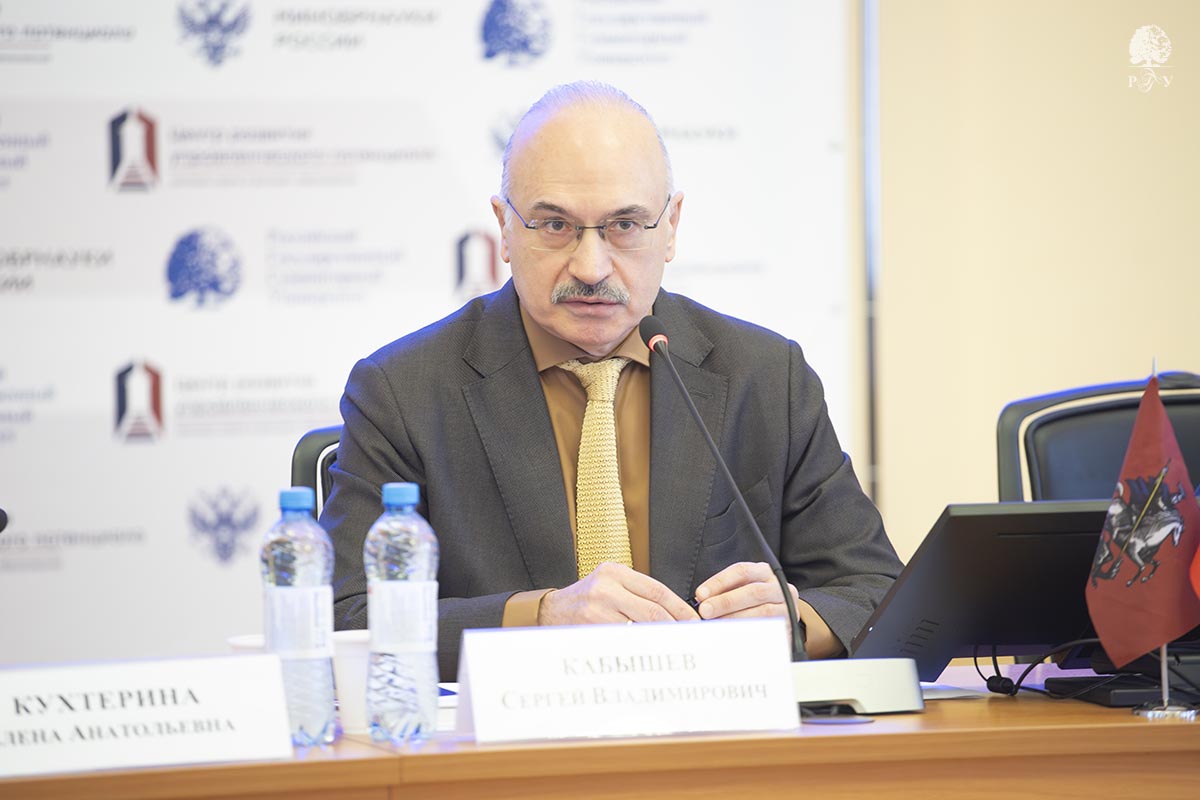
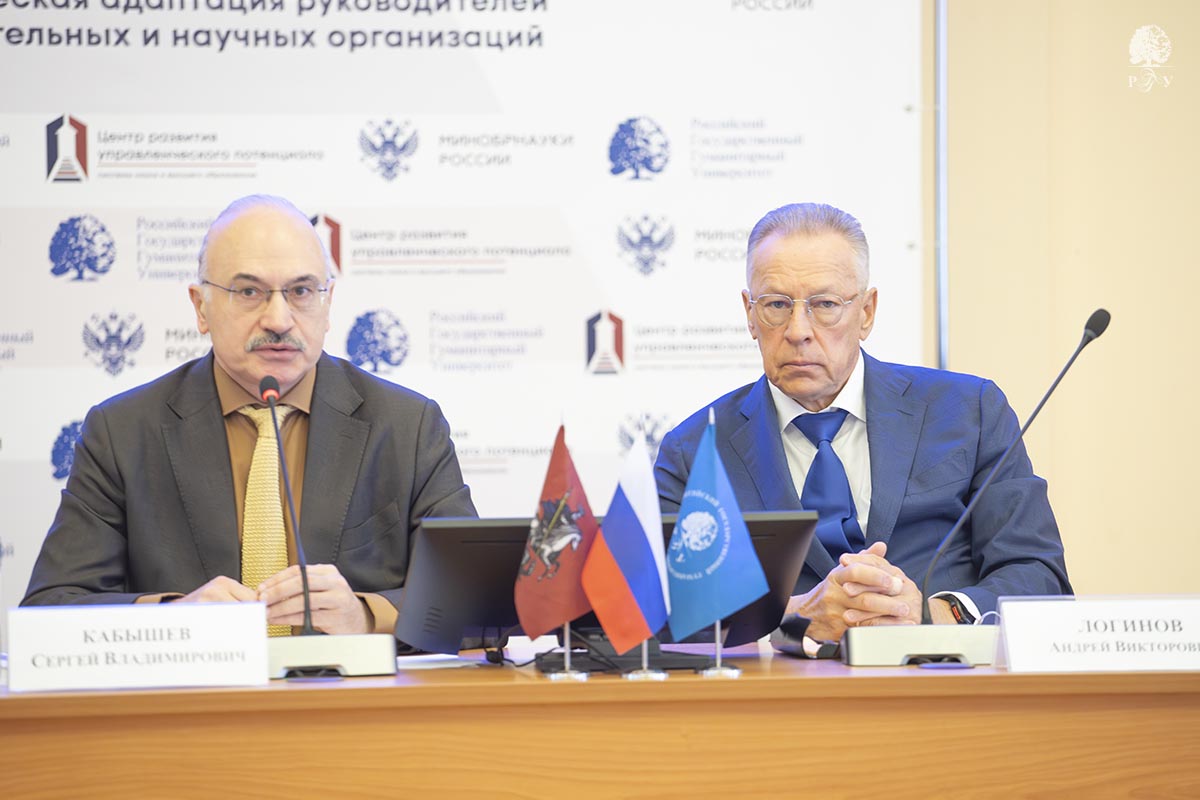
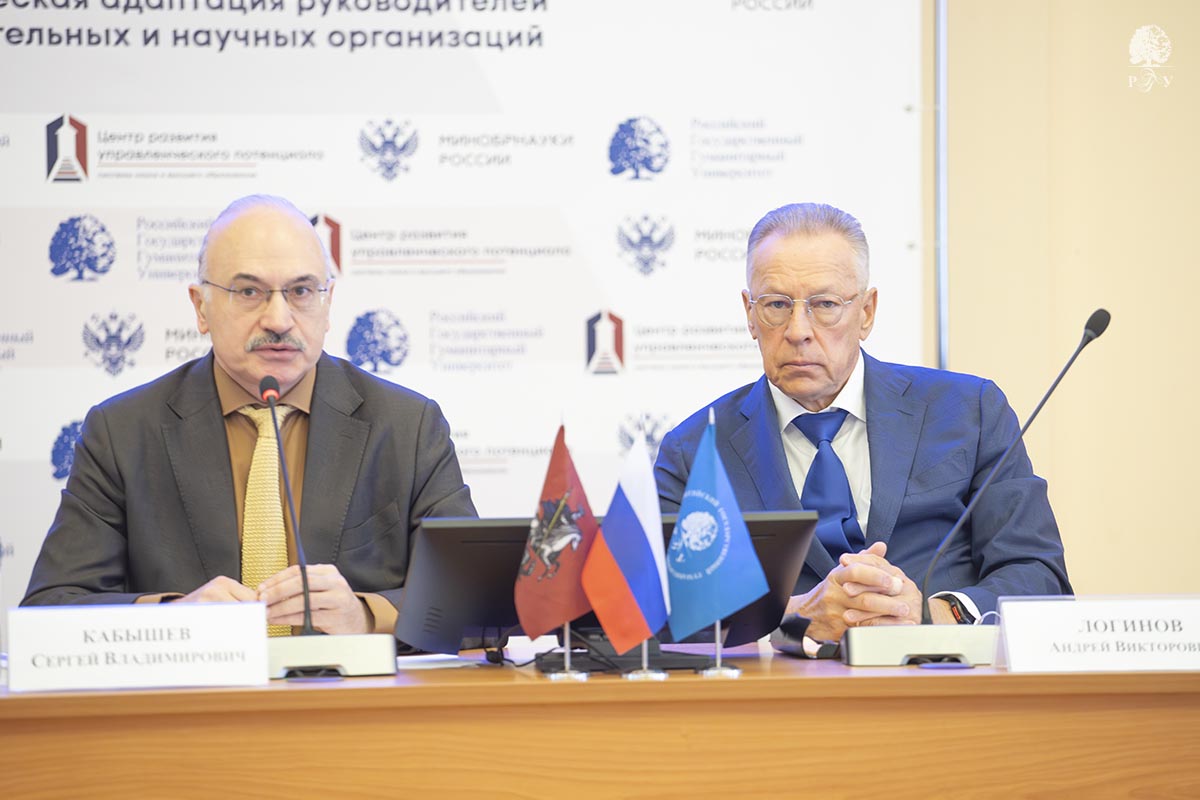
“A university must not be turned into a commercial enterprise. Naturally, it is expected to generate economic returns, and its activities are evaluated according to various performance indicators. However, above all, a university is an institution that develops professional knowledge, ways of thinking, and culture,” emphasized Sergei Kabyshev, Chairman of the State Duma Committee on Science and Higher Education, who opened the day's program with an expert lecture entitled “State Priorities in Science and Higher Education.”
Discussing the quality of higher education, Sergei Kabyshev noted that it cannot be assessed solely in terms of how well graduates meet the current demands of the labor market. Universities must develop students' ability to think independently, analyze events, and make informed decisions, particularly in an environment where professional practices and technologies change much faster than educational programs.
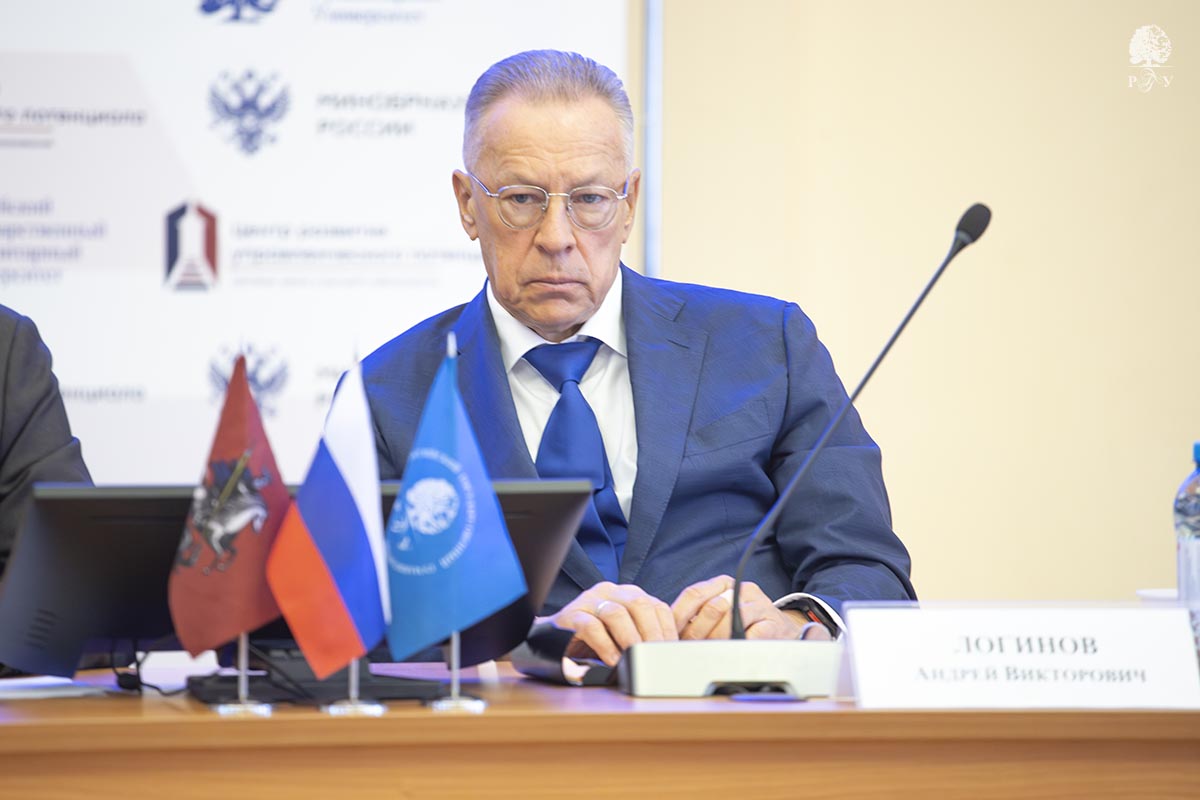
Commenting on Sergei Kabyshev's presentation, RSUH Rector Andrei Loginov drew attention to the humanities dimension of the issues raised:
“Although the word ‘humanities’ was hardly mentioned today, everything Sergei Vladimirovich discussed is directly related to a humanities-based approach to the challenges facing the education system. Even achieving technological leadership requires qualities and competencies that fall entirely within the sphere of humanities knowledge, skills, and practices.”
Following the strategic discussion of the University's mission, participants turned to practical communication tools. Anna Gorchakova, Director of the RSUH Department of Communications, conducted a workshop entitled “The Personal Brand of a Leader: Key Metrics of the Ministry of Science and Higher Education.” The workshop focused on developing a public image and managing the digital profile of an organization's leader, which, in the public and educational sectors, is inseparable from the reputation of the institution they represent.
Addressing the use of artificial intelligence, Anna Gorchakova also outlined the potential of neural networks for analyzing the information environment and the risks associated with uploading official documents and restricted-access data. She emphasized that information about individuals is now collected and summarized not only by traditional search engines but also by AI-powered services.
“In any interaction, even one that involves no conflict, if we receive no feedback, we can only imagine what is happening in our partner's mind. Without feedback, communication has not taken place,” emphasized Larisa Pautova, Managing Director of the Public Opinion Foundation, during her expert lecture entitled “Feedback Trends.”
Considering feedback as a tool for managerial decision-making, Larisa Pautova stressed the need to compare different sources of information, ranging from surveys and individual inquiries to analyses of the information environment. Such an approach makes it possible to understand the attitudes of students, faculty, and staff, monitor changes, and make timely adjustments to management decisions.
The next session focused on the financial aspects of the activities of scientific and educational organizations.
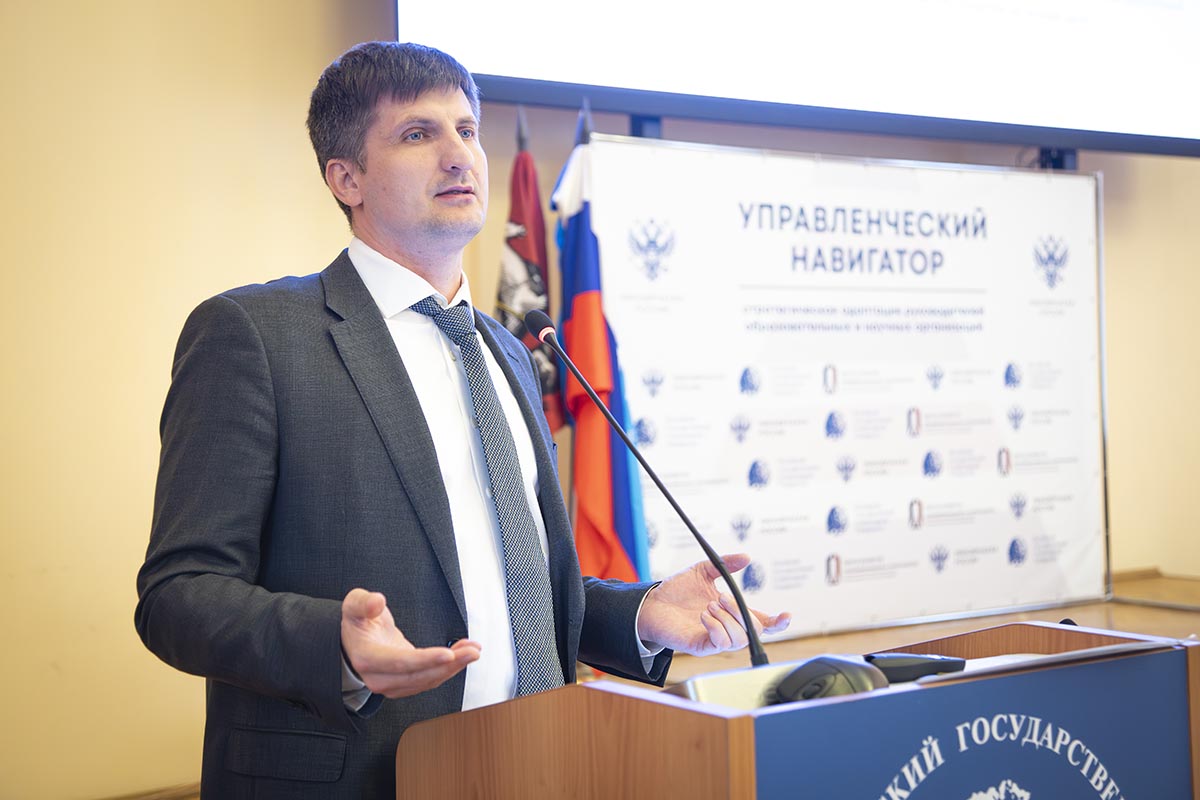
Andrei Nikiforov, Head of the Control and Audit Department for Development Institutions and State Assets at the Federal Treasury, presented the results of comprehensive university audits, focusing on typical risks associated with the use of budgetary and non-budgetary funds.
Anton Shashkin, Director of the Department of State Policy in Scientific and Technological Development, discussed improvements in the Ministry's cooperation with subordinate organizations, concentrating on mechanisms for putting research findings into practice.
The substantive program of the third day concluded with a group project session entitled “Solutions Workshop,” led by project track supervisor Viktor Burtny.
Afterward, participants reviewed the day's results in a group reflection session.