06.10.2026
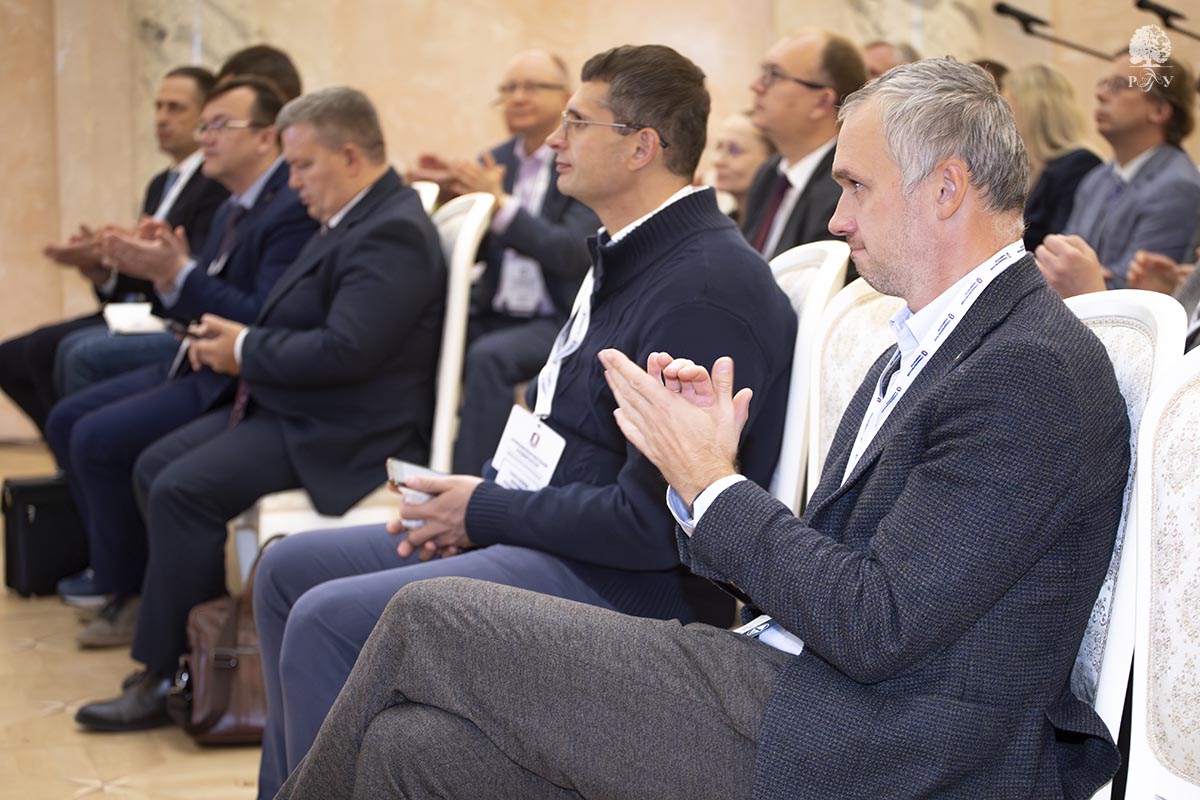
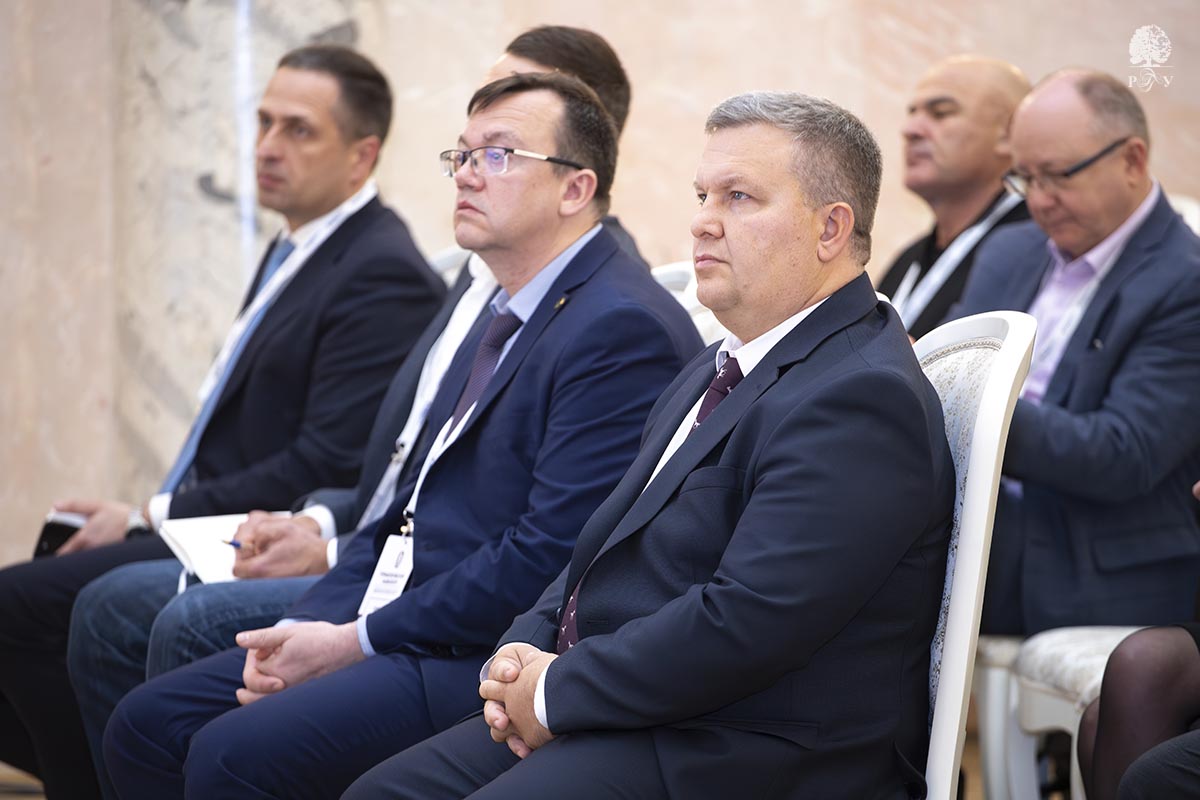
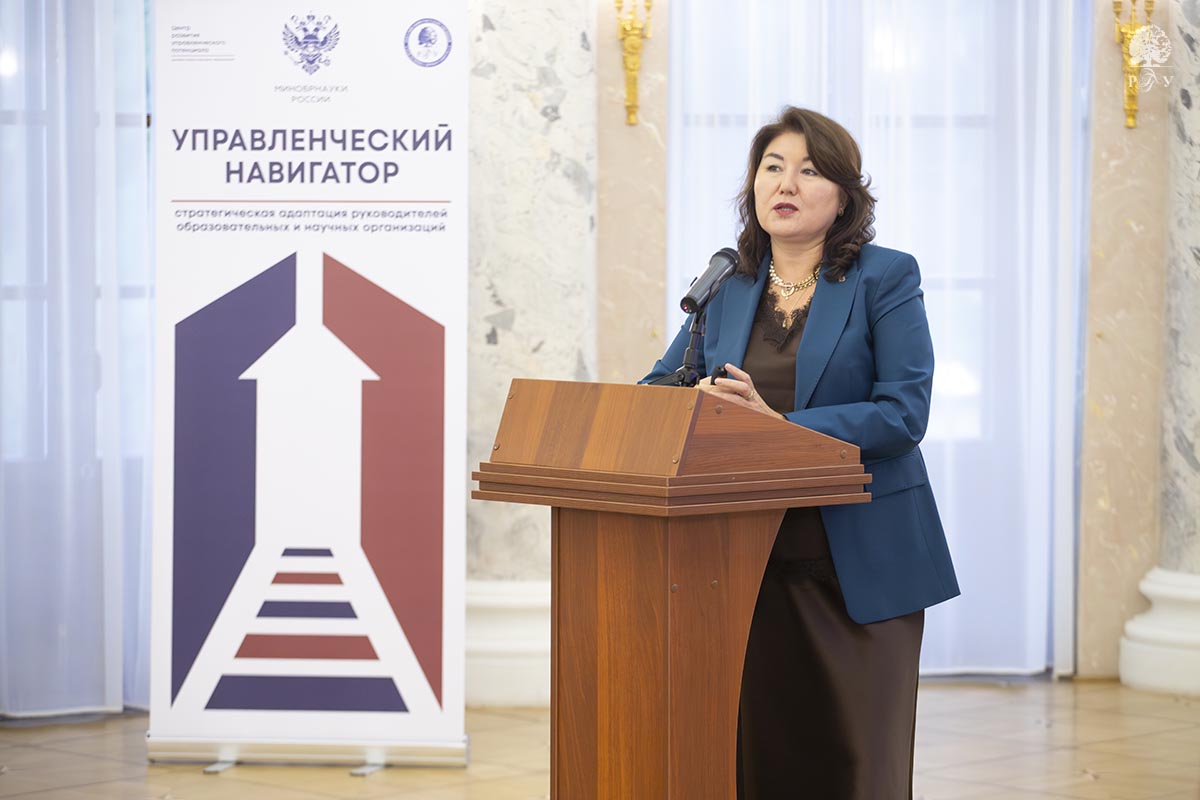
On October 6, the first in-person module of the Management Navigator program, implemented by RSUH and designed to support the strategic adaptation of leaders of academic and educational organizations, concluded at the Ostafyevo State Museum-Estate, also known as the Russian Parnassus.
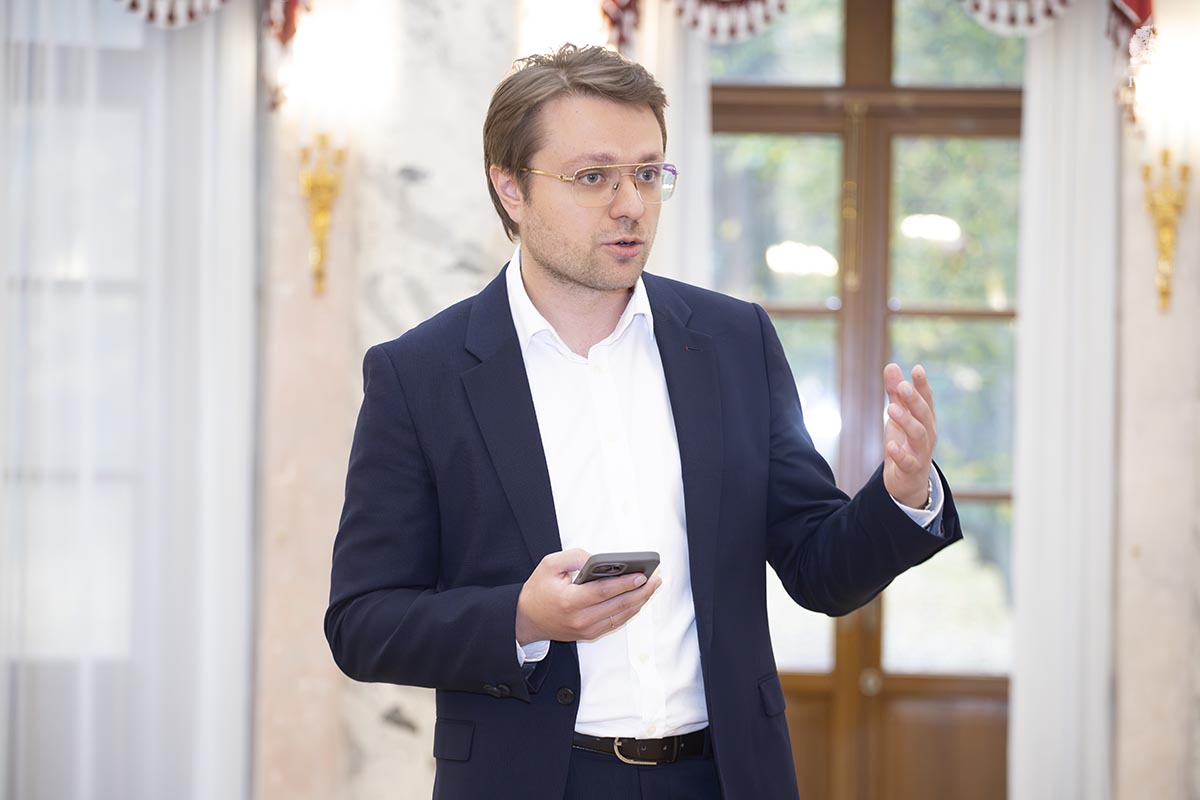
Andrei Loskutov, Director of the Ostafyevo State Museum-Estate, welcomed the participants, emphasizing the estate's special significance as a place that preserves Russia's historical, cultural, and literary traditions.
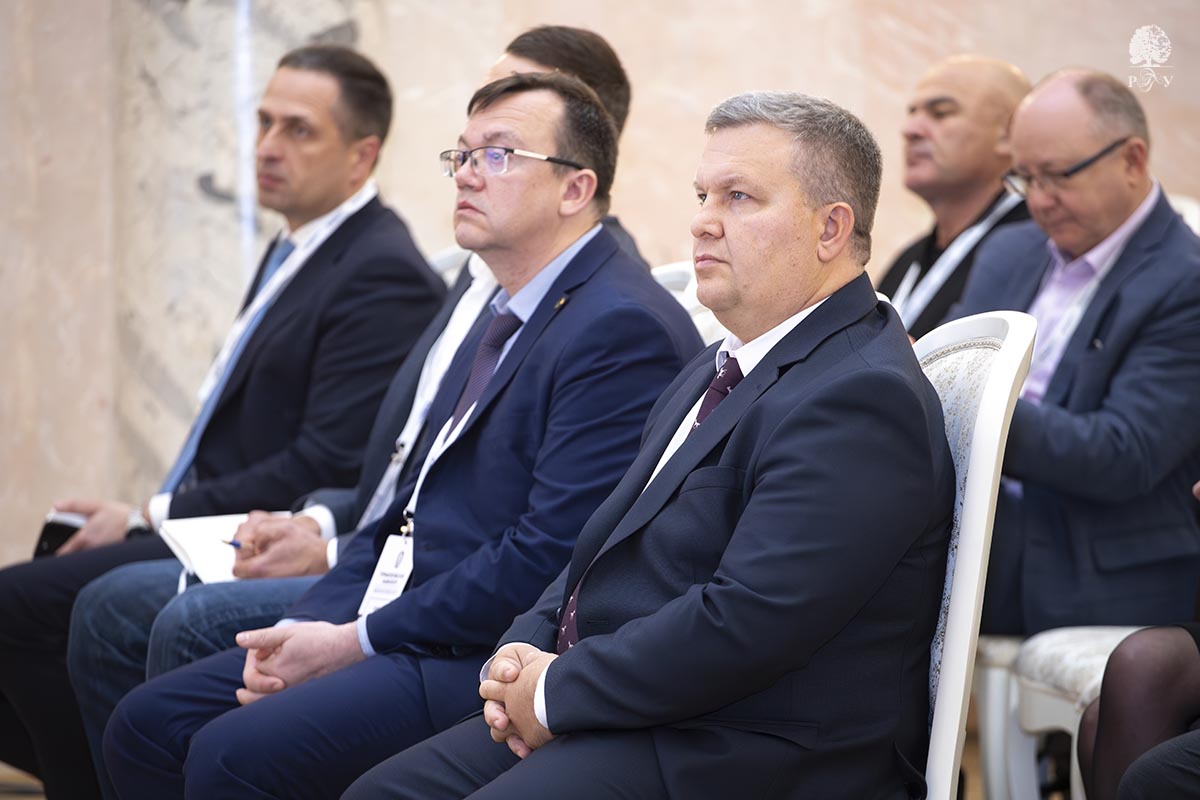
Andrei Bezrukov of MGIMO paid particular attention to technological changes capable of transforming not only the economy but also the social structure of society, the emergence of new centers of economic growth, and the need for Russia to develop its own model of long-term, high-tech development.
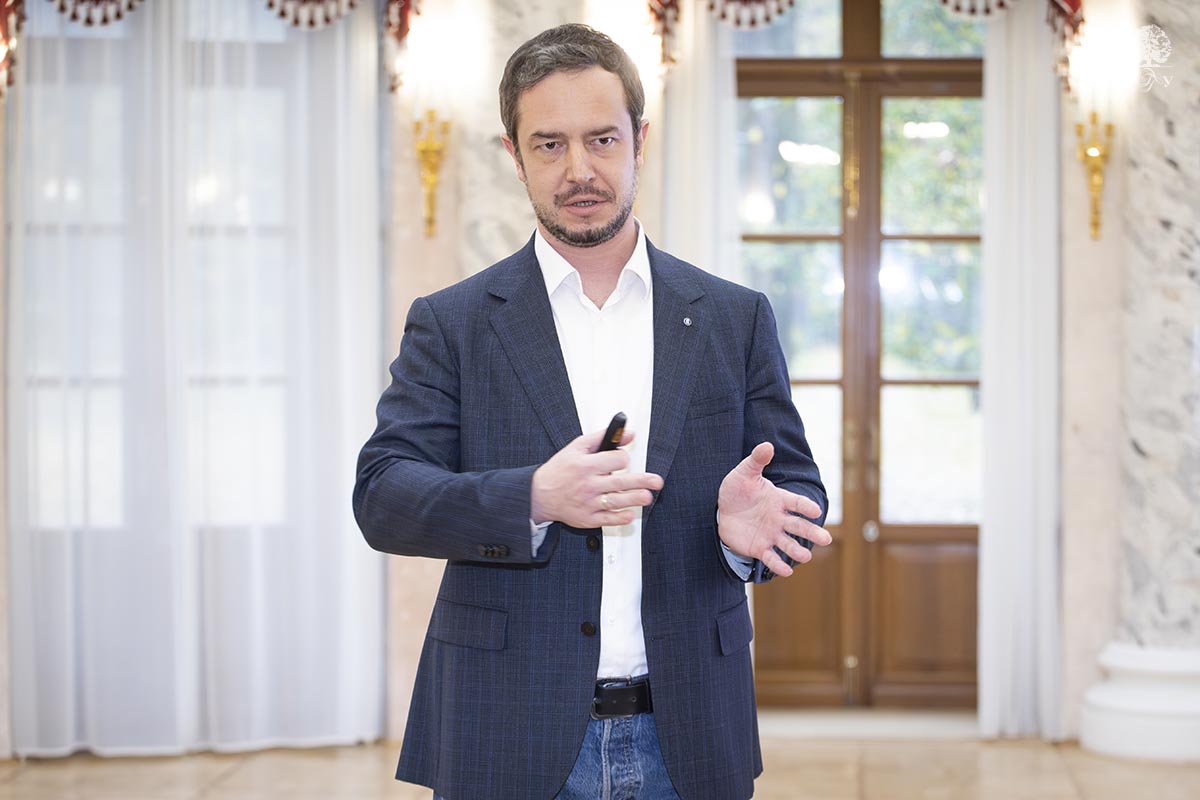
The theme of continuity was further explored by Dmitry Zemtsov, Vice-Rector of the HSE University, and Danil Putiltsev, a representative of the Portrait of a Generation Center for Sociocultural Design. They delivered a lecture and conducted an interactive session entitled “The Concept of Social Inheritance: Ensuring the Continuity of Tradition in Priority Areas of State Policy.” The discussion focused on youth policy, viewed not as a collection of individual events but as a system for integrating young people into professional and social environments where accumulated knowledge, norms, values, and behavioral models are passed on.
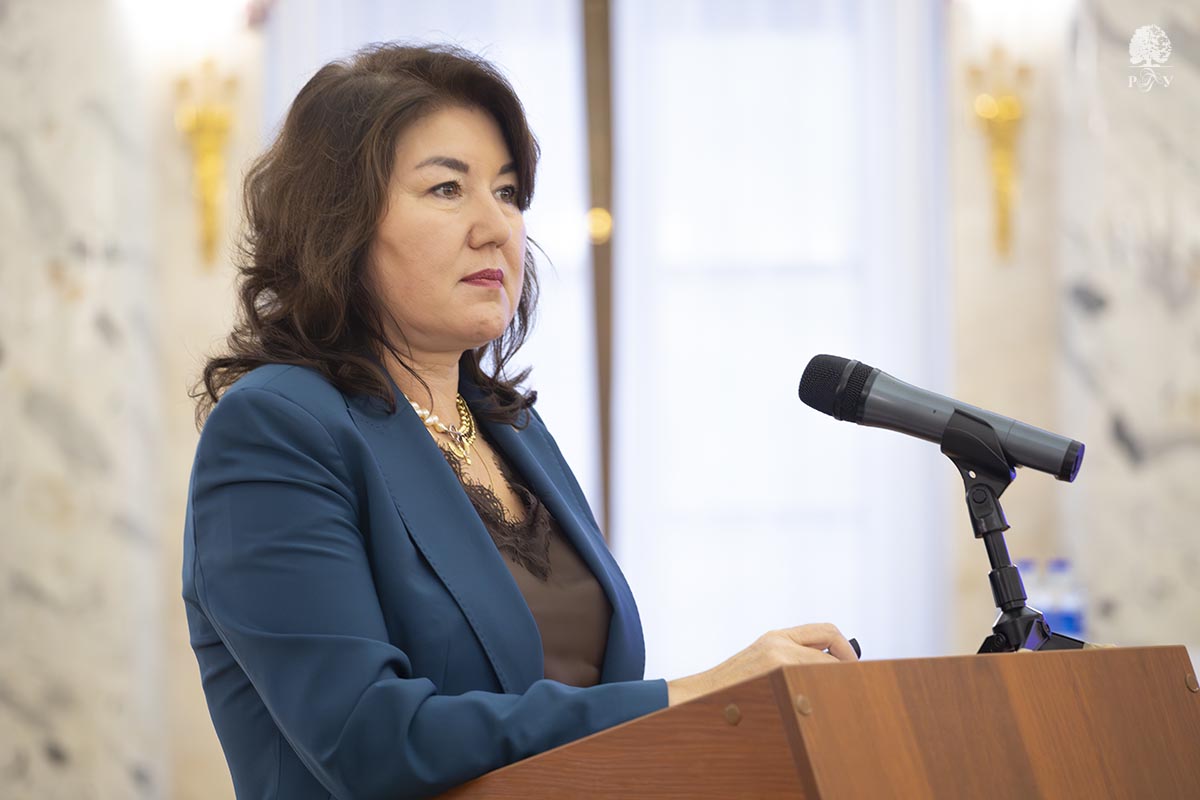
Developing this concept in relation to professional communities, Dmitry Zemtsov proposed viewing a young person's development much more broadly than their educational trajectory, since obtaining a diploma does not in itself guarantee full integration into a profession. Albina Bikbulatova presented opportunities for cooperation between universities and the Russian Znanie Society, describing projects and formats for joint activities involving universities, research organizations, and businesses.
The practical outcome of the four-day program was a preliminary project presentation for the first module, held as part of the “Solutions Workshop” led by Viktor Burtny, who heads the program's project track. Participants had engaged in group project work throughout the module. The final meeting therefore provided an opportunity to consolidate the results of the preceding days, compare the proposed initiatives with the approaches presented by experts, and identify areas for further development of projects to be continued during subsequent stages of the Management Navigator program.
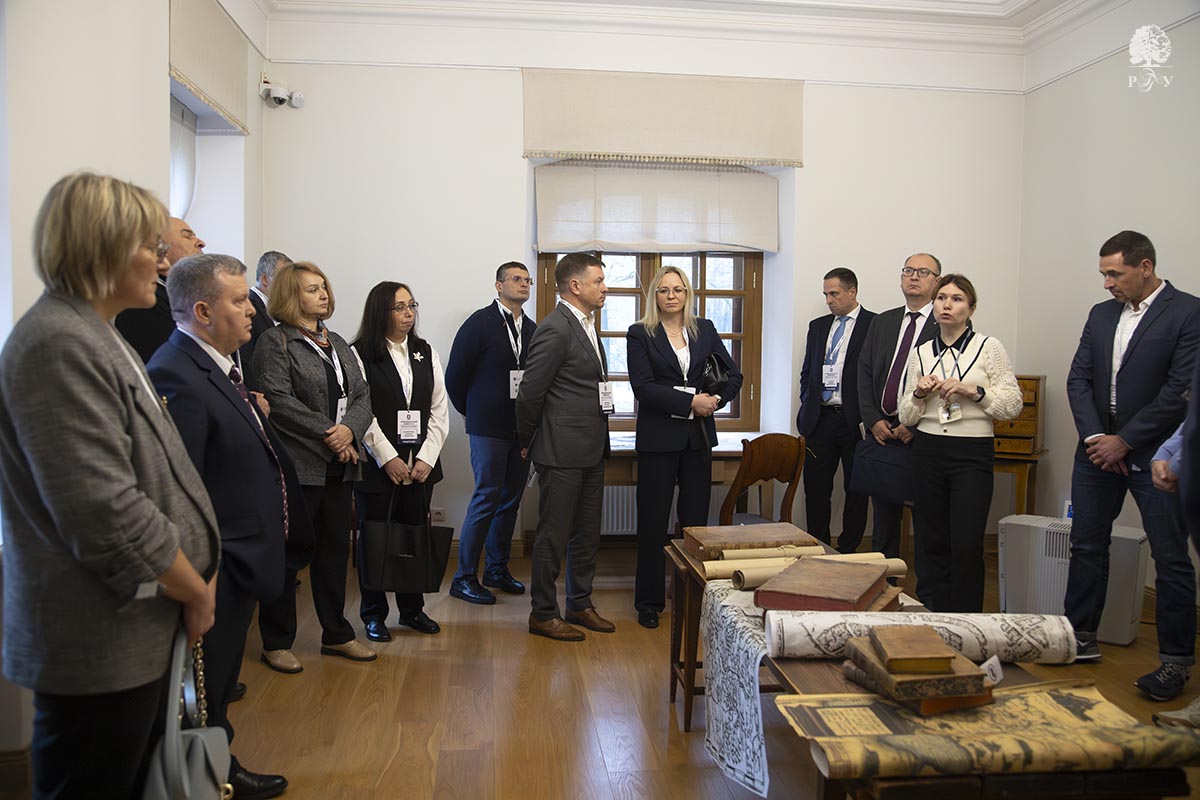
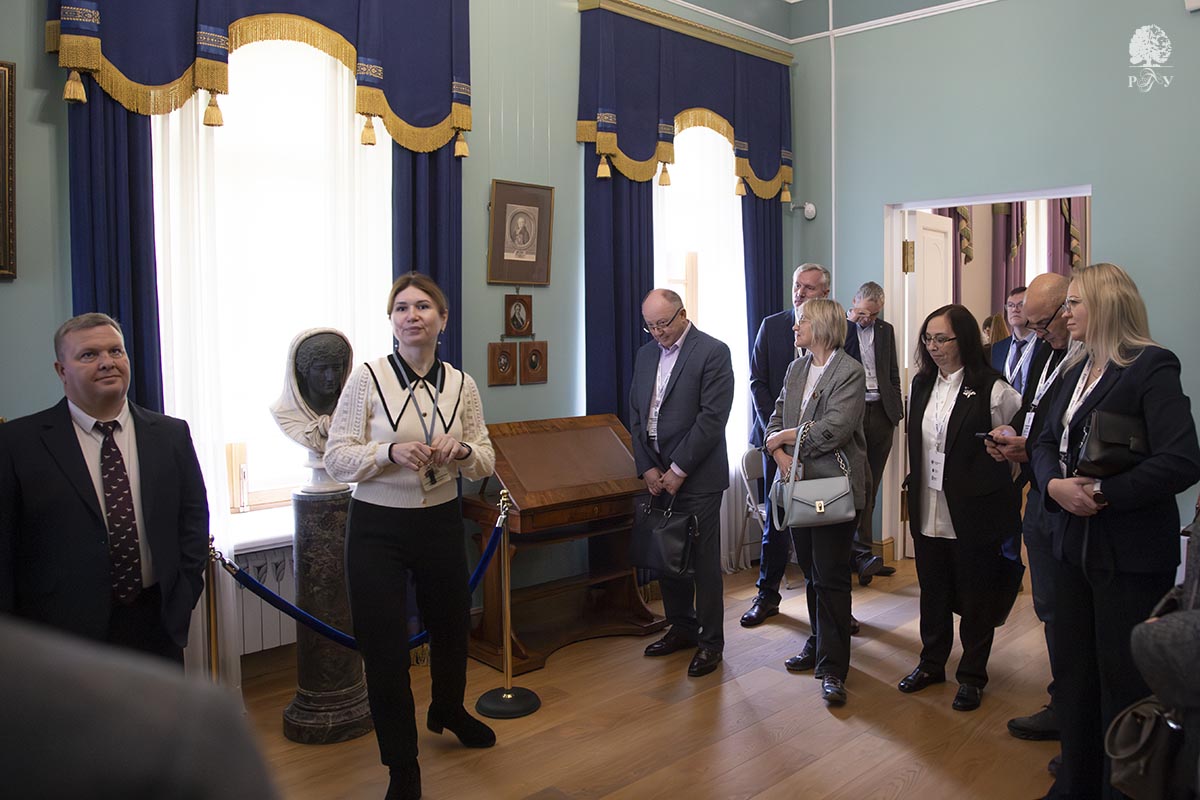
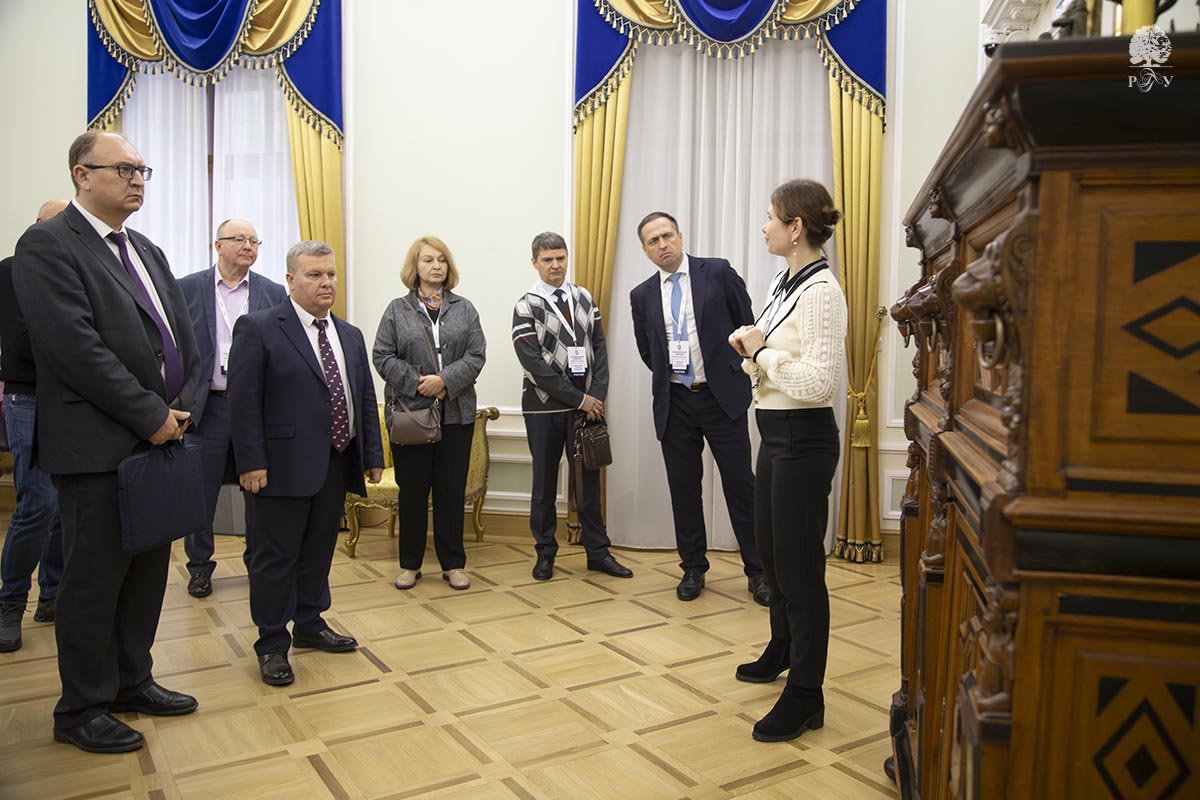
The cultural program on the final day included a guided tour of the Ostafyevo State Museum-Estate, the Russian Parnassus, introducing participants to the estate's history and associated literary heritage.
The academic portion of the program concluded with a group reflection session, during which participants reviewed the results of the first in-person module and discussed opportunities for applying the approaches presented in their own organizations.
As a reminder, the first in-person module, “Strategies and Meanings,” of the professional retraining program “Strategic Adaptation of Leaders of Educational and Scientific Organizations: Management Navigator,” took place in Moscow from October 3 to 6.
The program was organized by Russian State University for the Humanities and the Ministry of Science and Higher Education of the Russian Federation.