22.10.2026
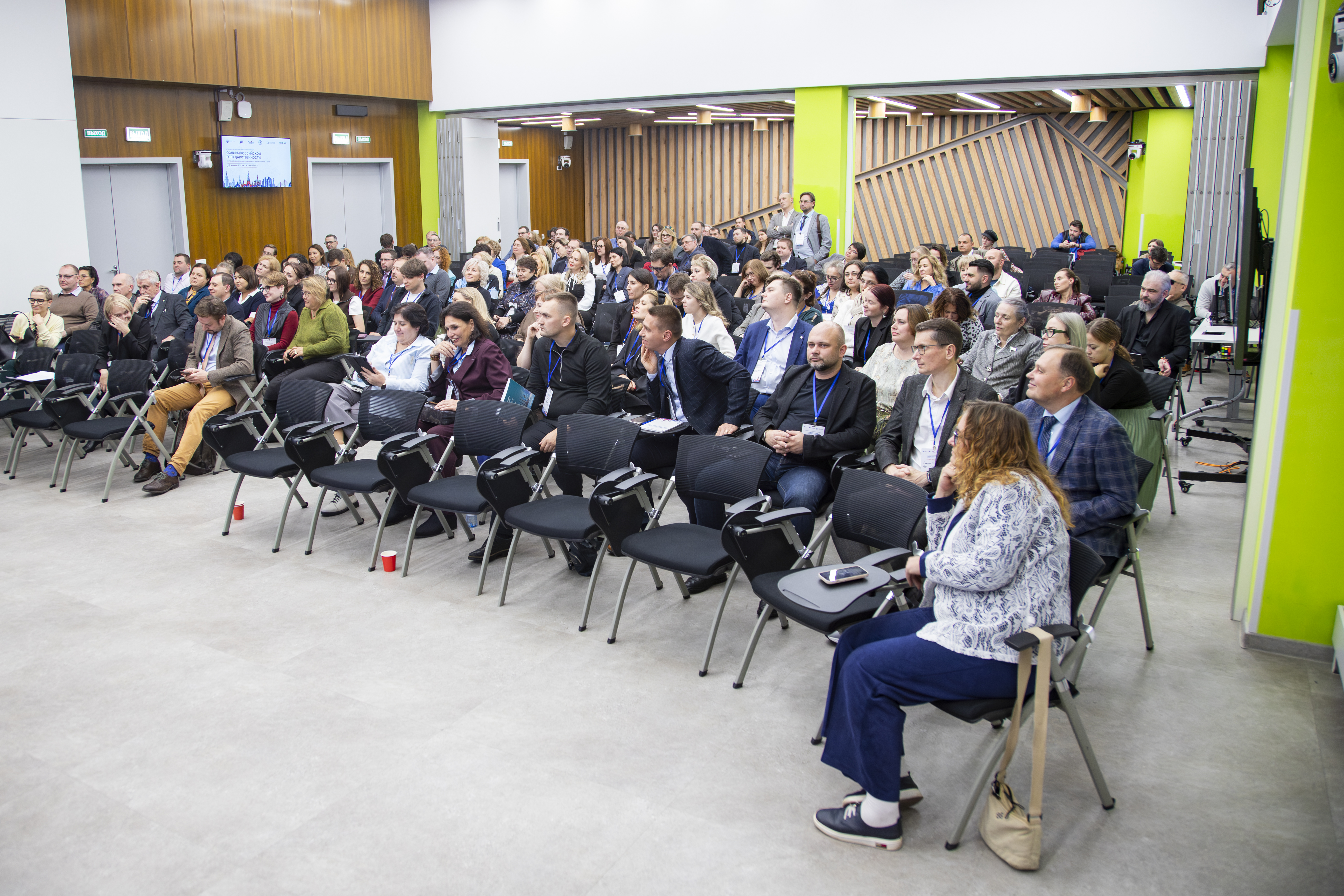
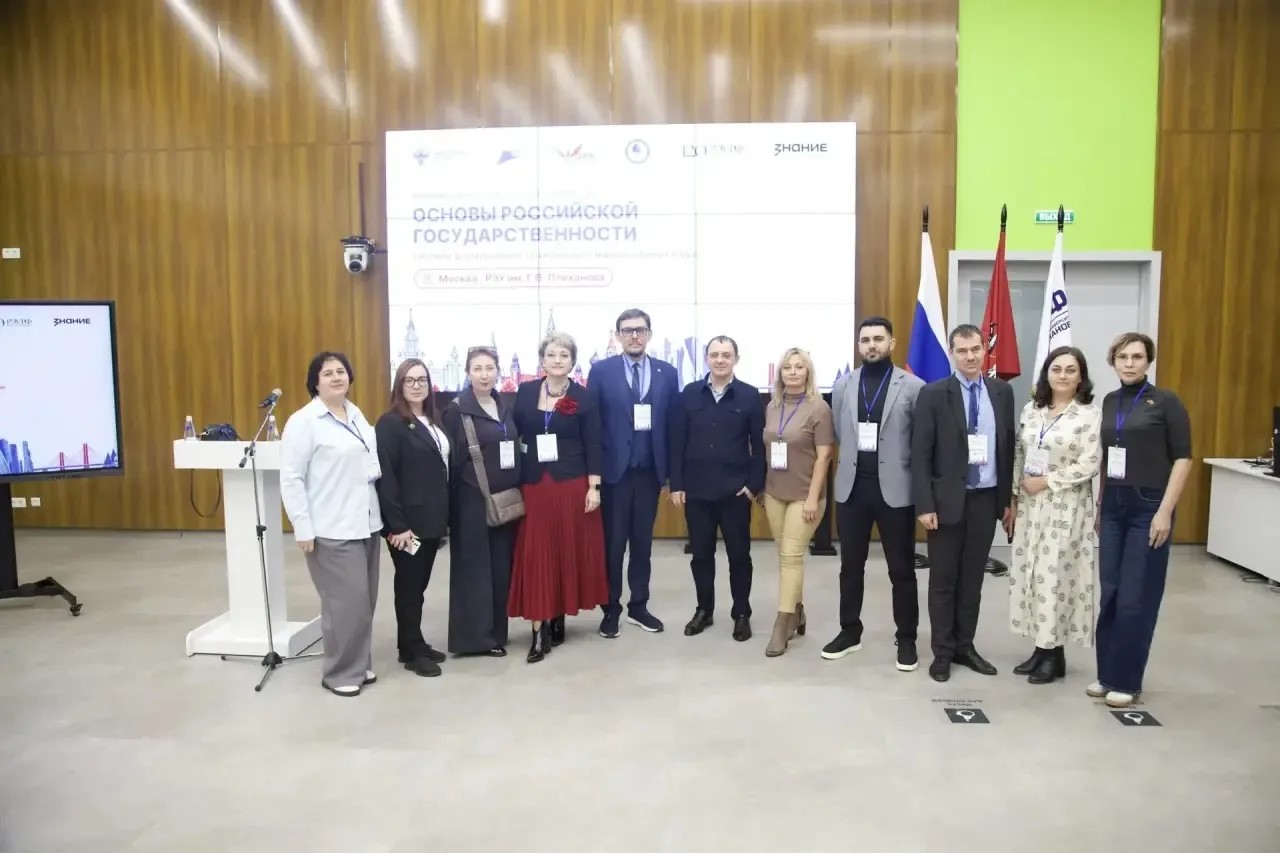
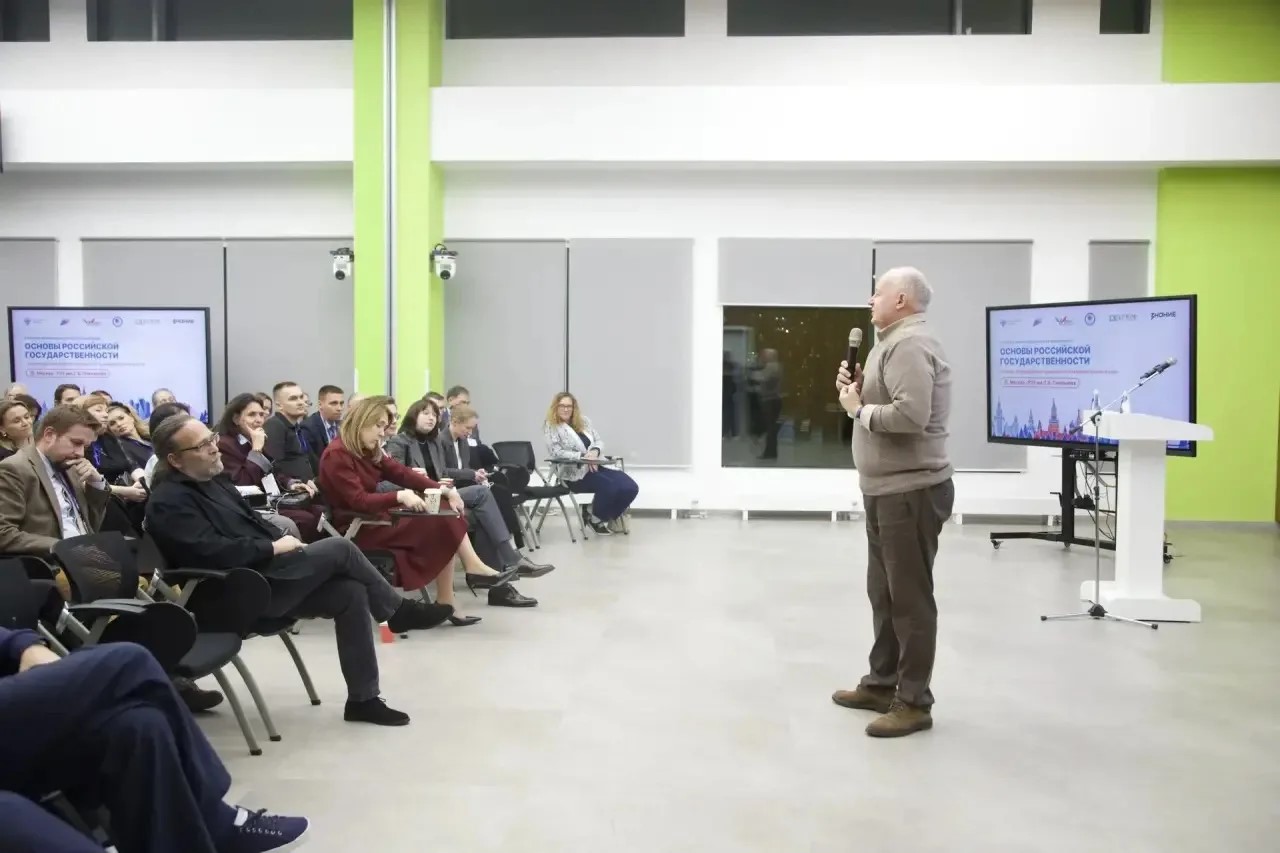
On October 21, Russian State University for the Humanities concluded the Conference “Foundations of Russian Statehood: A System for Shaping Civic Worldview in Higher Education,” organized as part of the “DNA of Russia” project. The second day was dedicated to improving textbooks, teaching methods, and the development of social sciences and humanities education.
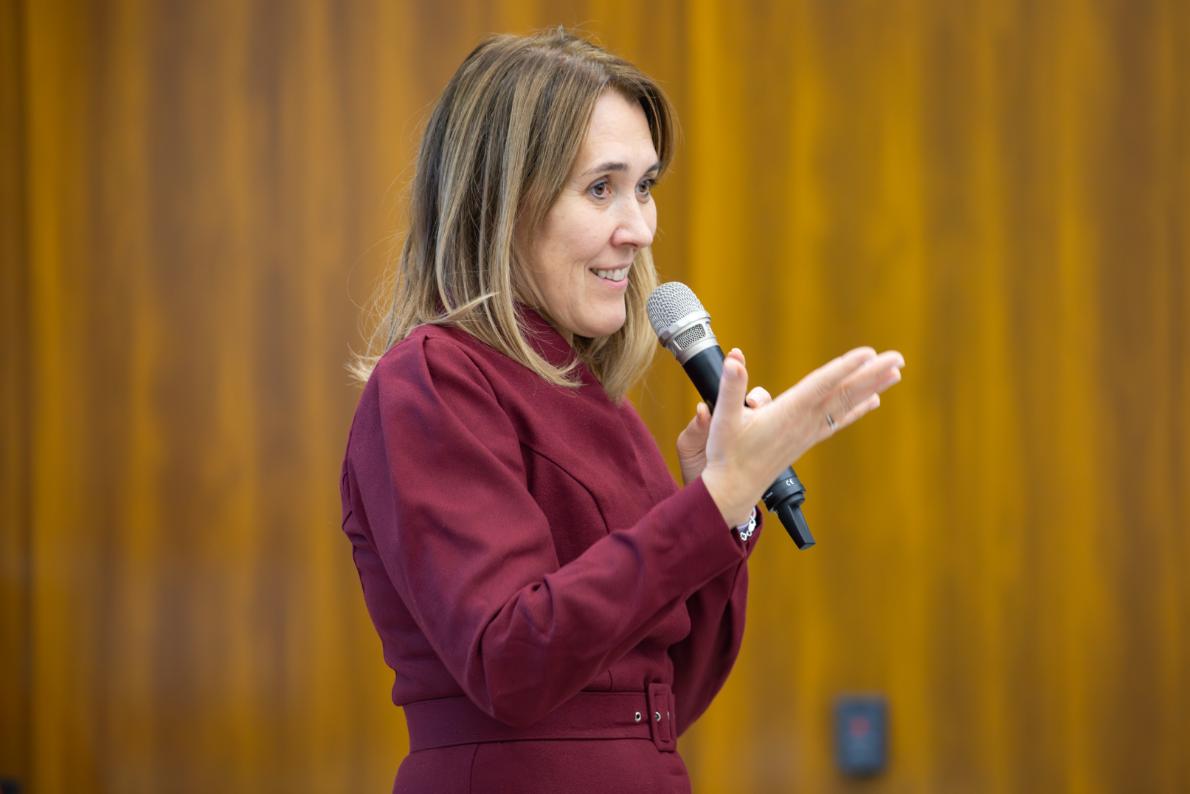
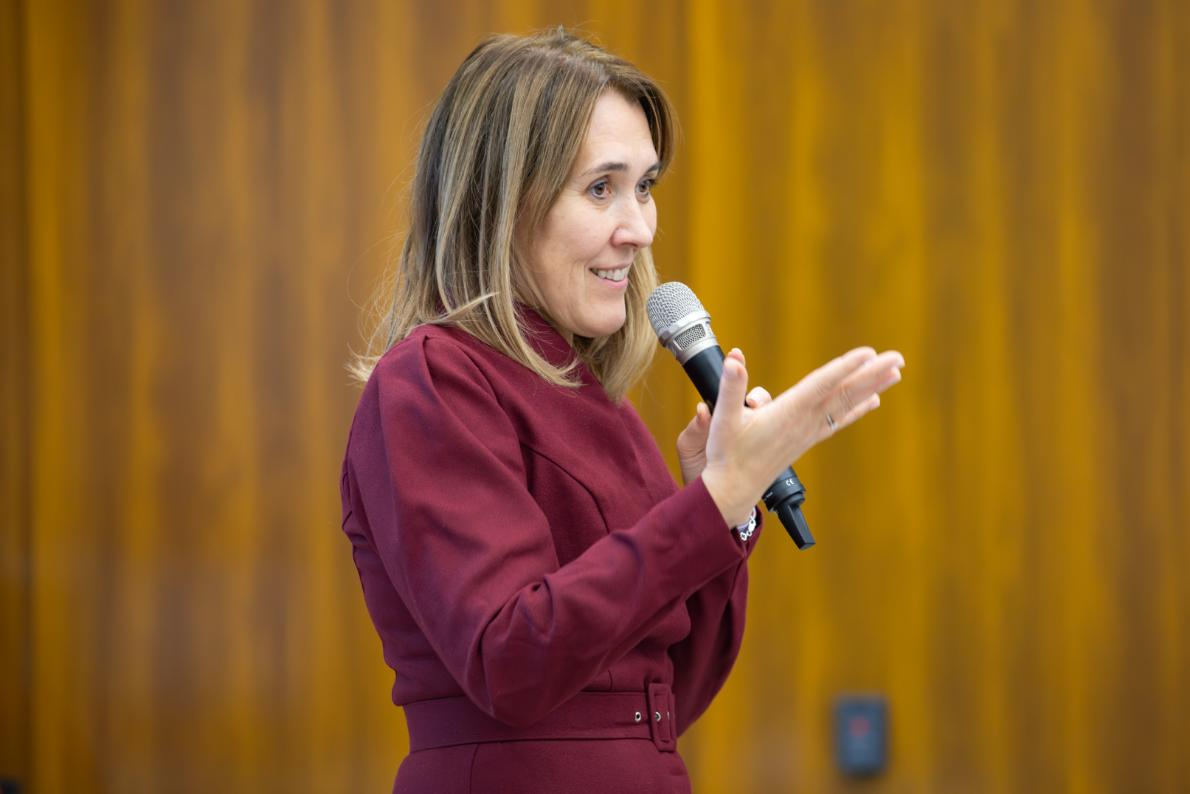
“Today, we are laying a new foundation that will serve as the basis for the development of scientific knowledge, higher education, and the entire system of Russian statehood,” emphasized Olga Petrova, Deputy Minister of Science and Higher Education of the Russian Federation, summarizing the two-day event.
She thanked the participants for their substantive discussions and willingness to critically examine the presented developments, noting the importance of joint efforts by the academic and teaching communities in advancing social sciences and humanities education.
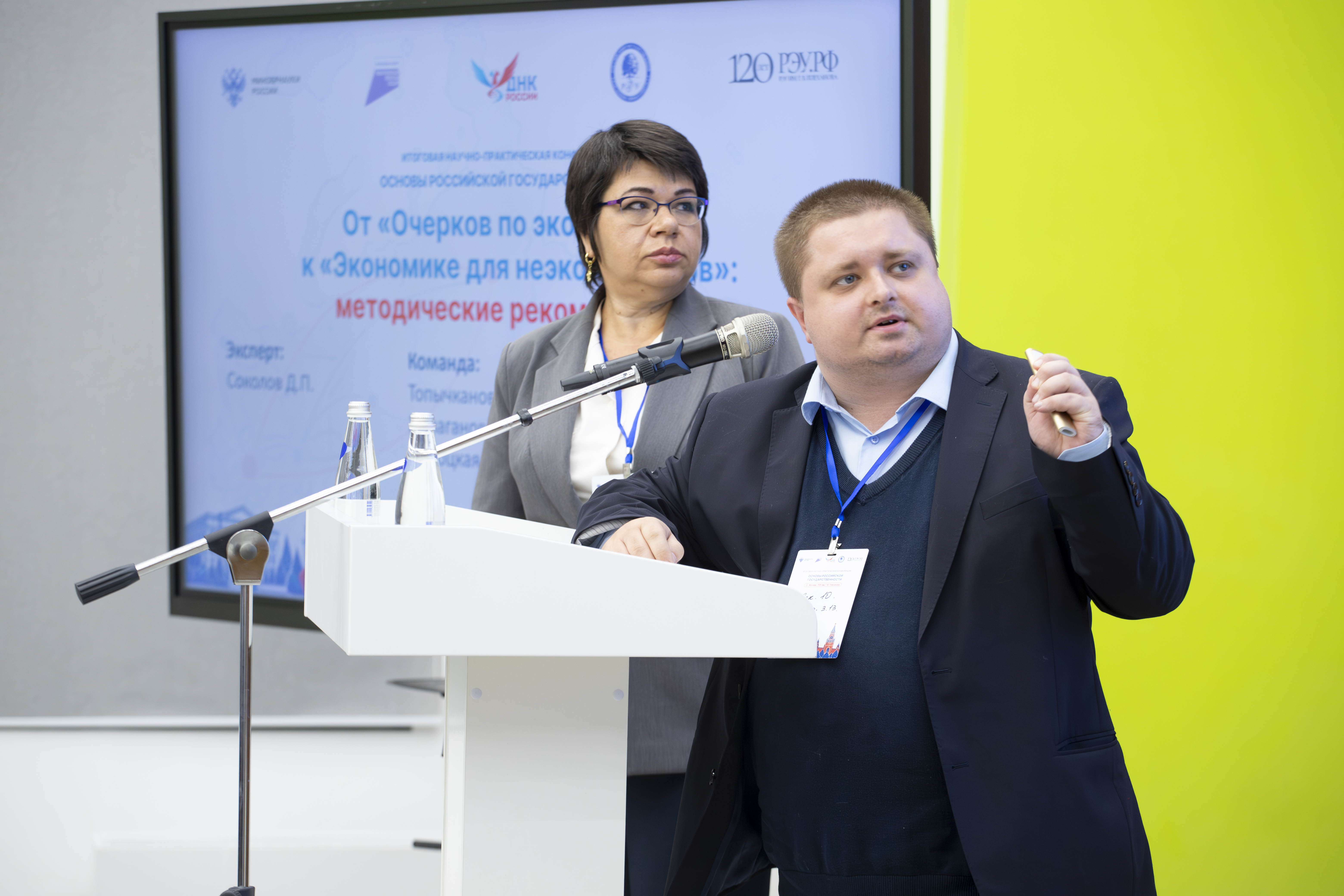
The second day of the Conference featured presentations of the results of the thematic sessions, during which participants put forward proposals for improving nine new textbooks developed under the “DNA of Russia” project. These publications cover topics including individual and societal culture, government structure, cultural policy, creative industries, the modern economy, and other areas of social sciences and humanities. Invited experts and university lecturers jointly explored opportunities to expand the historical and cultural content of the textbooks, clarify academic concepts, and introduce practice-oriented learning formats aimed at developing critical thinking and shaping students’ civic worldview.
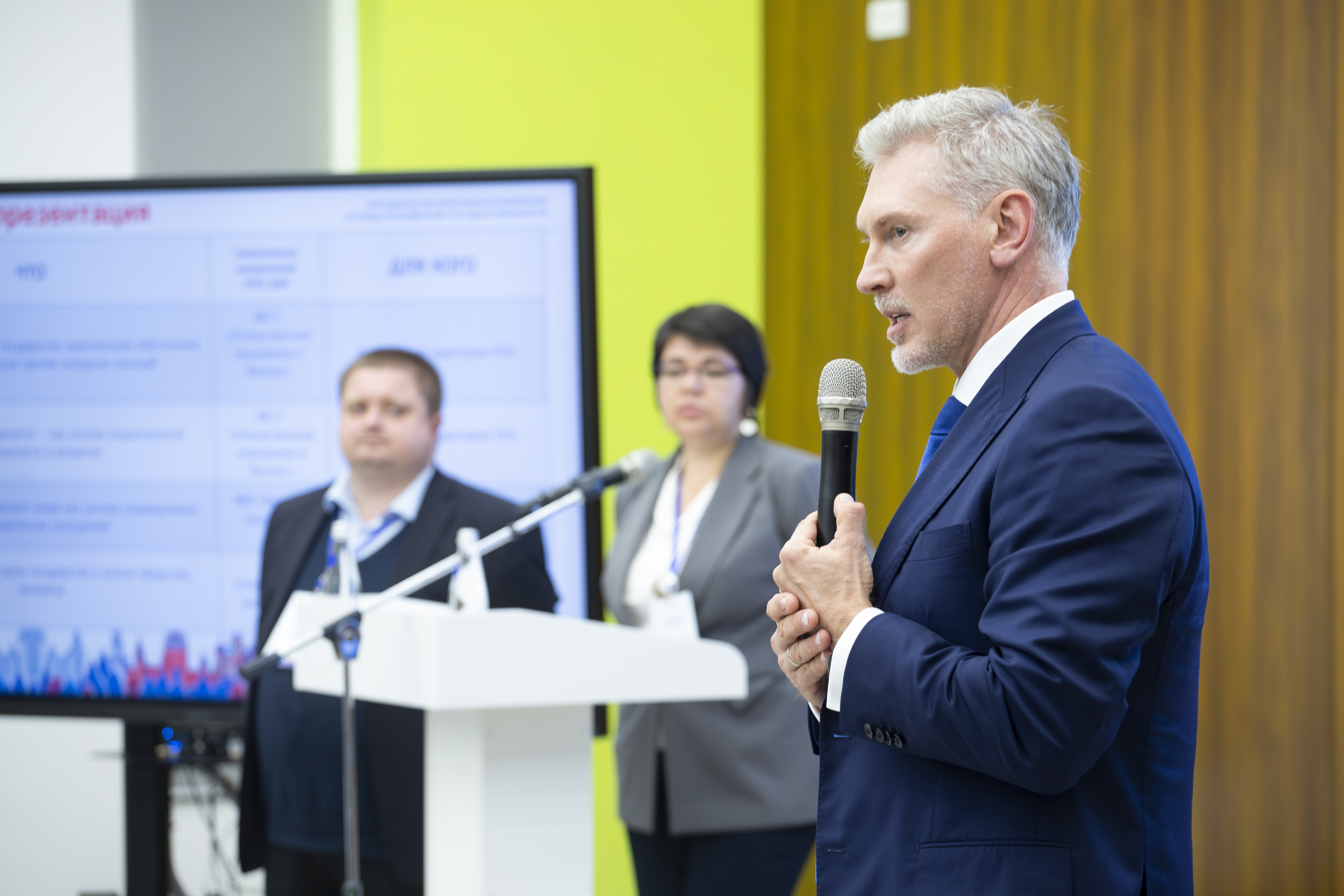
One of the central issues discussed was the relationship between fundamental knowledge, value orientations, and practical experience, through which theoretical principles acquire personal meaning. Eduard Galazhinsky, Rector of Tomsk State University, proposed considering humanities education in the context of rapid technological changes affecting perceptions of human beings, their professional responsibilities, and the consequences of their decisions. Grigory Kuranov, Deputy Plenipotentiary Representative of the President of the Russian Federation in the Far Eastern Federal District, examined this process in a broader social context, drawing attention to the need for a coordinated information and educational environment bringing together families, educational institutions, and other institutions of socialization.
However, implementing these principles depends not only on the content of educational materials but also on the ways in which they are used. Andrei Efremov, Vice-Rector for Government Assignments at RSUH, focused on this aspect, emphasizing the need to distinguish between the academic content of textbooks and the methodology used to teach them.
The question of which academic foundations should determine the content of new educational materials was further addressed by Vladimir Nechaev, Rector of Sevastopol State University, who highlighted the civilizational and activity-based approaches to studying social processes. Andrei Siling, Deputy Director General of the Agency for Strategic Initiatives for the Promotion of New Projects and Executive Director of the Autonomous Non-Profit Organization “National Technology Initiative Platform,” emphasized the need to reconsider established research and management models in a rapidly changing world.
The discussion of the presented developments became an important part of summarizing the year’s work on the “DNA of Russia” project, during which representatives of various academic fields joined forces to prepare new educational materials. Andrei Polosin, Vice-Rector of the Russian Presidential Academy of National Economy and Public Administration (RANEPA) and Academic Director of the project, emphasized that evaluating the results achieved should not replace substantive discussion of issues that still require solutions.
The final stage of the conference was a plenary session at which representatives of the working groups summarized the discussions and presented proposals for further improving the textbooks.