10.12.2025
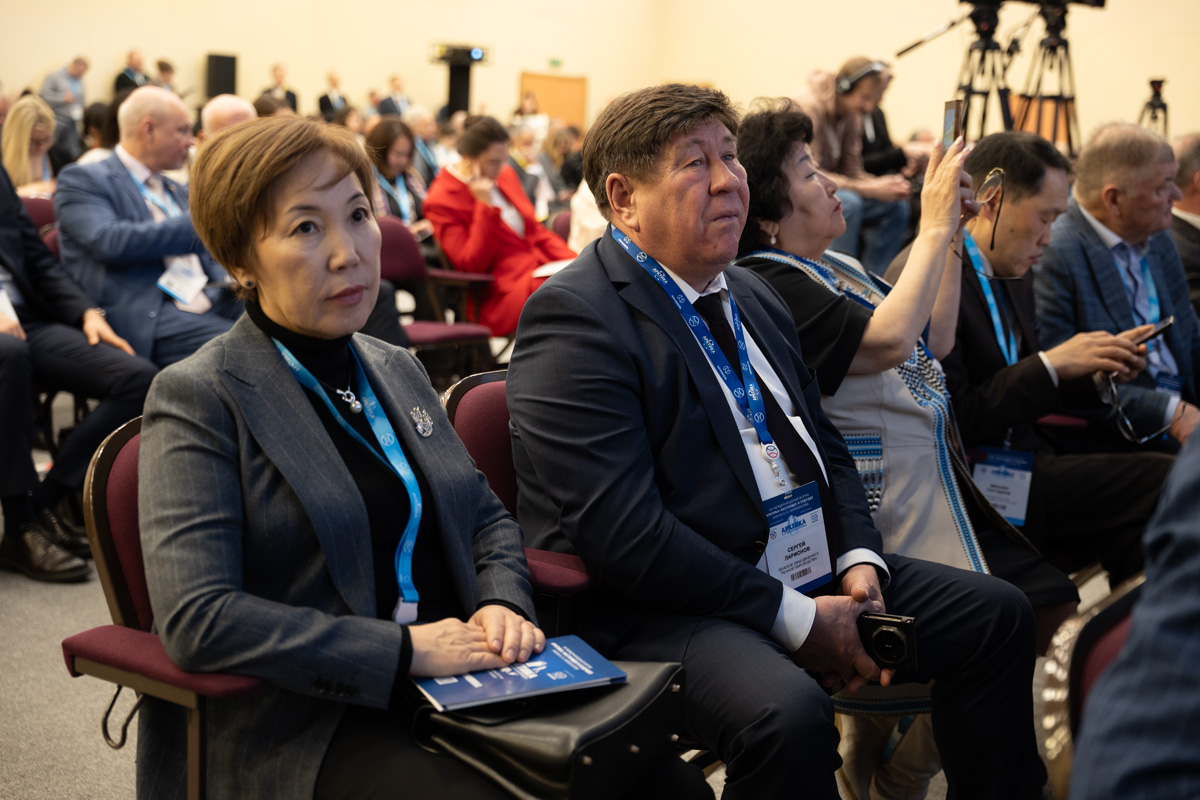
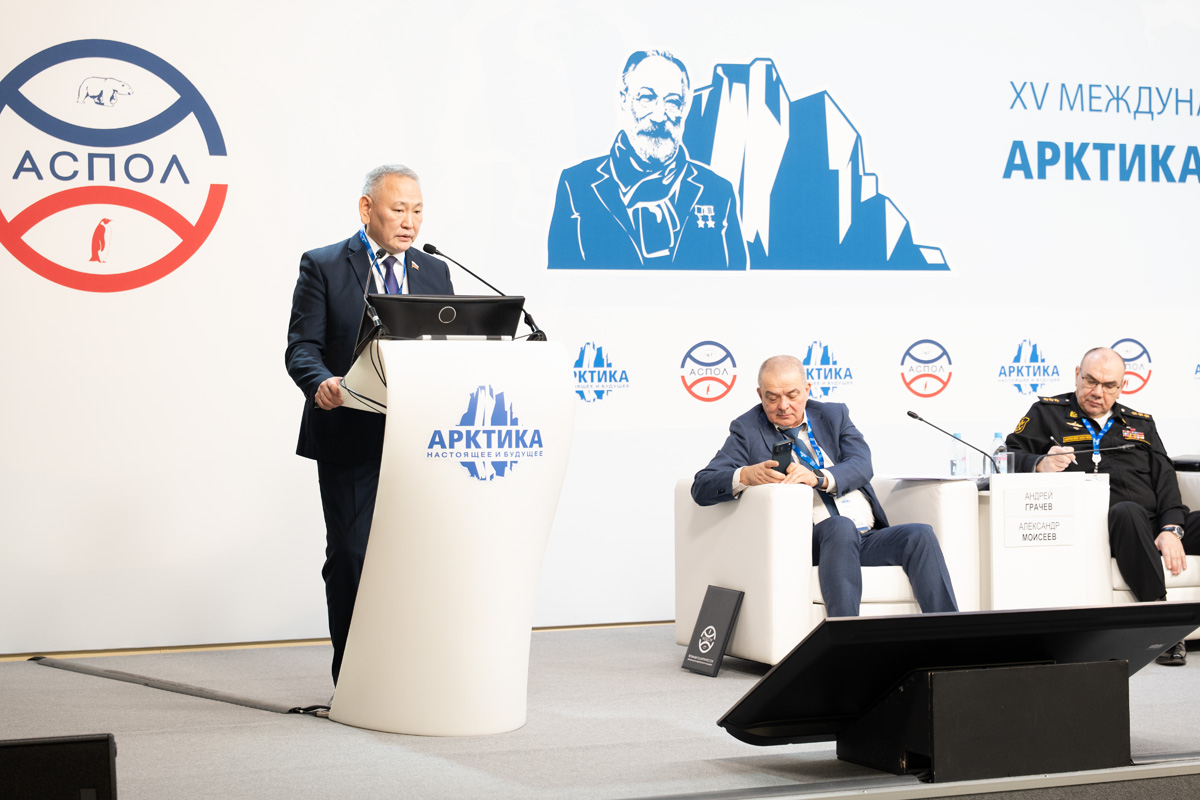
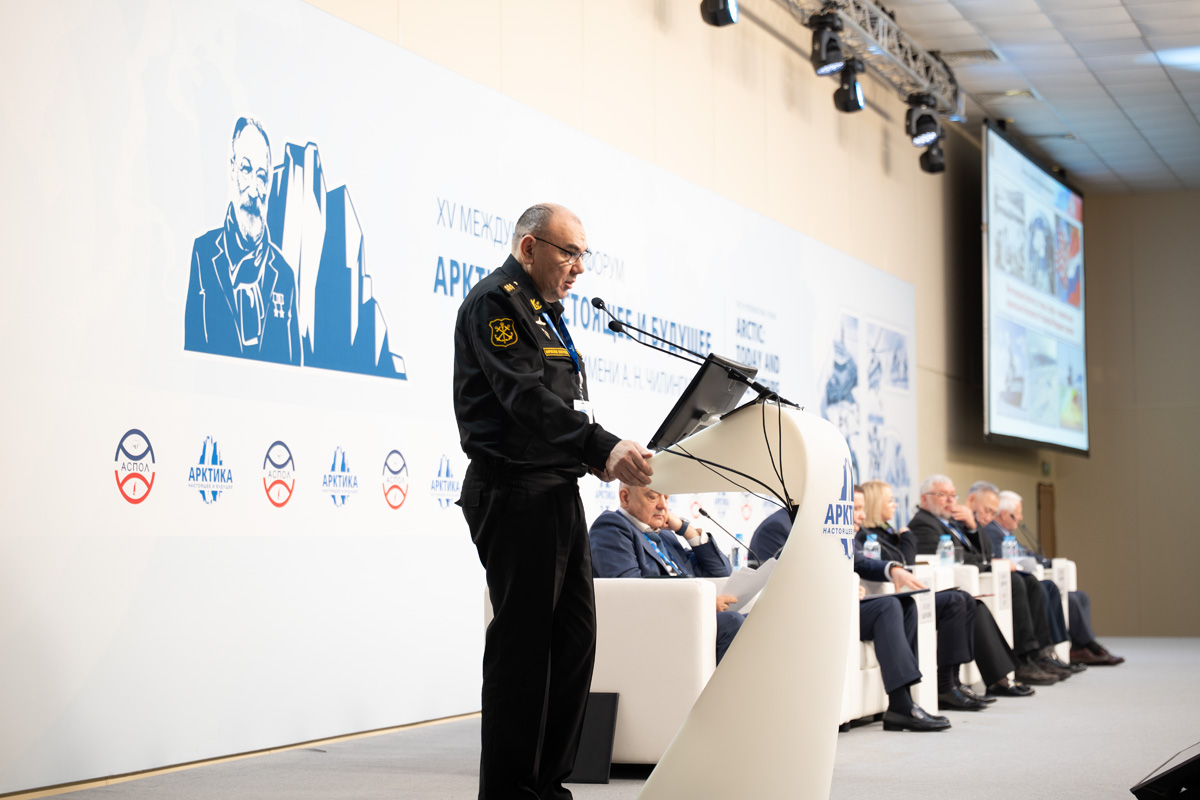
On December 9–10, 2025, events of the 15th Chilingarov International Forum “Arctic: Present and Future” are taking place in Saint Petersburg, organized by the Association of Polar Explorers (ASPOL).
The Forum’s motto — “Arctic in Action” — emphasizes the growing role of the Far North as a territory of active economic activity and large-scale challenges.
On December 9, a plenary session was held, during which the president of ASPOL, Mikhail Slipenchuk, stressed the importance of a systemic approach and joint work on the Arctic agenda. In the same session, the head of the Federal Agency for Ethnic Affairs Igor Barinov pointed out in his presentation that the development of the region through large-scale projects must proceed with minimal risk to ecology and with respect for the traditional way of life of the indigenous peoples. The Governor of Arkhangelsk Region, Chairman of the State Council Commission “International Cooperation and Export,” Alexander Tsybulsky, said:
“The Arctic zone comprises vast territories with extremely low population density, a very uneven state of economy, social, transport and communal infrastructure. Active processes of urbanization lead to a gradual depopulation, which in turn exacerbates uneven regional development.”
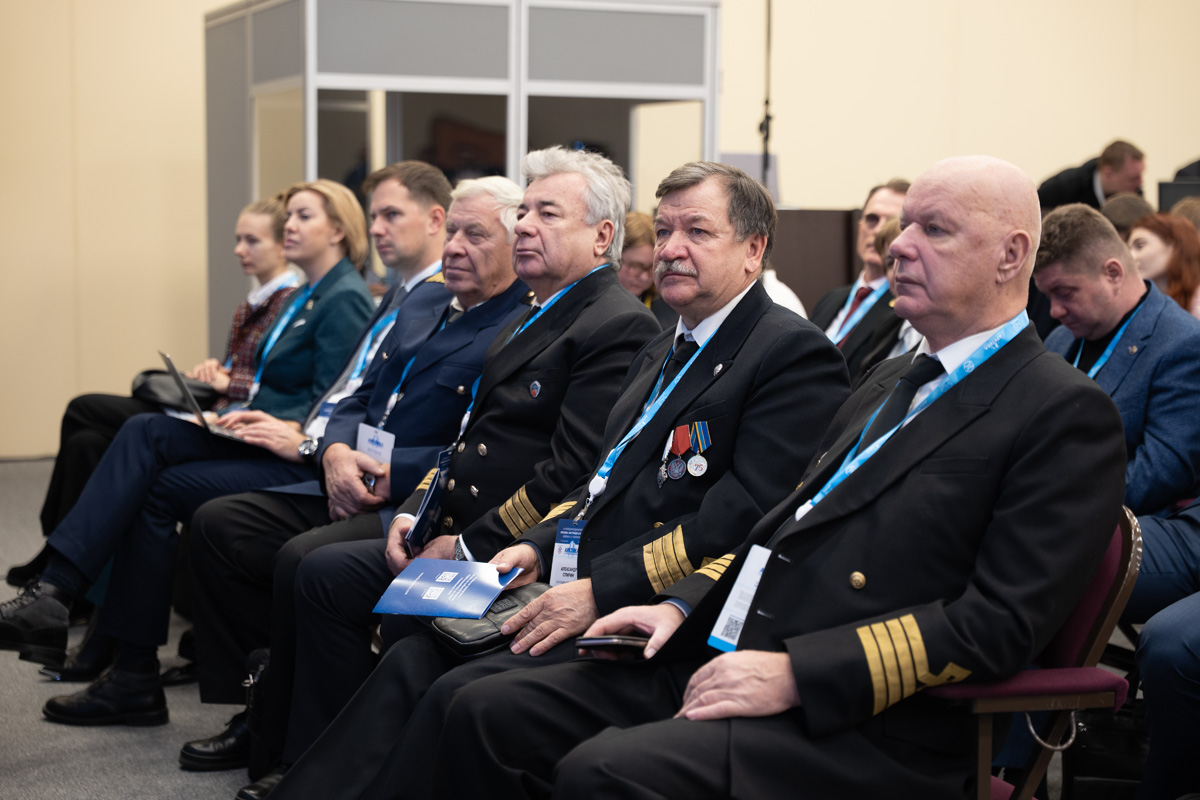
Participants are reviewing key projects and programs being implemented in the Arctic, as well as exploring what opportunities this territory holds for the development of the country.
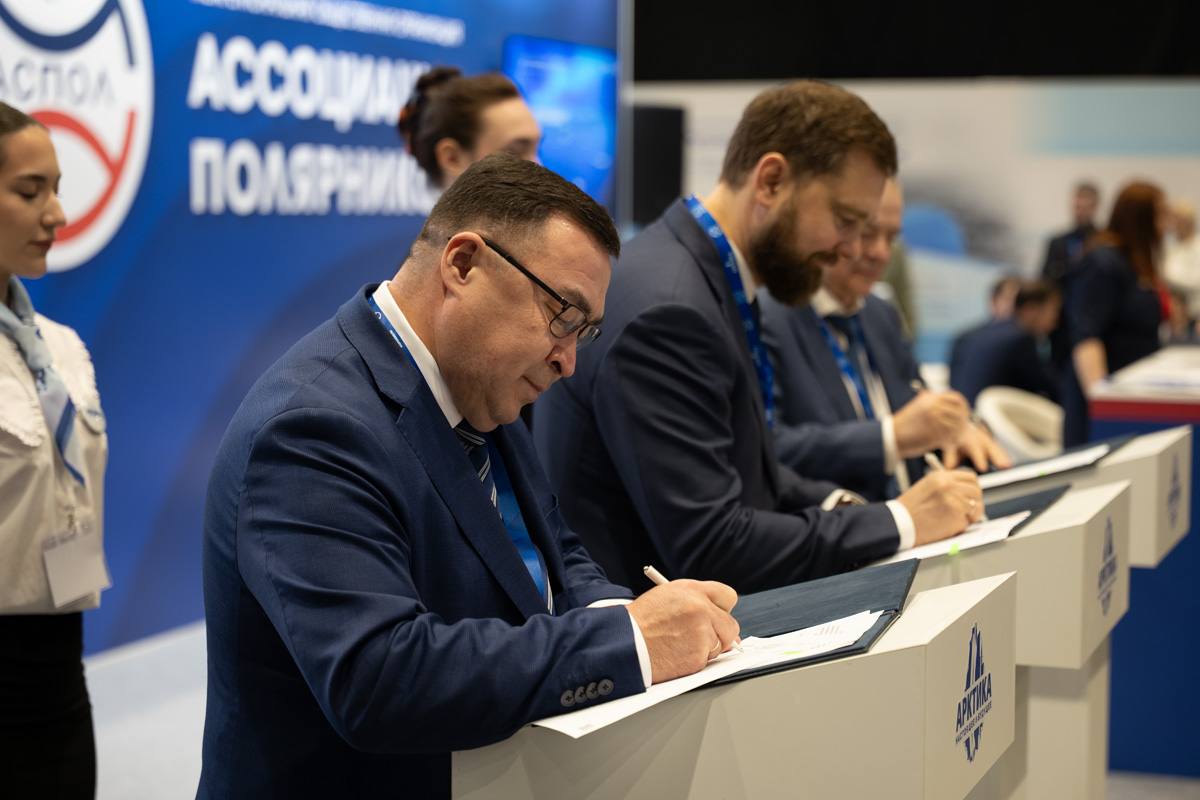
On the first day of the Conference, participants discussed the use of artificial intelligence, drones, robots, and satellites for studying the Arctic. A tripartite agreement signed at the Forum is expected to directly influence the quality of life of the Arctic’s indigenous populations. The main tasks of the document include support for local communities, protection of their rights, harmonizing relations with industrial companies, and participation in international and interregional cooperation.
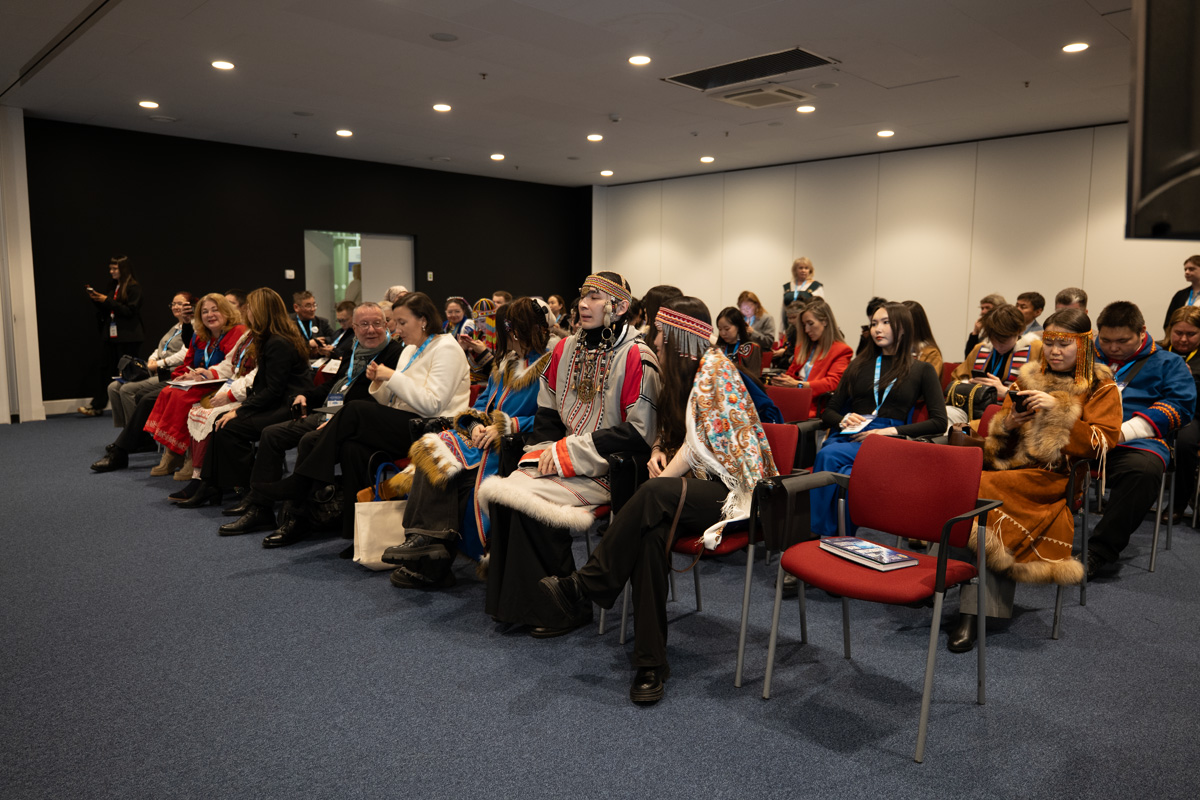
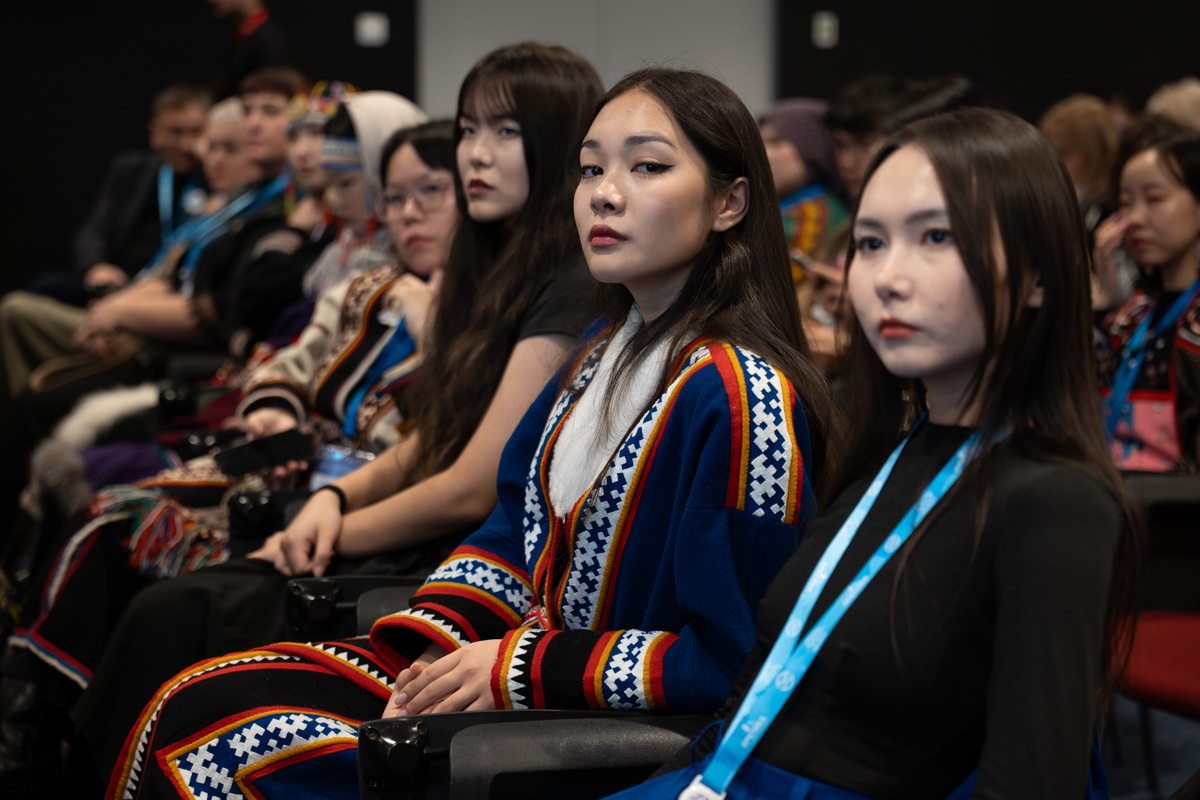
At the session “Voice of the Arctic: ensuring rights and preserving culture of the Small-Numbered Peoples,” experts touched on key issues regarding the balance between industrial development of the Arctic and protection of ancestral lands.
Session participants noted that successful practices of digitizing the languages of the Small-Numbered Peoples of the North represented an important aspect of making information accessible to native speakers. Moreover, integrating content in native languages into the educational process helps preserve linguistic diversity.
At the presentation of the Interactive Atlas of the Small-Numbered Peoples of Russia, Nina Veisalova, director of the non-profit “Center for Traditional Knowledge and Languages of the Small-Numbered Peoples of Siberia, the North and the Far East,” pointed out that scholars from RSUH played a key role in systematically gathering historical, cultural, anthropological, and linguistic materials about indigenous small-numbered peoples. She expressed special pride regarding the development of the digital platform, noting that “this is a fully IT-independent solution, built on a Russian platform.” She also highlighted the original design created by youth from among the indigenous peoples. Concluding her speech, Nina Veisalova invited all interested to visit the digital platform, carefully study it, and contribute or support it with their own content.
During the session “Support for Indigenous Peoples: Best Practices of Government and Business,” modern approaches to comprehensive development of Arctic regions were considered, taking into account the rights and interests of the Small-Numbered Peoples of the North.
International expert Navin Rai, Chairman of the Trust Fund for Indigenous Peoples of Nepal and Corporate Advisor to the World Bank on Indigenous Peoples between 1999–2012, emphasized the economic feasibility of a responsible approach.