18.09.2026
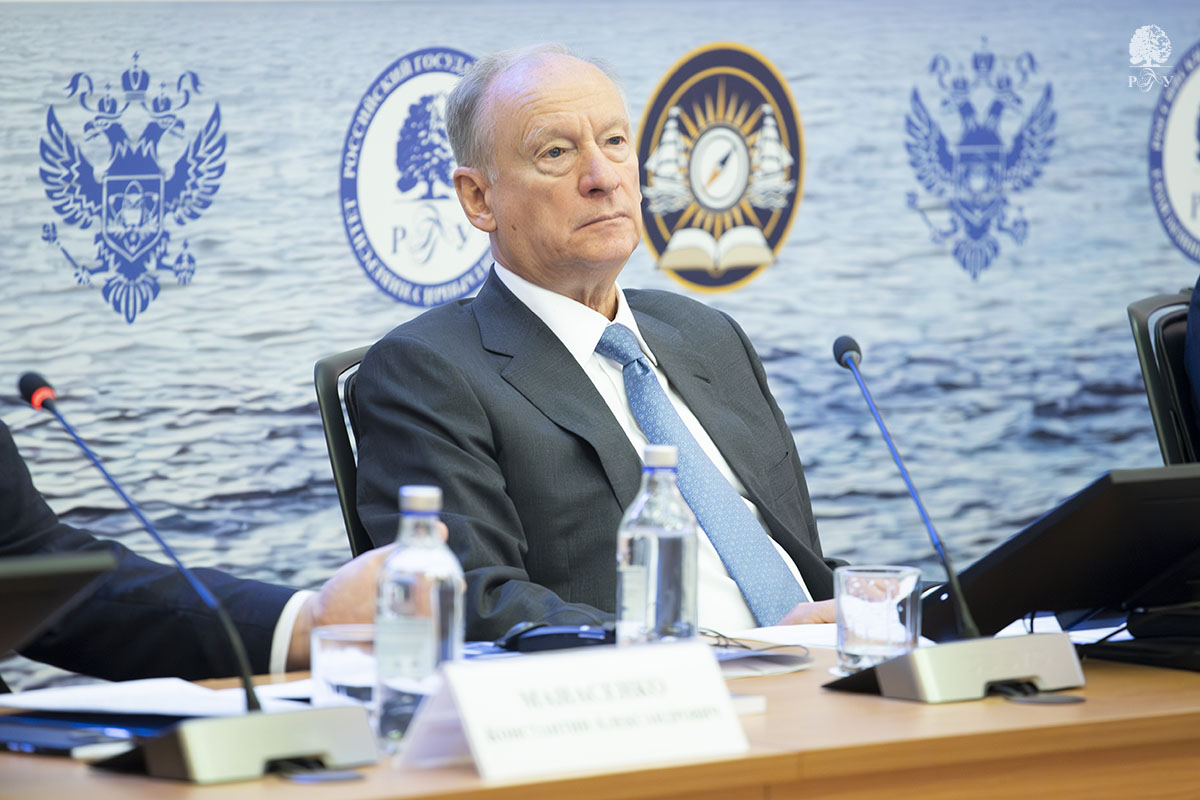
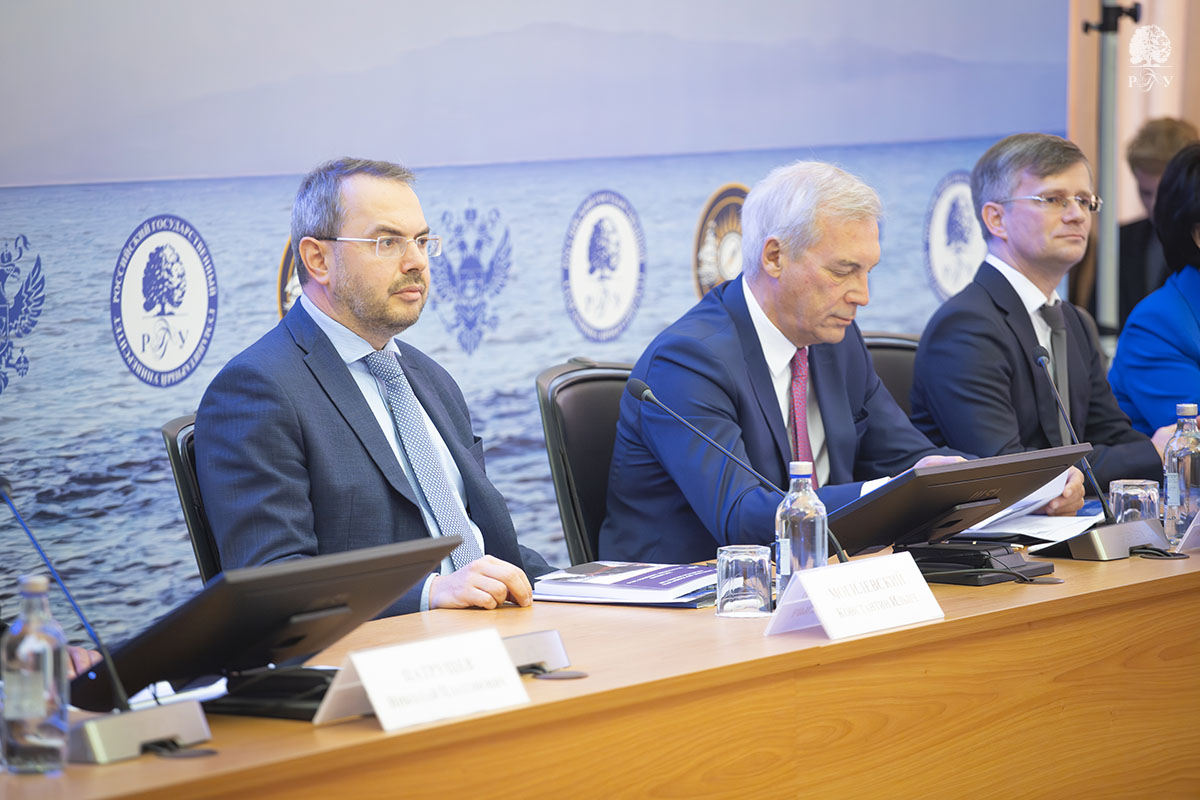
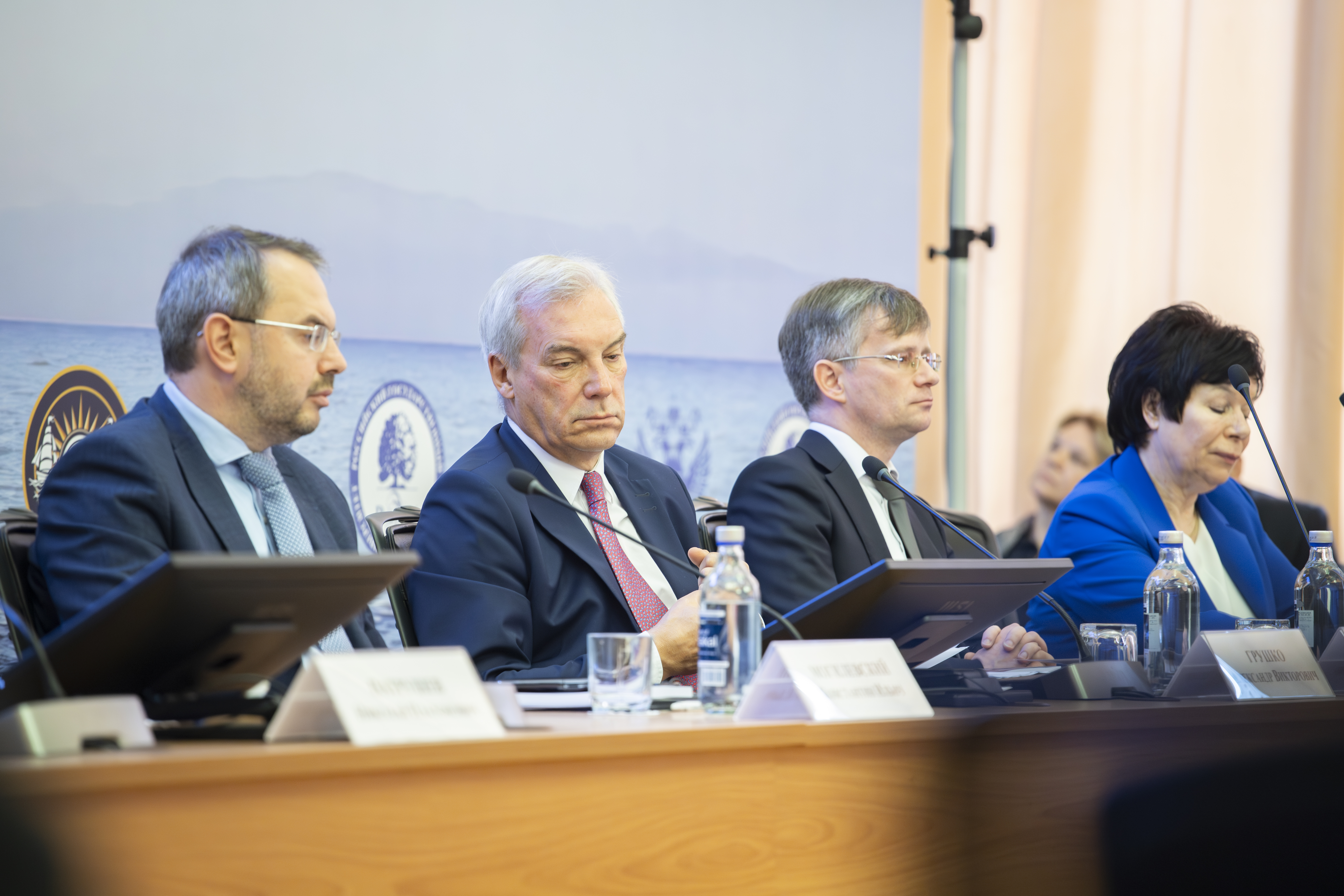
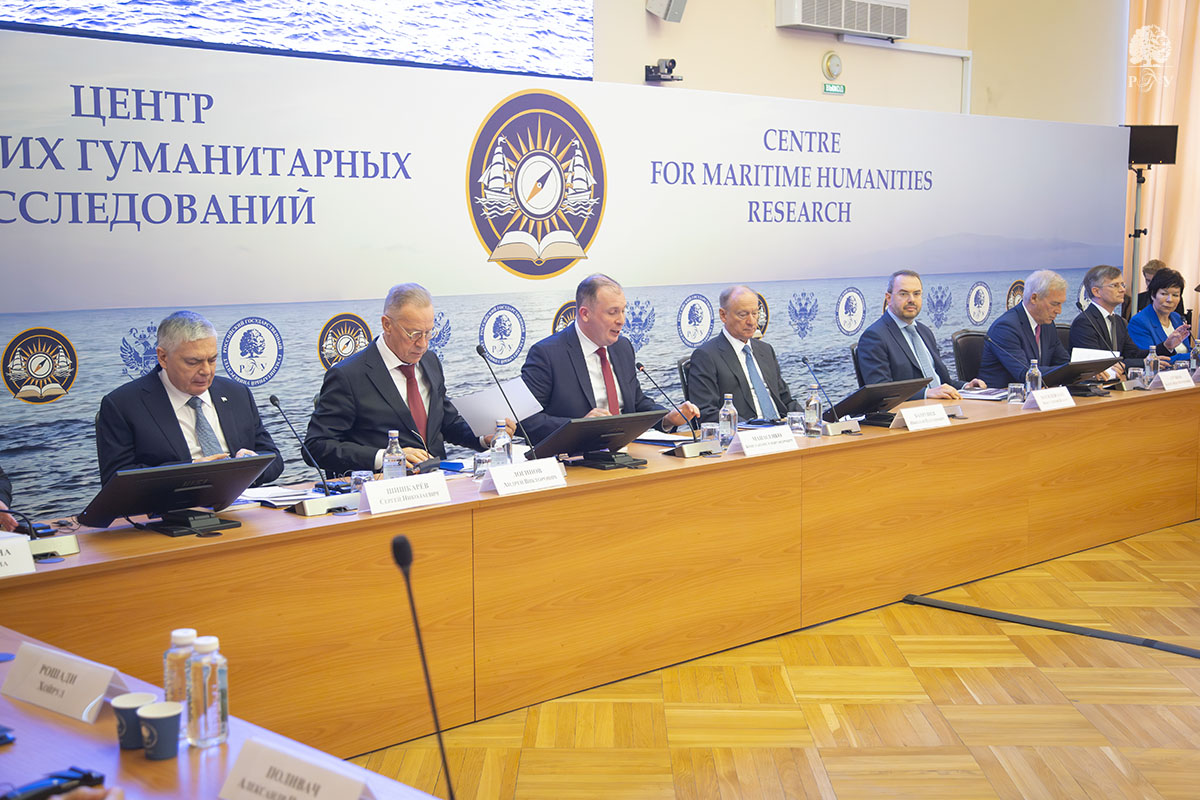
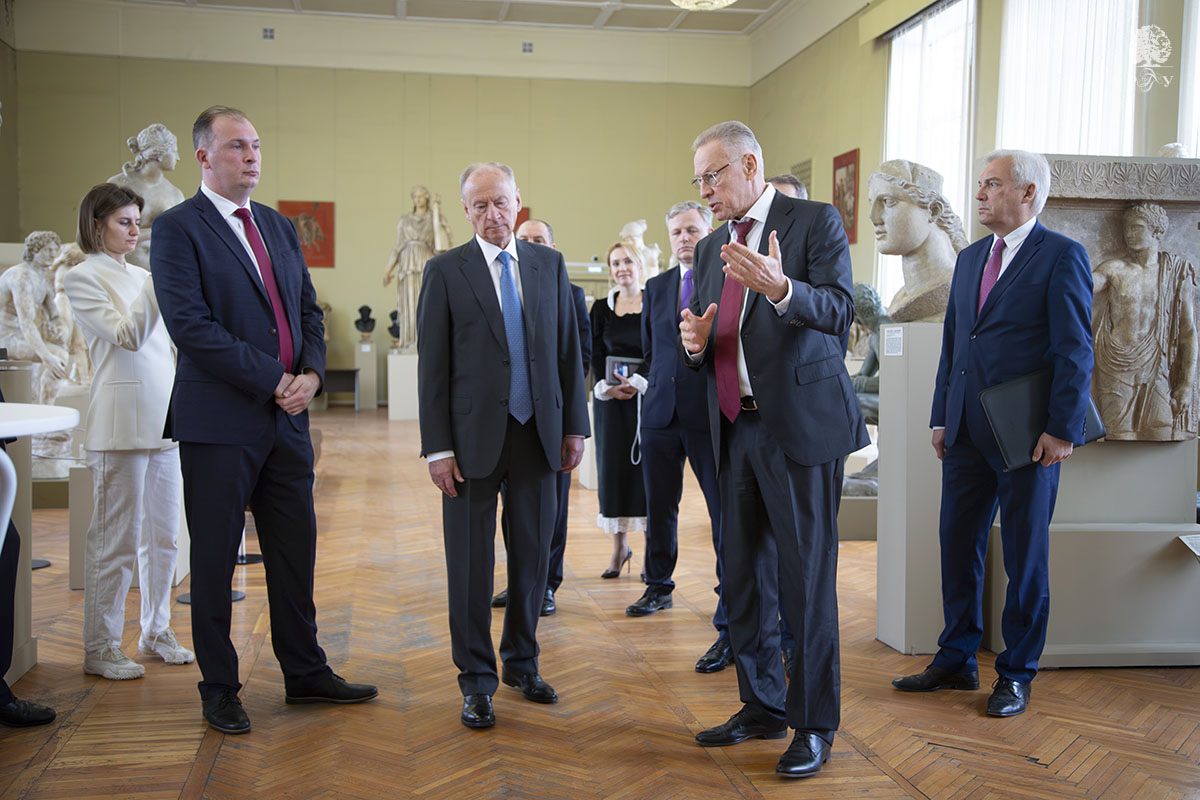
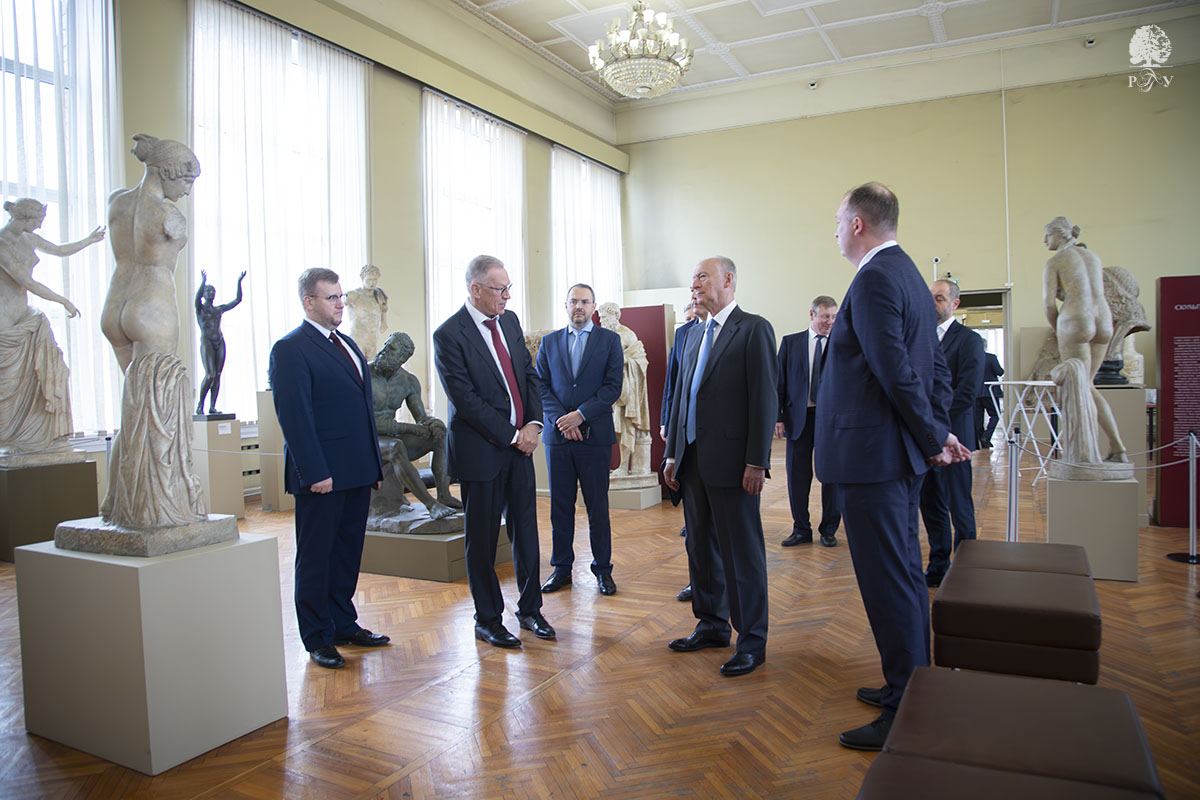
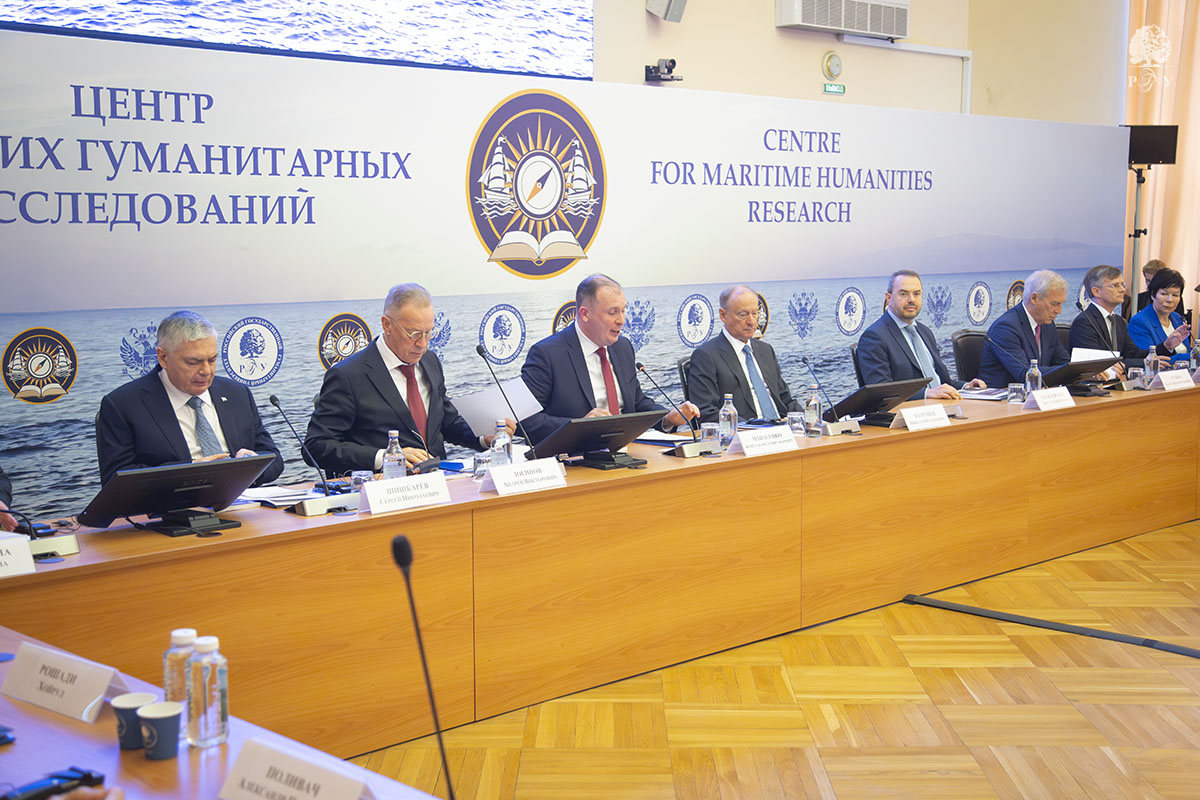
On September 18, RSUH officially opened its Center for Maritime Humanities Research, established by decision of the President of Russia. The opening ceremony was attended by Nikolai Patrushev, Aide to the President of the Russian Federation and Chairman of the Russian Maritime Board, and Konstantin Mogilevsky, Deputy Minister of Science and Higher Education of the Russian Federation.
Deputy Minister Konstantin Mogilevsky addressed the history of Russia's emergence as a maritime power. He noted that maritime activities had been part of the country's history since ancient times and that gaining access to the seas had been an important stage in Russia's development.
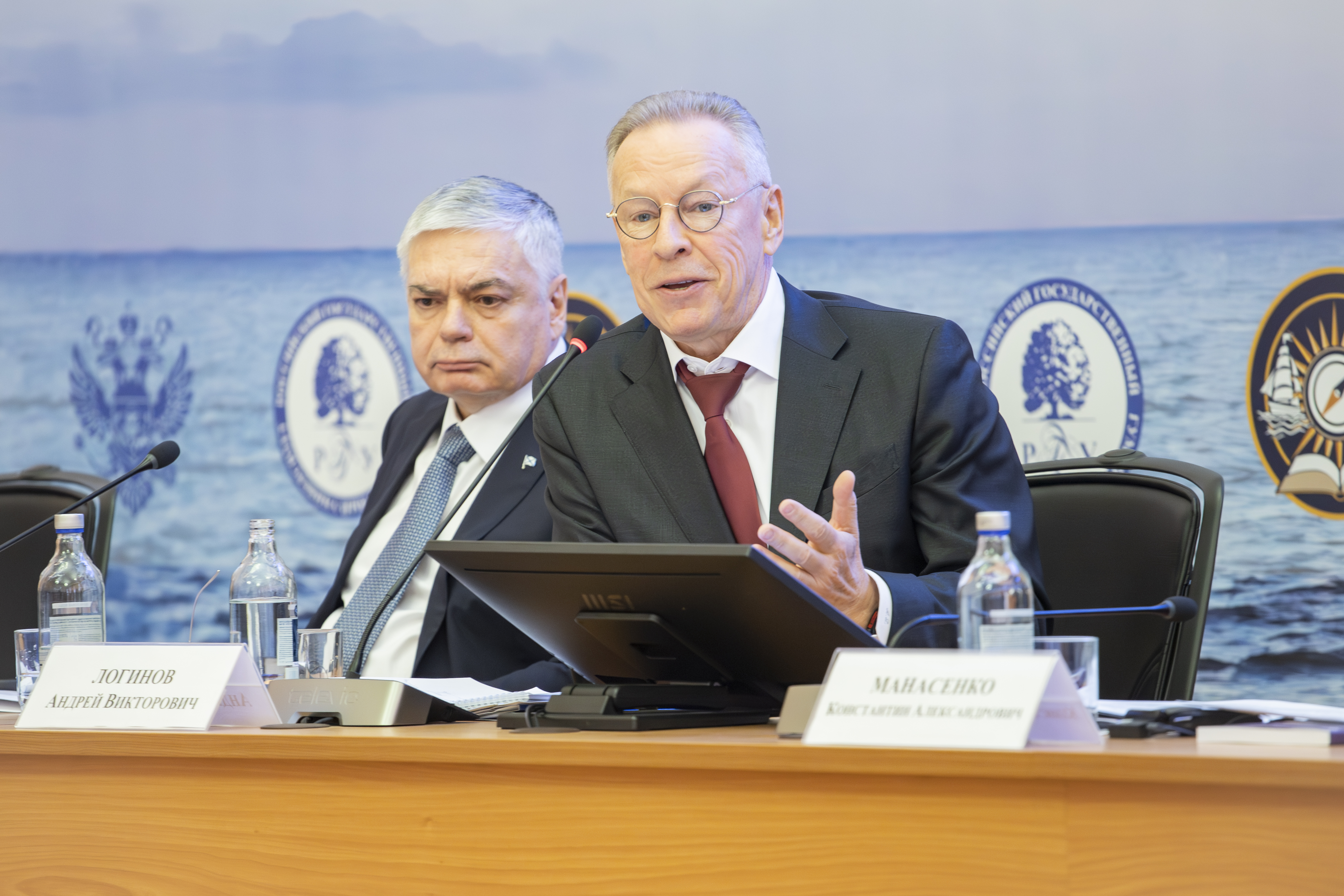
The Deputy Minister also recalled the construction of the Oryol, the first Russian warship, in the seventeenth century, linking the development of Russian shipbuilding to the need to ensure maritime navigation safety. RSUH Rector Andrei Loginov drew the guests' attention to the role of the humanities in addressing the challenges of Russia's contemporary maritime policy. According to the Rector, an interdisciplinary approach is particularly important, as it makes it possible to combine historical perspectives with the methods and achievements of other humanities disciplines.
One of the new Center's objectives will be to bring together researchers from different disciplines working on maritime topics and, on this basis, establish new research and teaching schools. Deputy Minister of Foreign Affairs of the Russian Federation Alexander Grushko also addressed the ceremony. He spoke about the importance of international cooperation in studying the World Ocean and expressed the Russian Foreign Ministry's readiness to support the Center's international projects, including those involving archival and scientific research.
Sergei Shishkarev, Chairman of the Board of Directors of the Delo Group of Companies, outlined the practical aspects of the Center's work, drawing attention to contemporary challenges facing maritime transport and logistics. He emphasized that geopolitical changes, sanctions-related restrictions, and tighter controls over shipping directly affect transport routes and freight costs.
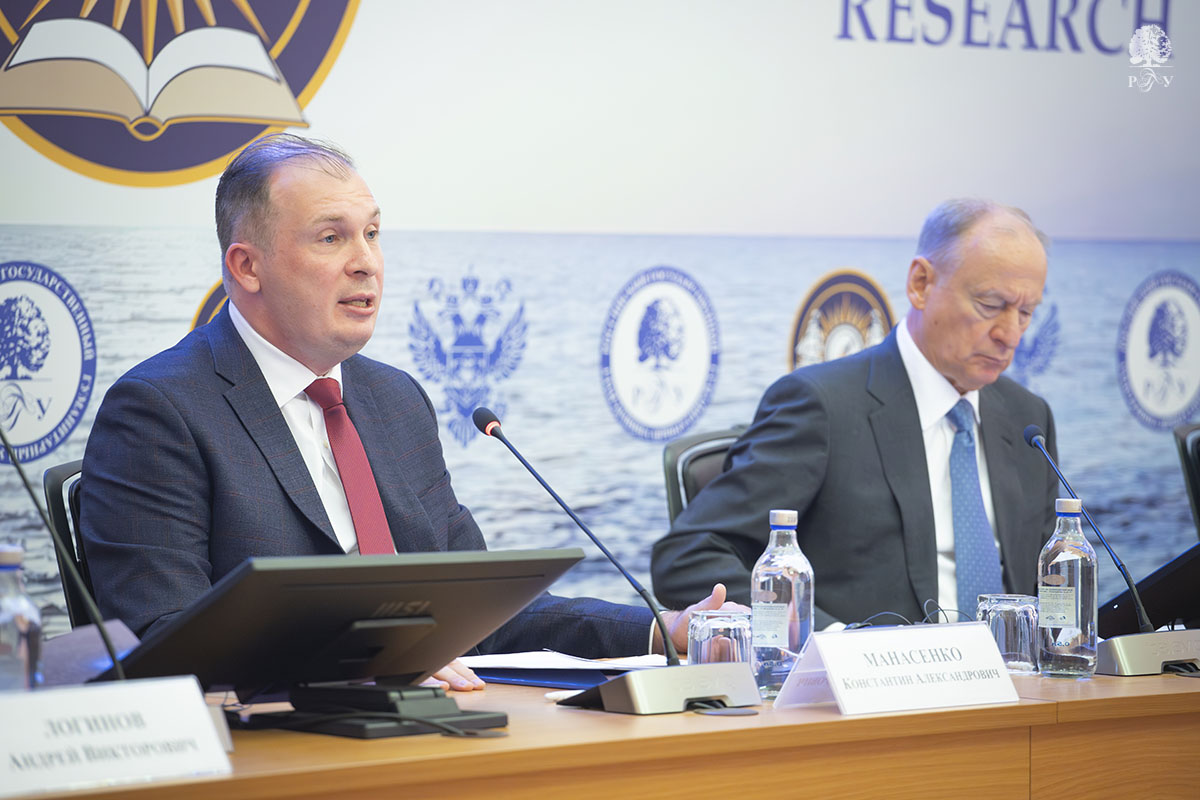
Konstantin Manasenko, Adviser to the Chairman of the Russian Maritime Board and Candidate of Economic Sciences, was appointed Director of the Center for Maritime Humanities Research. Describing the new Center's areas of activity, he noted that it was already implementing several research projects devoted to the history of the exploration of the World Ocean and the maritime traditions of different peoples.
Following the official ceremony, the program continued with an international strategic session entitled “The Influence of Maritime Power on the World Order: Lessons from History and the Present. Maritime Humanities Research: Classical Subjects and Promising Areas of Study.” During two thematic sessions, Russian and international experts discussed the influence of maritime power on the contemporary world order, the adaptation of Russian logistics to external pressure, the development of sovereign maritime merchant shipping, international legal aspects of the use of maritime spaces, Russia's historical heritage in the World Ocean, and prospects for maritime cooperation with countries in Africa, Latin America, and the Asia-Pacific region.