02.07.2026
On the day of the solstic Brazil widely celebratу the popular saints John, Peter, and Paul/ This festivity is known as "Saint John's Day." The roots of this ancient holiday lie in pagan traditions, later known as "Ivan Kupala Day" in Russia with the advent of Christianity.
Students from the Institute of International Relations and the Department of General History at the Russian State University for the Humanities (RSUH), who were interning at the International Russian-Brazilian Center under the guidance of the Center's Director, Lyudmila Baturina, prepared and held this festival specifically for the university's administrative staff, whose work is unseen but crucial to RSUH.
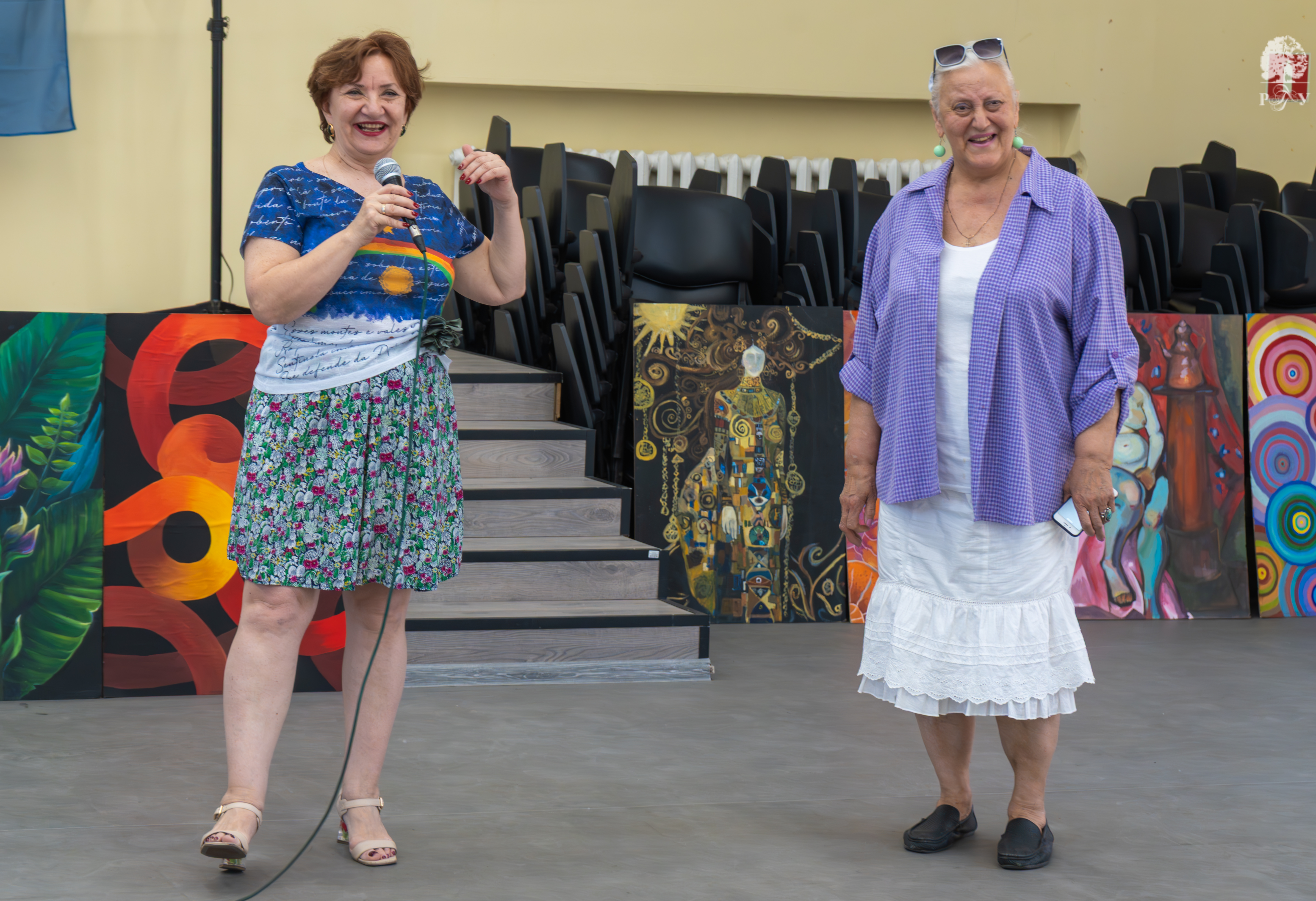
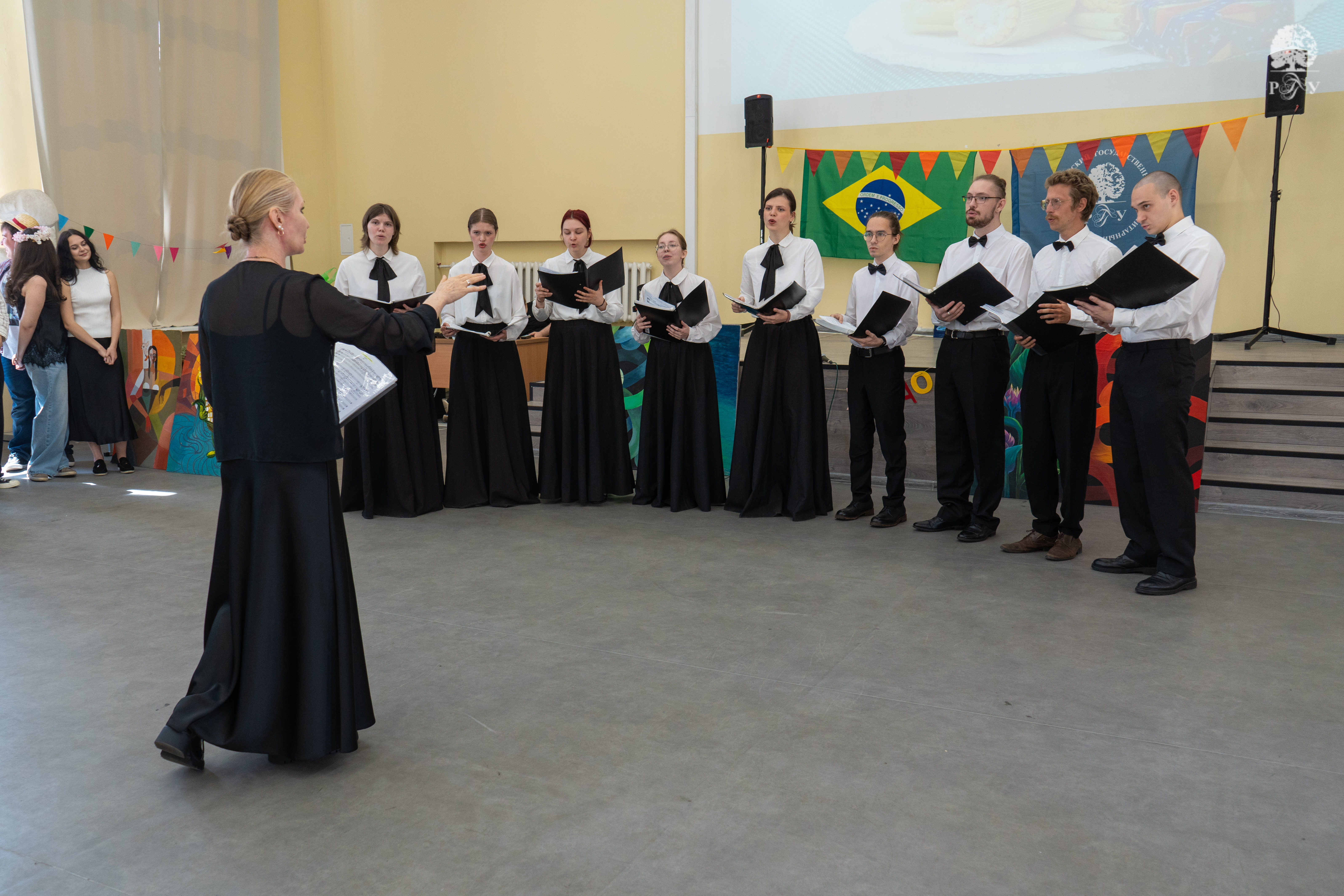
Lyudmila Baturina opened the festival, speaking about the cultural and historical roots of the festival and its connections to the ancient Russian "Ivan Kupala." The RSUH Academic Vocal Studio, directed by Olga Veniaminovna Rudakova, performed a delightful rendition of Russian folk songs, traditional for Russian holidays.
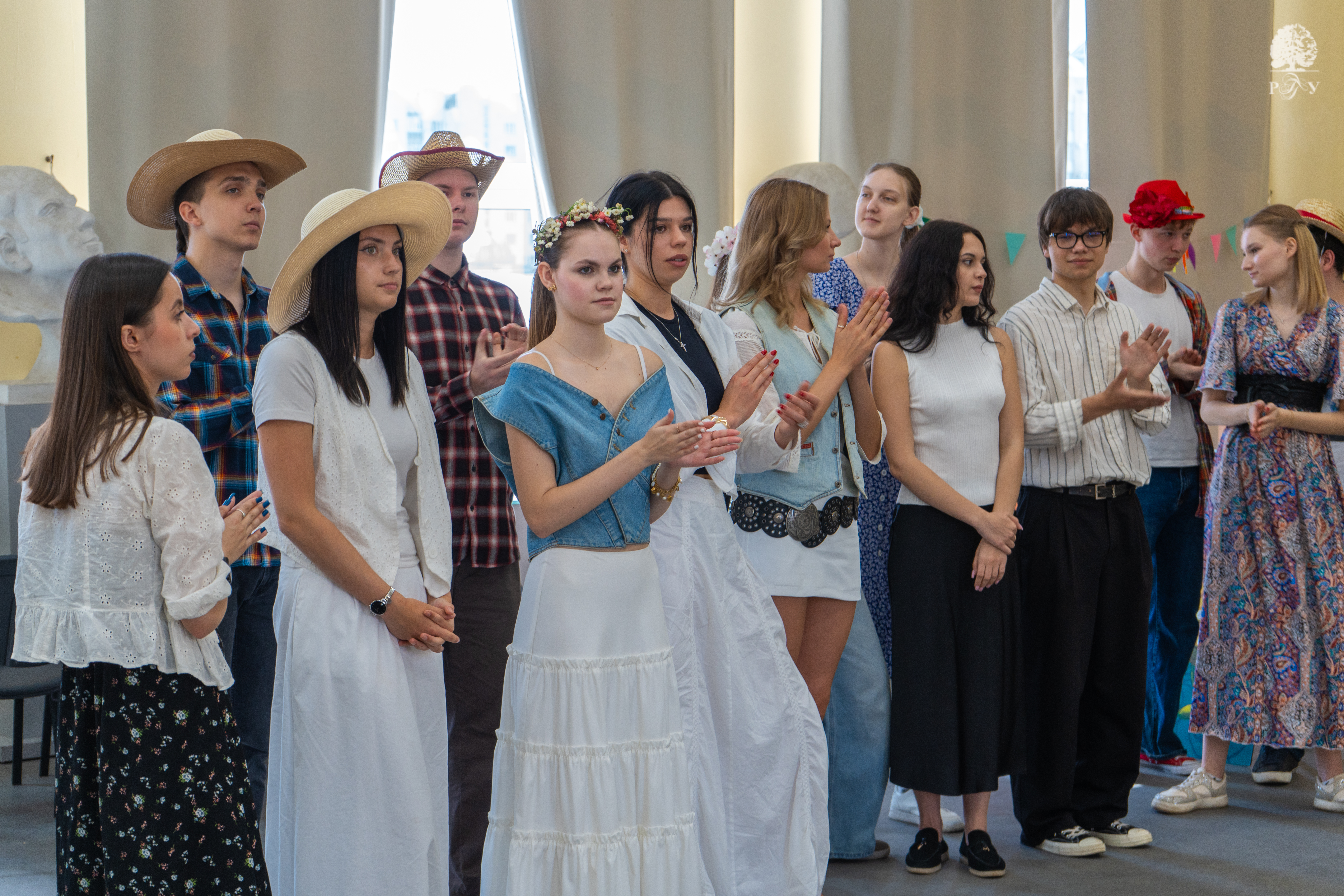
The students, along with the festival participants, learned and performed the traditional festival dance "Quadrilho," very similar to the "Kadrille," combined with a round dance and games. Following this, there were traditional competitions, the weaving of wreaths from herbs and flowers, and fortune telling using corn.
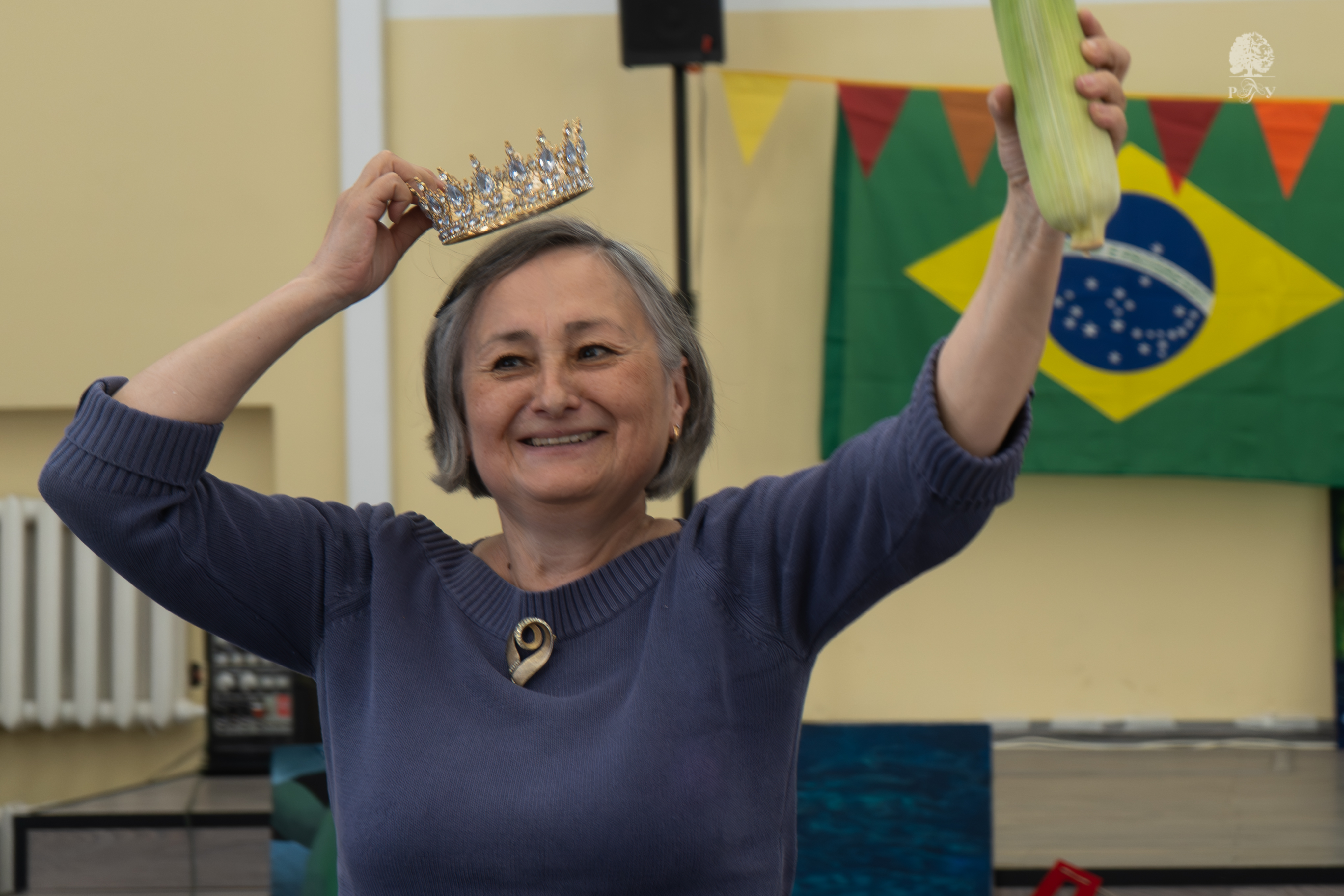
As is customary at the Brazilian folk festival of "Saint João's Day," a "King and Queen of Corn" were chosen from among the participants.
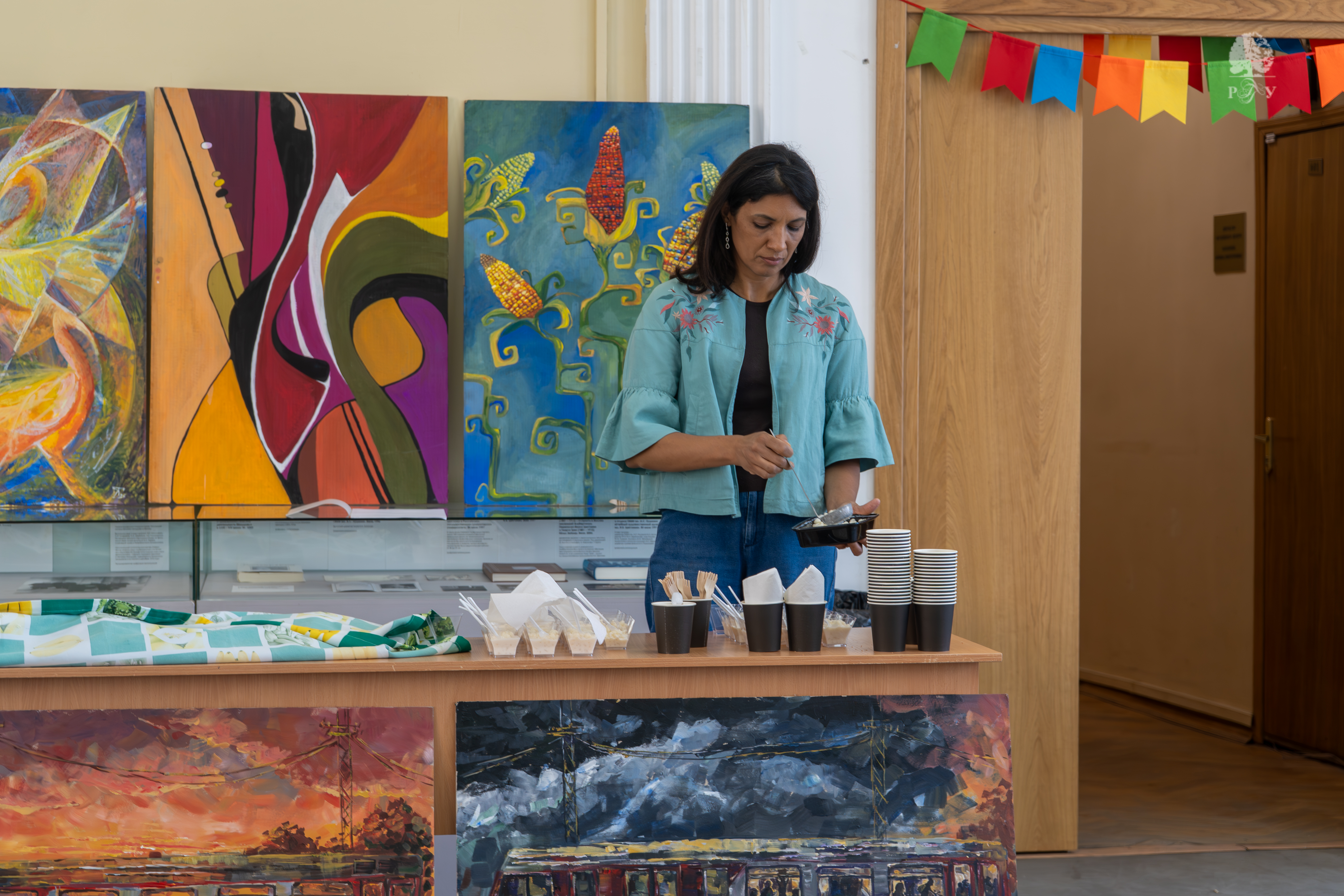
At the end of the festival, the participants sampled the Brazilian cuisine typical of this day and learned how these dishes are prepared.
The hall where the celebration took place was decorated with an exhibition of creative works, "Bright Colors of the Holiday," by students of the Art-Design Educational Center under the guidance of teacher Galina Kobzeva.
It was interesting and fun. Everyone who attended the festival enjoyed themselves a lot!
About the festival:
In Brazil, this holiday is celebrated with great fanfare. "Saint John's Day" is a unique themed carnival held in parks, cultural centers, schools, and city squares. And, as usual, there's a lot of music, singing, and dancing.
Special music is played on three (symbolic) instruments for this holiday: the drum, the musical triangle, and the accordion. The melodies are very reminiscent of Russian folk songs, just as endless, accompanied by the accordion and rattles.
And it's on these days that Brazilians dance a special dance called the "Quadrilha," a colorful performance performed by several couples simultaneously. Essentially, it's a Russian Quadrille combined with other popular folk dances, but at a much faster tempo and rhythm!
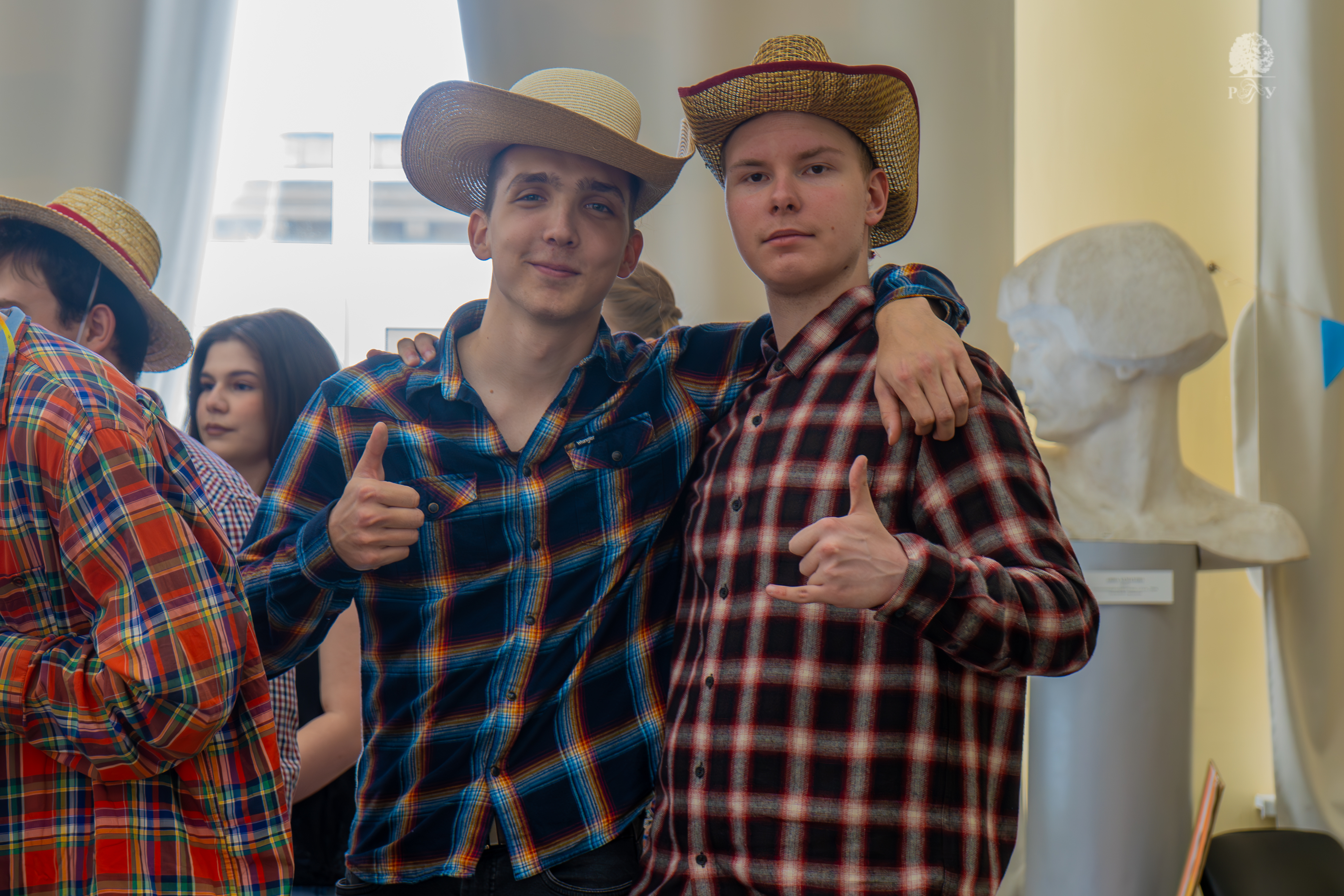
People dress up in costumes: girls in plaid dresses with white lace, boys in jeans, plaid shirts, straw or cowboy hats.
For this holiday, special dishes are prepared. A holiday wouldn't be a holiday without corn. It's just ripe at this time. All the dishes are made from it: pies, porridge, puddings, casseroles, cakes. In the culinary shops, people stand for these dishes and dance in place to the endless music of drums, a musical triangle, and an accordion. Corn and corn puddings are beautifully wrapped in corn leaves and then cooked in them.
After sunset, bonfires are lit at all the festival grounds. When they've burned down sufficiently, couples jump over them, just like at the Russian Ivan Kupala festival. The culmination of the festival is a stunning fireworks display. In some coastal areas of the country, the tradition of releasing lanterns, like in the cartoon "Rapunzel," still survives. In the past, burning lanterns caused fires, so now they are lit from the boats at sea. It's truly beautiful.
The festival is wonderful: colorful, costumed, and joyful. If you missed the carnival in February, don't worry – come to Brazil in June.