23.10.2026
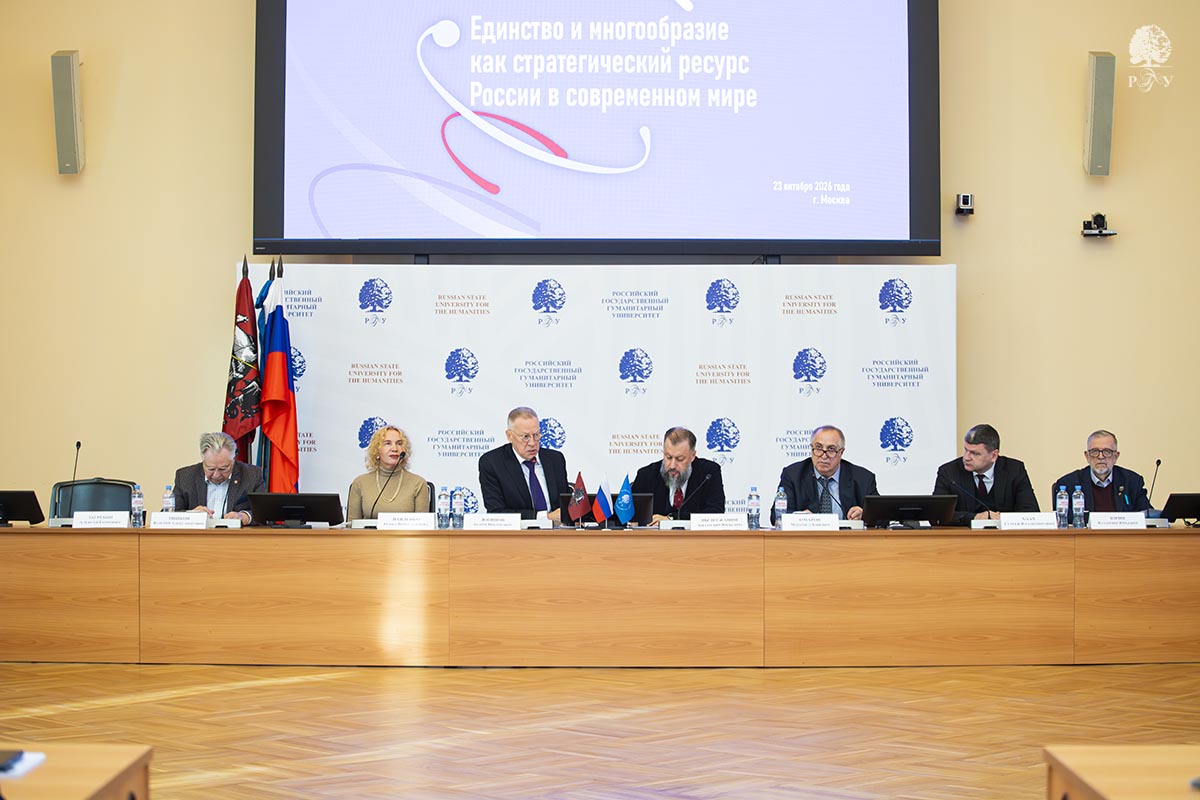
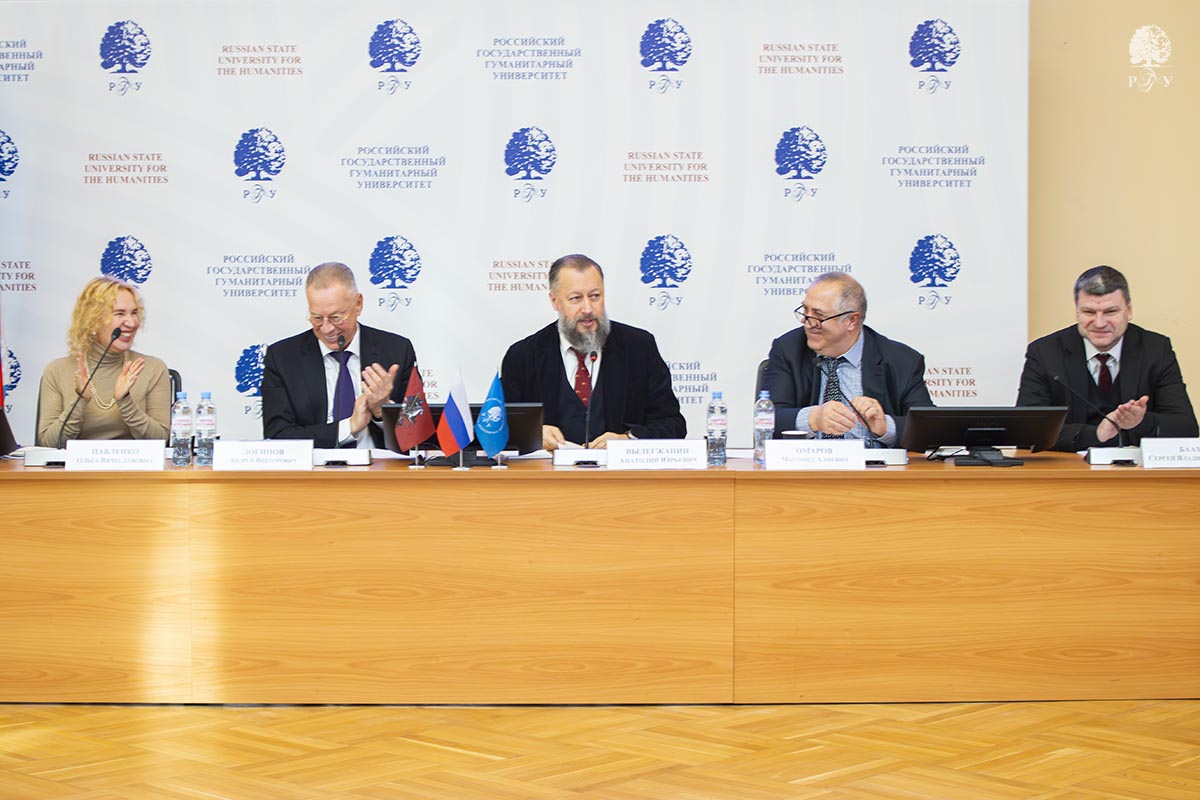
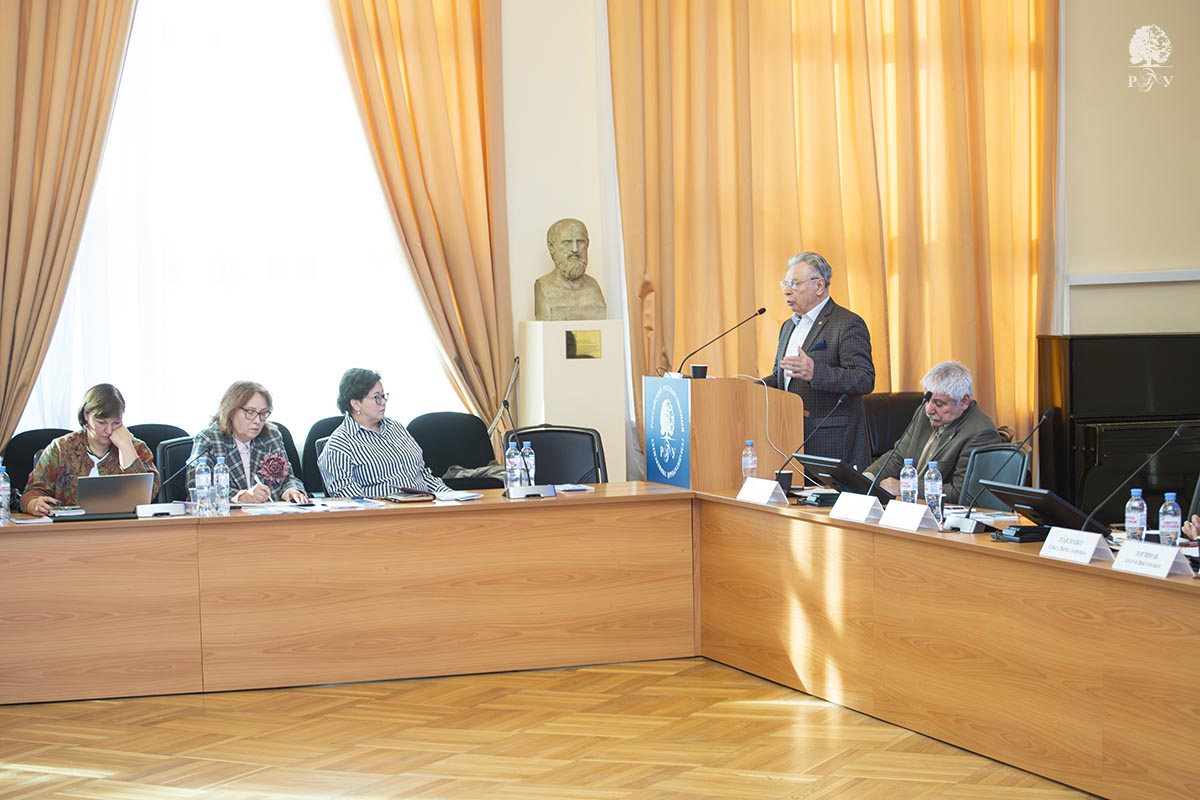
On October 23, RSUH hosted the All-Russian Conference “Unity and Diversity as Russia’s Strategic Resource in the Modern World,” bringing together representatives of government authorities, academia, and public organizations to discuss civic unity, the preservation of Russia’s cultural and linguistic heritage, and the development of national policy.
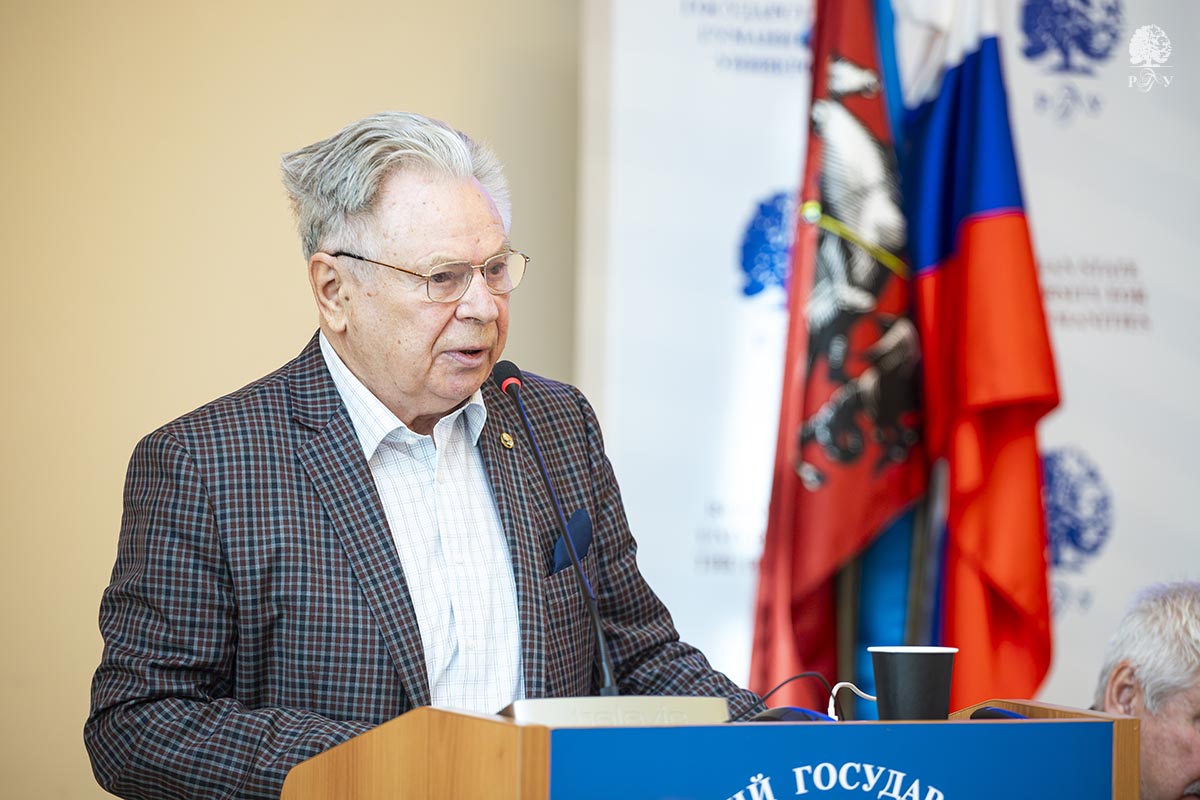
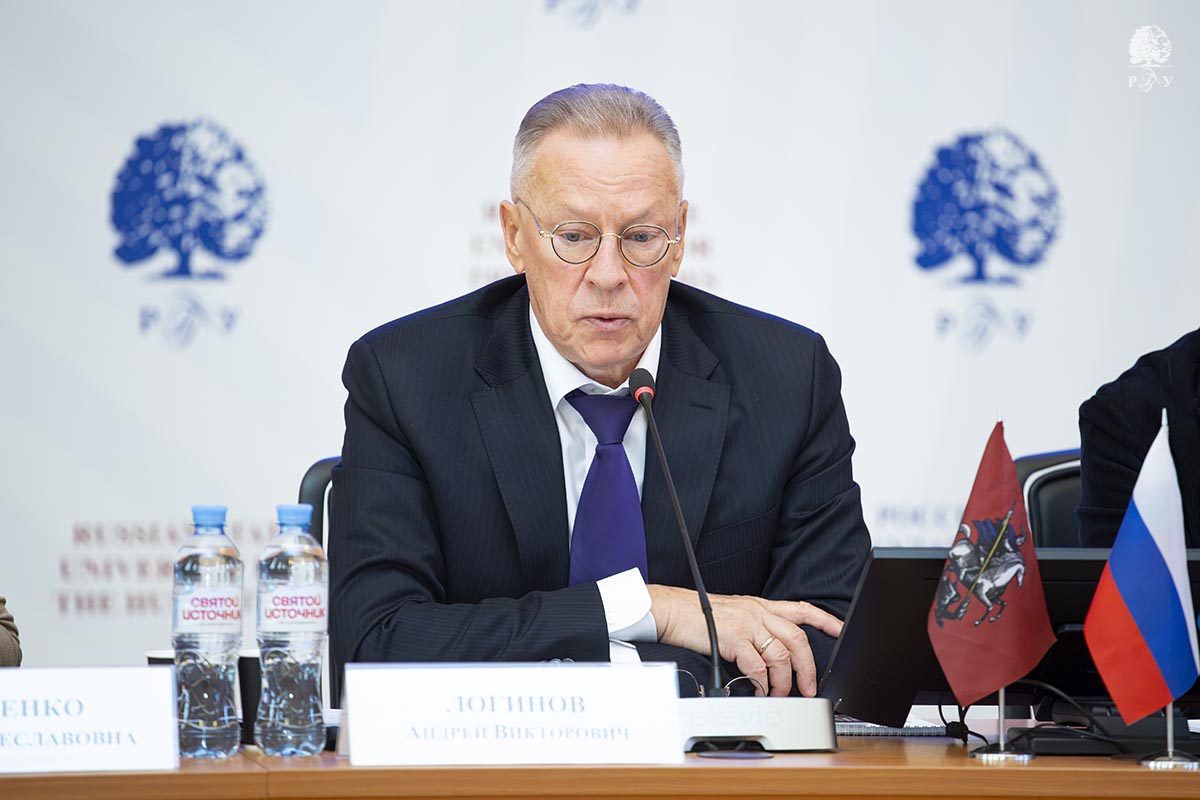
“Identity is closely connected with such fundamental concepts as spiritual and moral values, historical truth and historical memory, Russia as a civilization, and the Russian world. We consider these values as a system for which we propose a three-level model: anthropological, social and moral, and civic and historical. This approach makes it possible to understand the complexity of these issues and the extent to which they require academic and methodological substantiation,” noted RSUH Rector Andrei Loginov, emphasizing the need for a comprehensive study of the value foundations of Russian identity and their role in contemporary society.
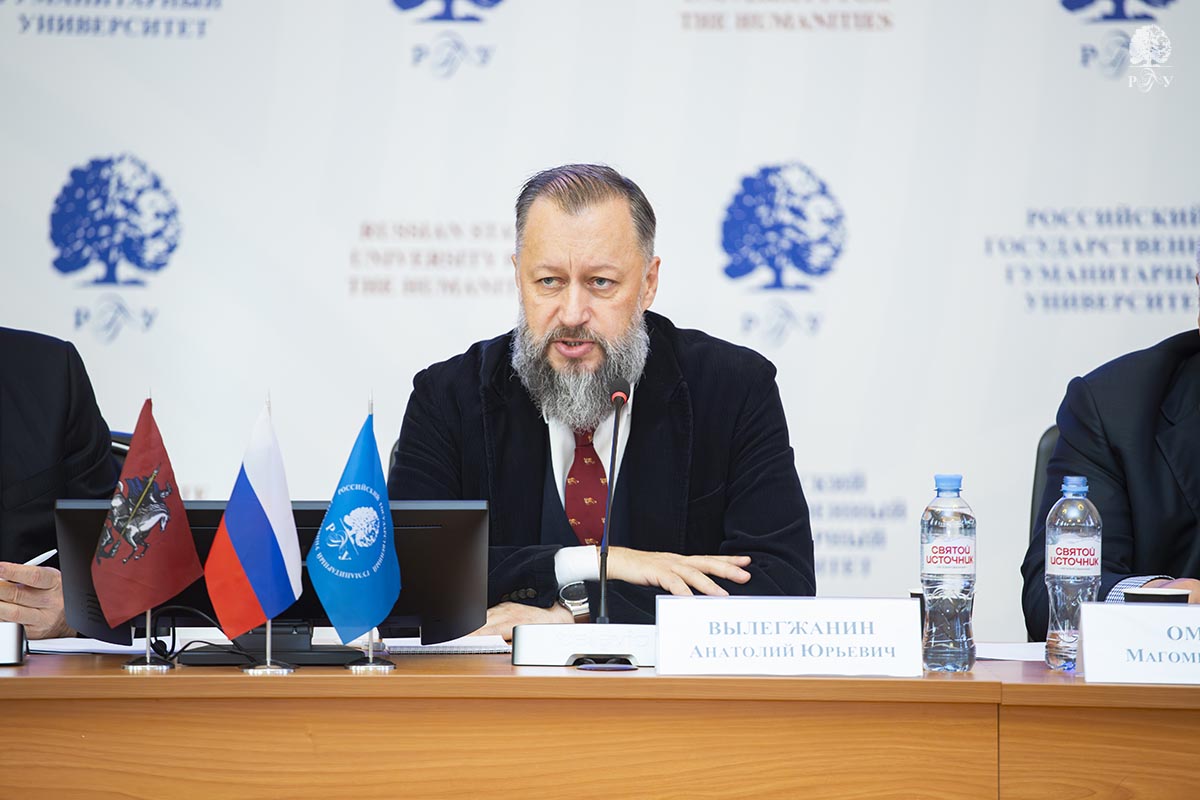
An official greeting on behalf of Magomedsalam Magomedov, Deputy Chief of Staff of the Presidential Executive Office of the Russian Federation, was delivered by Anatoly Vylegzhanin, Deputy Head of the Presidential Directorate for Domestic Policy. The message highlighted the historically established unity of the peoples of Russia, the importance of cultural and linguistic heritage, and the role of the academic community in addressing current national policy challenges.
A greeting from Konstantin Mogilevsky, Deputy Minister of Science and Higher Education of the Russian Federation, was read by Elina Khuzhinova, Deputy Head of the Department for Preventing Destructive Impact in the Youth Environment at the Ministry’s Department of Information Policy and Comprehensive Security. The message emphasized the importance of research into the ethnocultural diversity of Russian society, the results of which should be applied not only in academia but also in the work of government authorities and public institutions.
Following the welcoming remarks, participants moved on to discussing academic approaches and regional experience that make it possible to assess how decisions in the field of interethnic relations work in practice.
During the plenary session, Valery Tishkov, Academic Director of the Institute of Ethnology and Anthropology of the Russian Academy of Sciences, examined the academic foundations of state national policy, while Andrei Kibrik, Director of the Institute of Linguistics of the Russian Academy of Sciences, addressed Russia’s linguistic diversity as one of its strategic resources. This discussion was followed by presentations of projects combining fundamental research with the possibilities offered by digital technologies.
Olga Pavlenko, RSUH Vice-Rector for Research and Project Activities, presented the Interactive Atlas of Indigenous Small-Numbered Peoples of the North, Siberia, and the Far East, developed by the university in cooperation with the country’s leading research and educational institutions.
Another approach to studying traditional culture was presented by Olga Sanarova, Director of Special Projects at Oleg Deripaska’s Volnoe Delo Charitable Foundation, who introduced participants to the Code of Survival project, dedicated to the centuries-old experience of the peoples of Siberia.
The project brings together ethnocultural expeditions, exhibitions, lectures, and research involving scholars, museum specialists, and representatives of local communities. Particular attention was paid to prospects for cooperation with RSUH, specifically the possibility of supplementing the Interactive Atlas with expedition materials revealing the everyday life and worldview of indigenous peoples.
Following the plenary session, discussions continued in four thematic sections devoted to regional and municipal national policy practices, civic unity and ethnocultural diversity, migration processes, and the role of science and education in developing interethnic relations.