On November 27, RSUH hosted a meeting “Languages of Indigenous Peoples of the North, Siberia and the Far East: Modern Challenges and Threats. The project of the Consortium to Сreate an Interactive Atlas of Indigenous Peoples”.
At the meeting a decision was made to create a Consortium, which included: RSUH, St. Petersburg State University, Institute of Ethnology and Anthropology of RAS, Institute of Linguistics of RAS, Institute of Linguistic Studies of RAS, Institute of World History of RAS. The creation of the Interactive Atlas will be implemented within the framework of the state task assigned by the Ministry of Science and Higher Education of the Russian Federation.
The meeting was organized by Dr. Pavlenko, First Vice-Rector of RSUH and Dr. Omarov, Director of the Center for the Study of Ethno-Political and Ethno-Cultural Processes of RSUH.
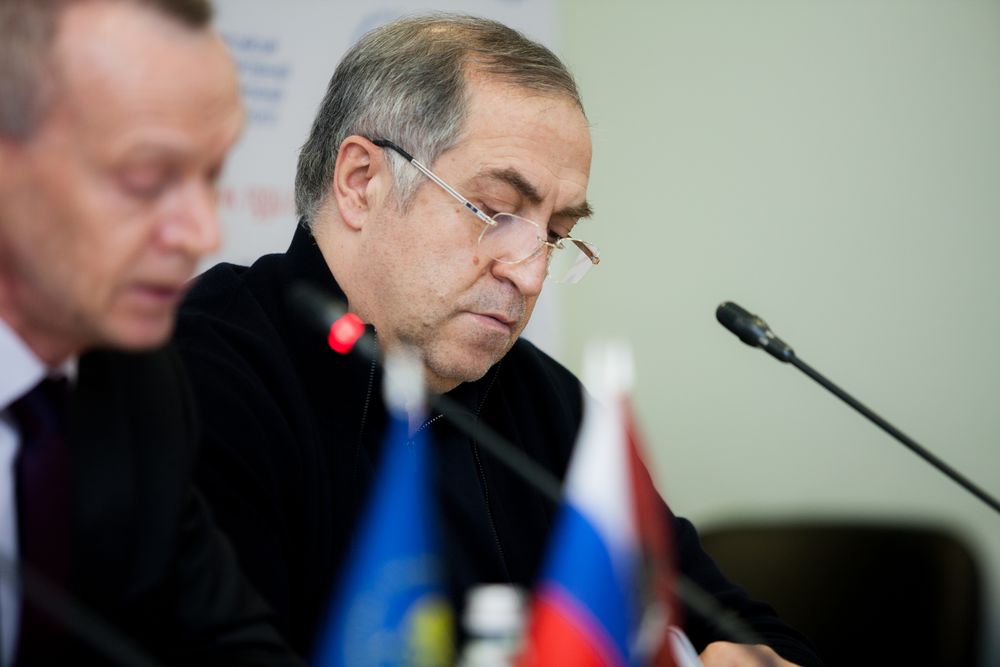
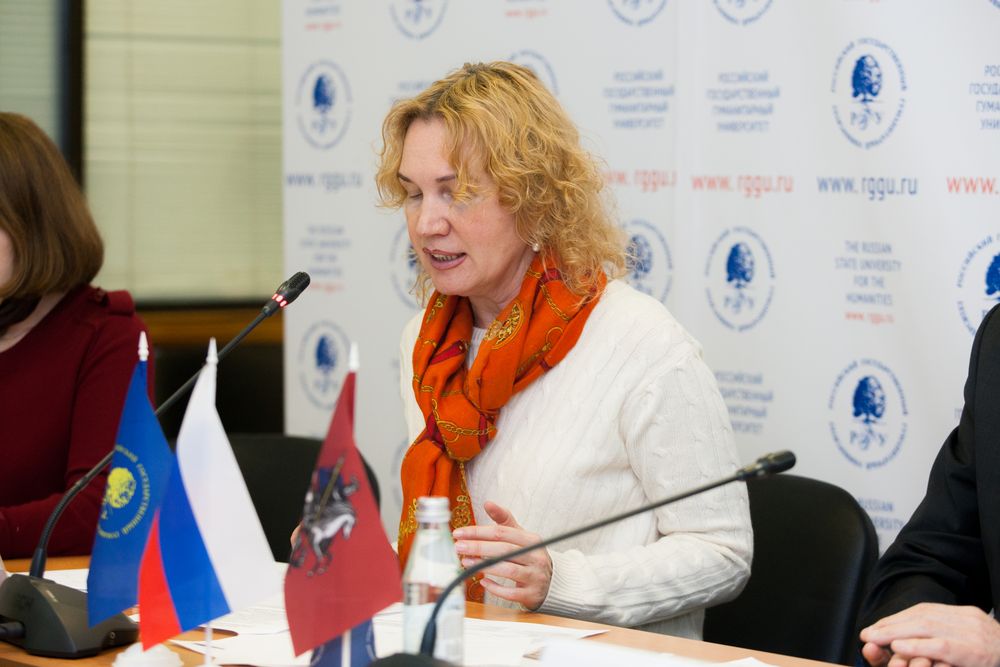
Opening the meeting, Rector Bezborodov emphasized the importance of the project for the academic communities of Russia and expressed his gratitude to the scholars involved in the creation of the atlas:
“Today we must make organizational decisions on the creation of a Consortium for the Study of Indigenous Peoples of the North, Siberia and the Far East from the point of view of their culture and languages. We hope to get an impetus from you to work together on the project.”
During the meeting, First Vice-Rector Pavlenko noted that in order for the Atlas to become a truly unique project, it was necessary to conduct a detailed analysis of all previous projects on the study of the indigenous peoples of Russia, and to determine key goals and objectives.
“We have to discuss the tasks that we can set for our project and divide the tasks. The participants of the Consortium need to determine the composition of the working groups and form proposals for the content the first stage of the project,” said Dr. Pavlenko.
Dr. Valery Tishkov, Academician-Secretary of the Department of Historical and Philological Sciences of RAS, Academic Director of the Institute of Ethnology and Anthropology of RAS, drew the attention to the need to use the international experience in creating interactive atlases.
Dr. Alexander Chubaryan, member of the Russian Academy of Sciences, Academic Director of the Institute of World History of RAS, said: “In order for the Atlas to be relevant and interesting, it should not be only about linguistics and ethnic issues. We are actively involved in studying oceanology and the economy of the adjacent states, and it will be an honor for us to take part in the implementation of this project with RSUH.”
Summing up the results of this meeting, Dr. Pavlenko emphasized the importance and significance of an integrated approach for the successful implementation of the project.


