23.05.2017
Tsvetaev Museum celebrating its 20th anniversary
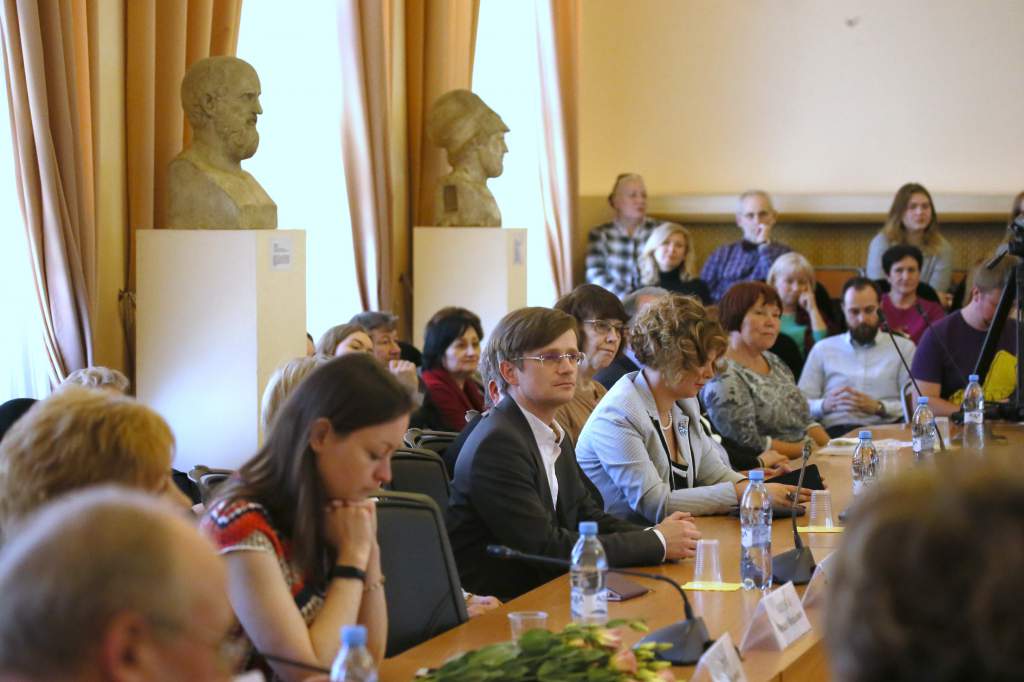
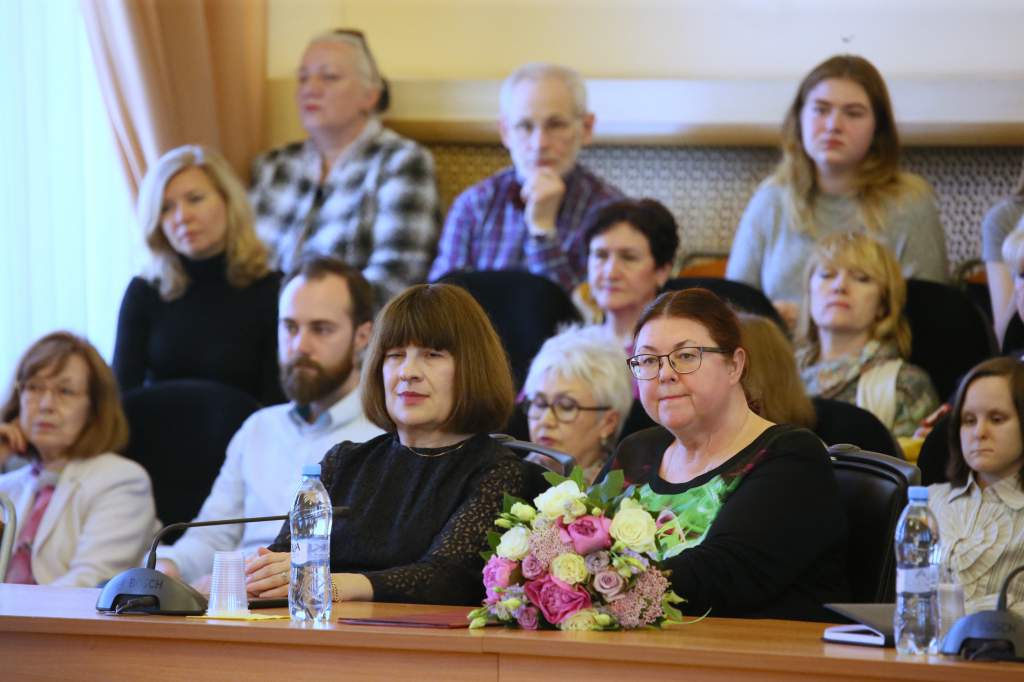
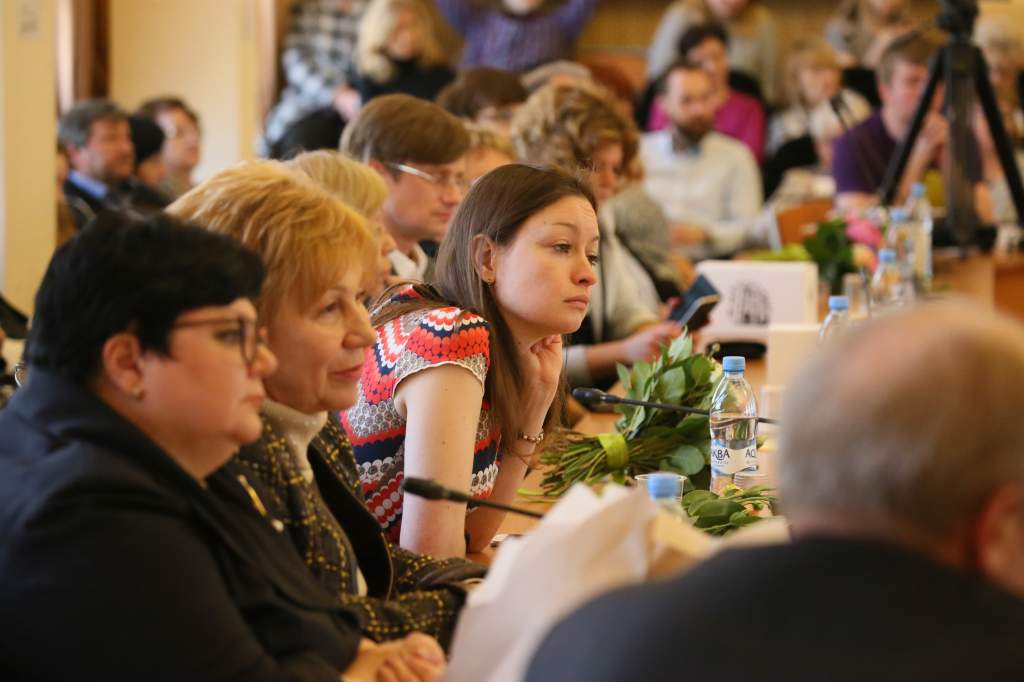
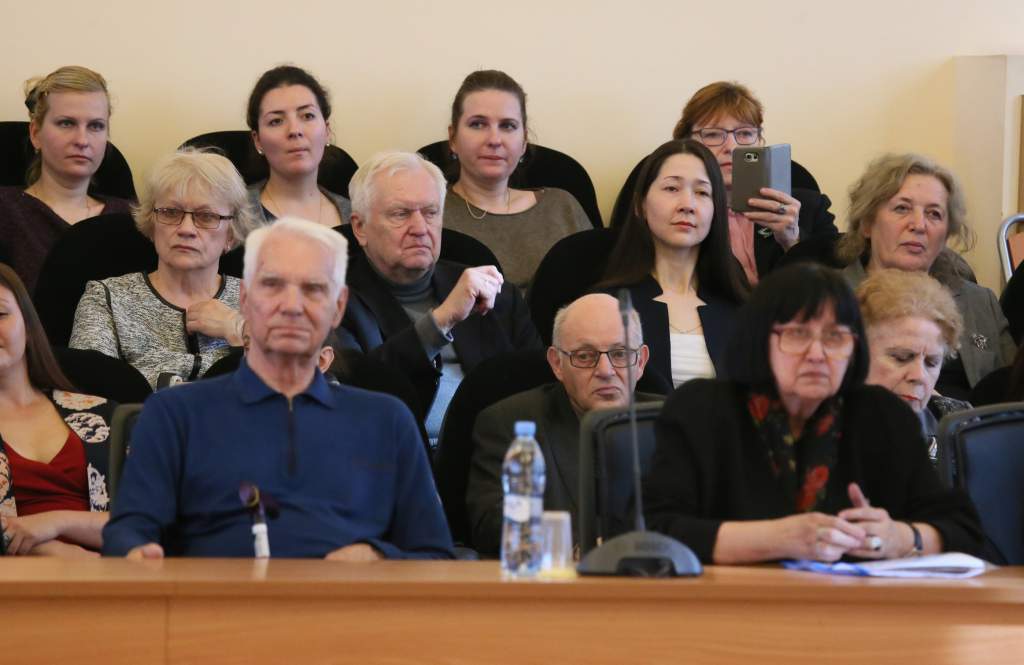
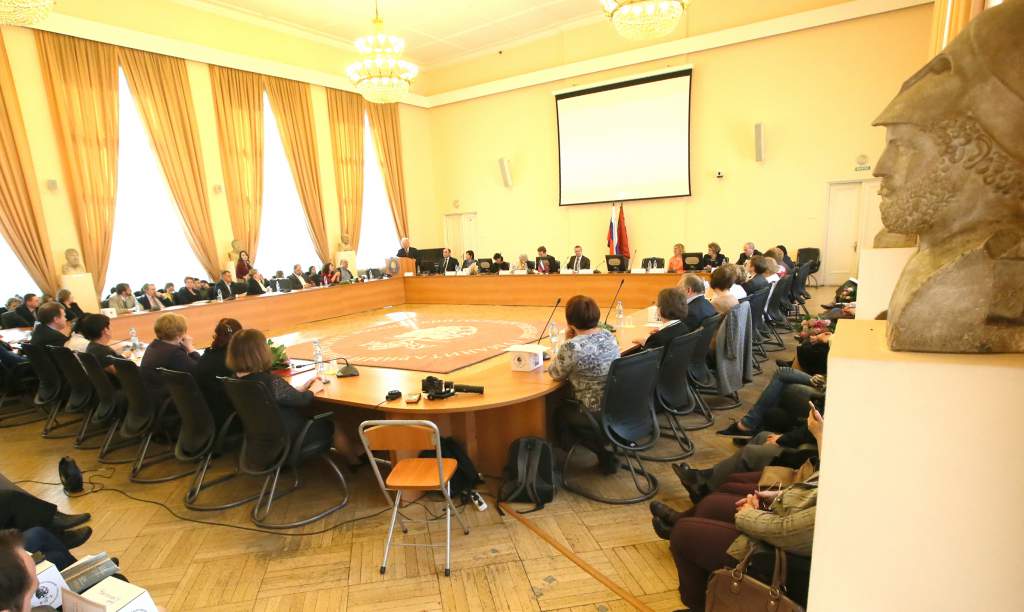
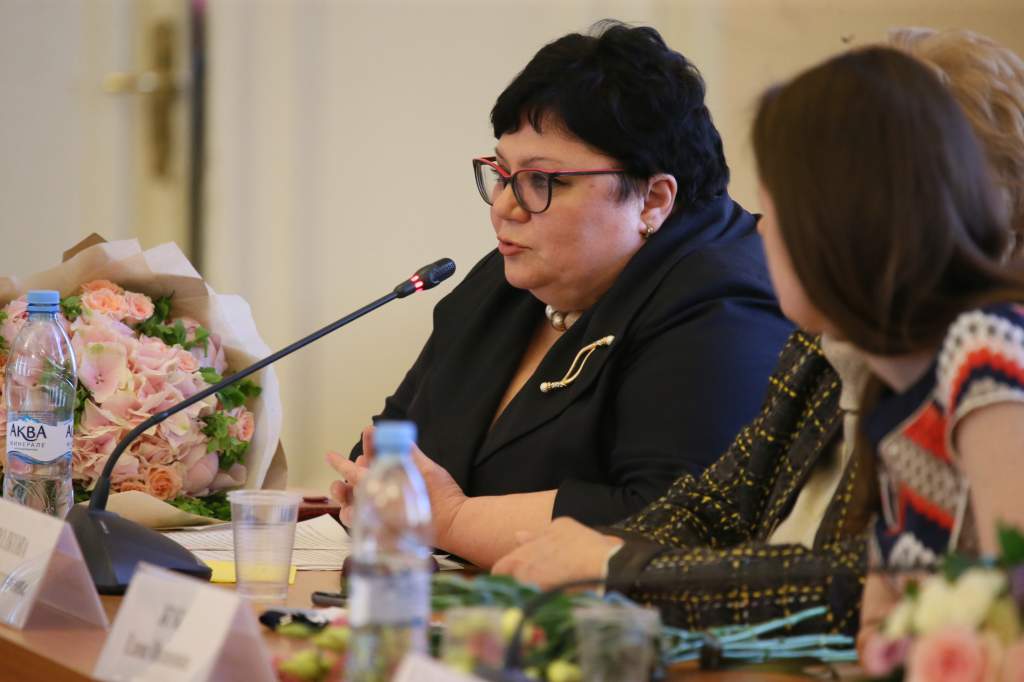
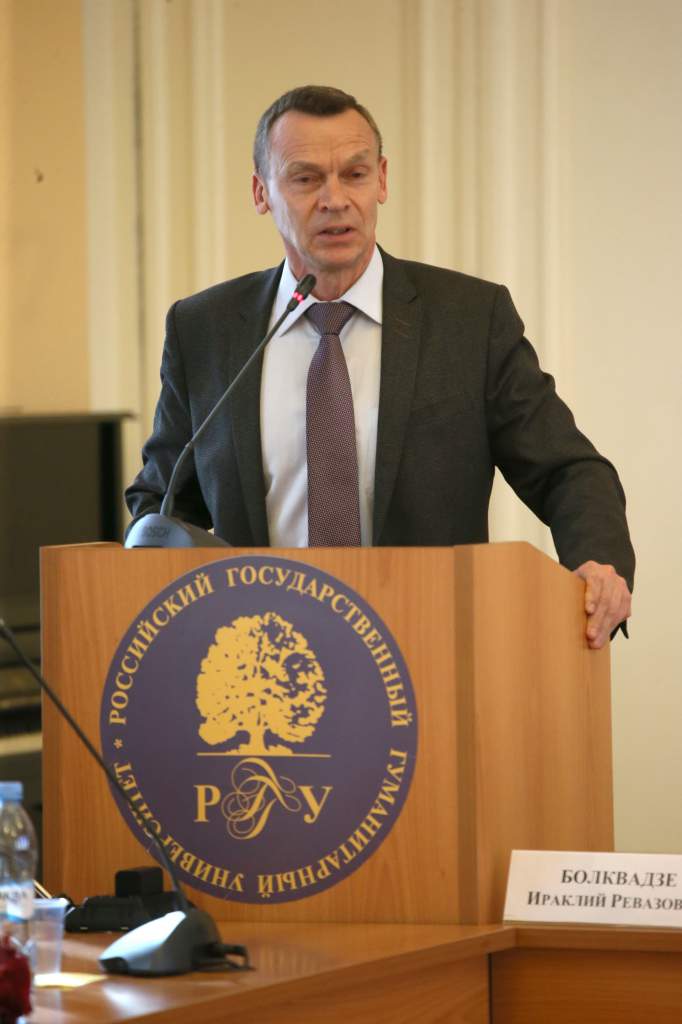
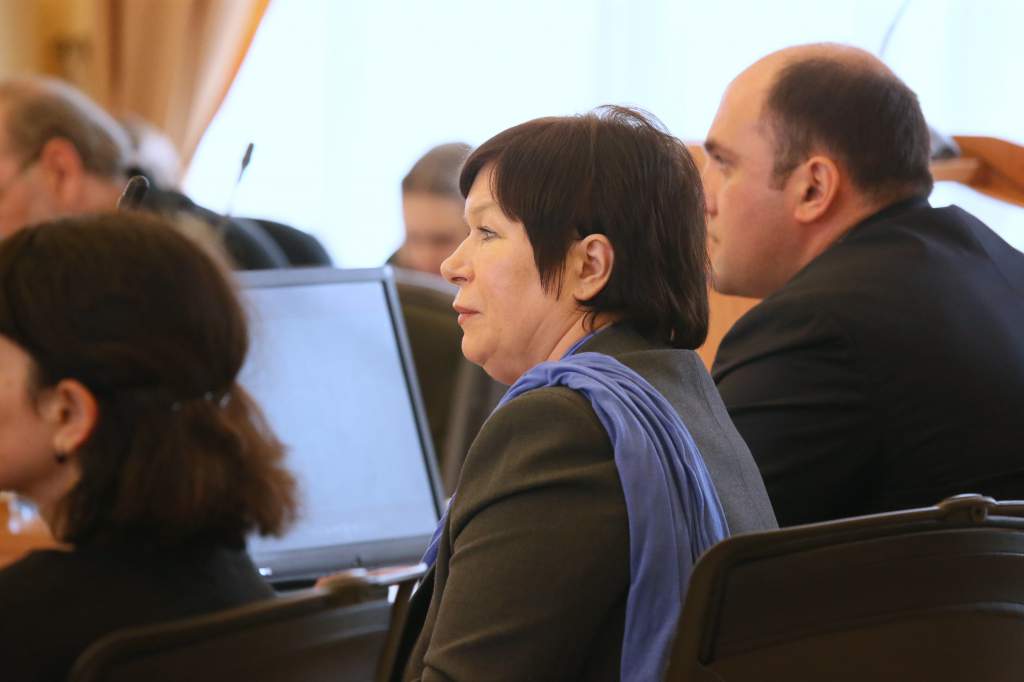
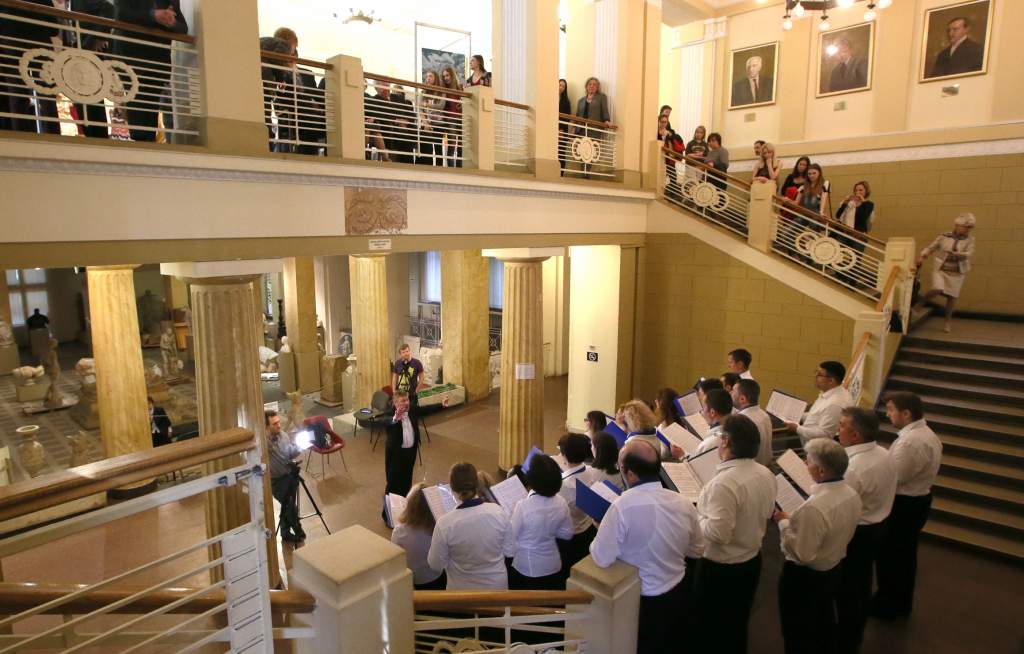
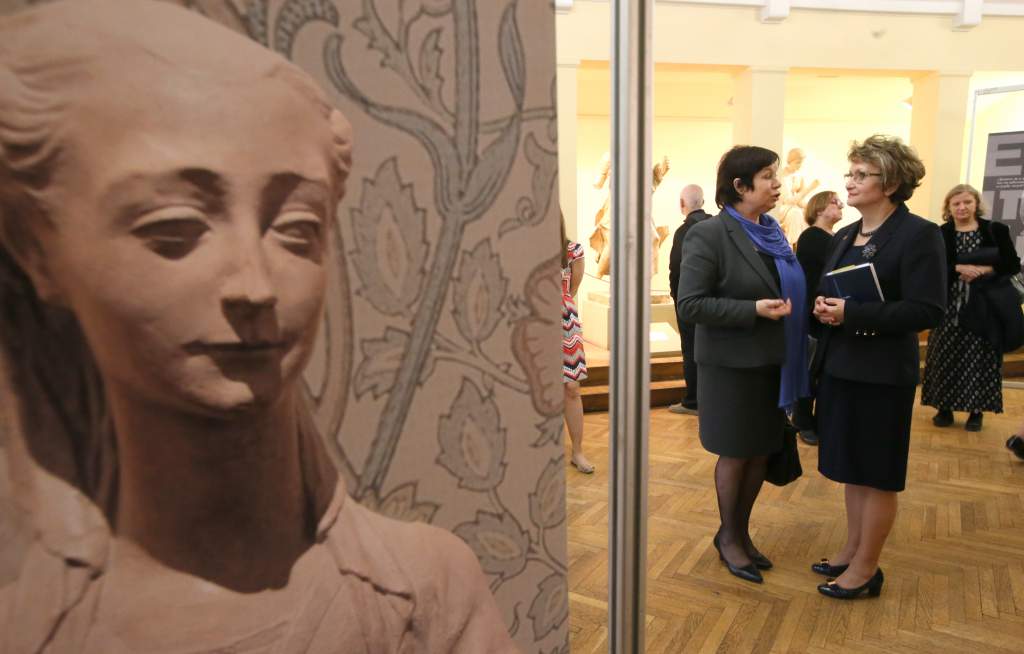
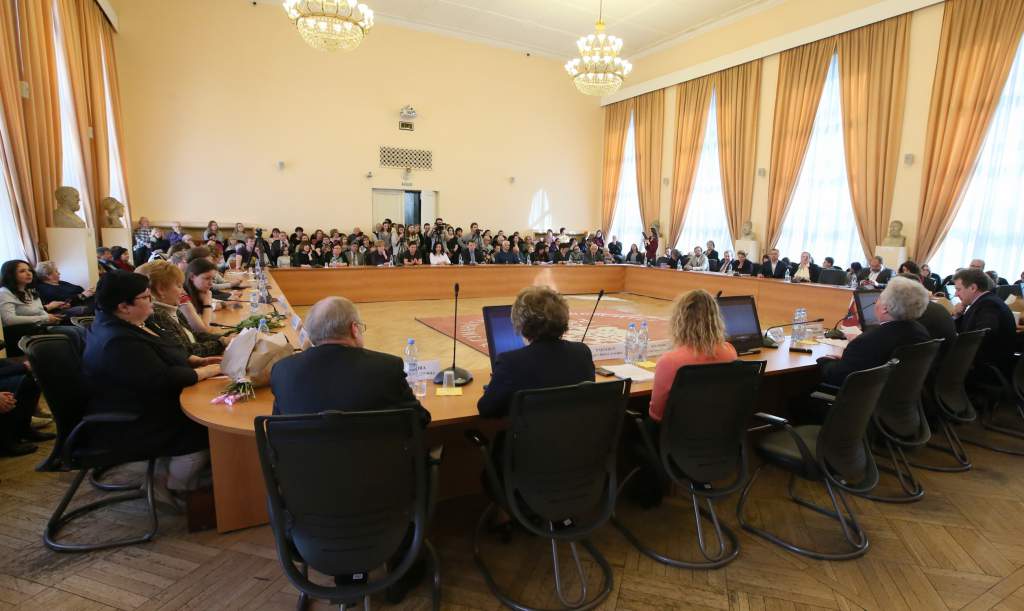
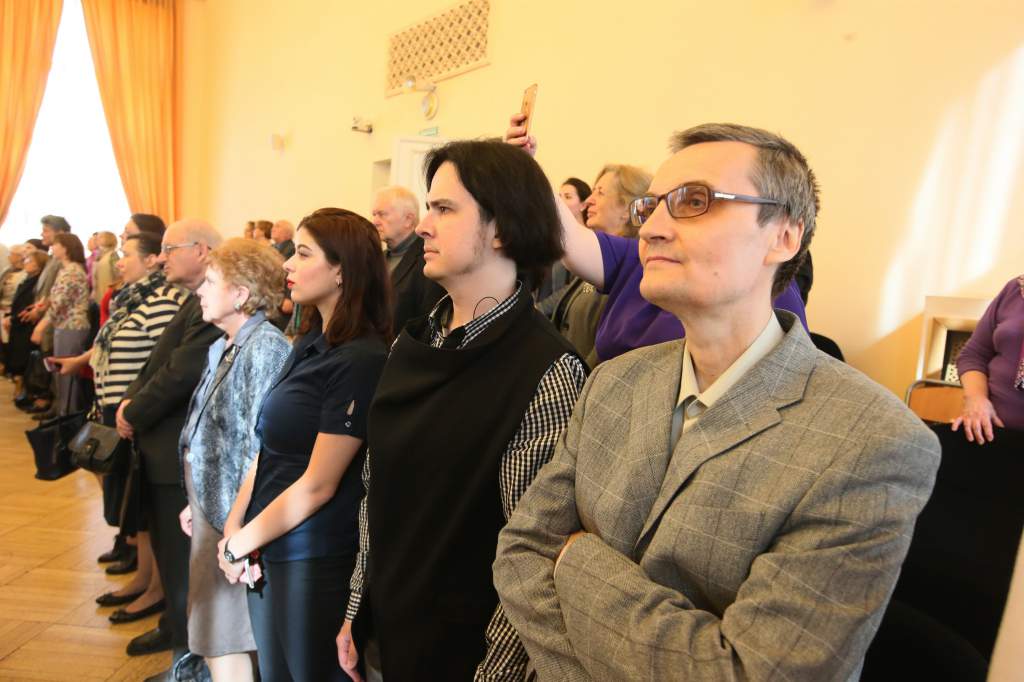
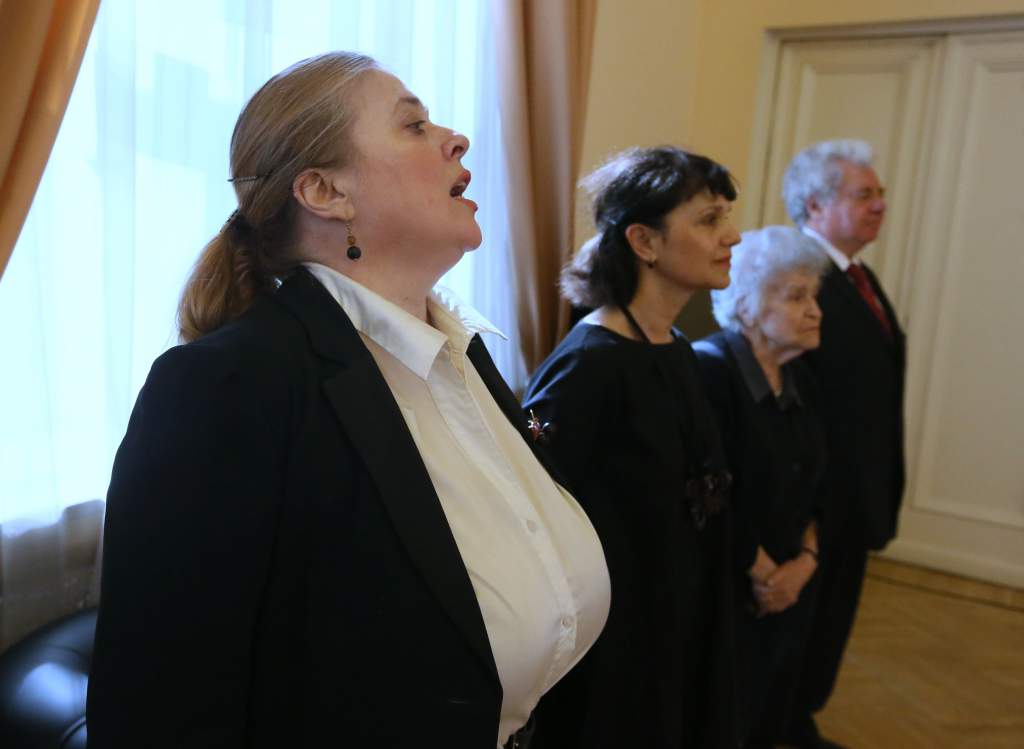
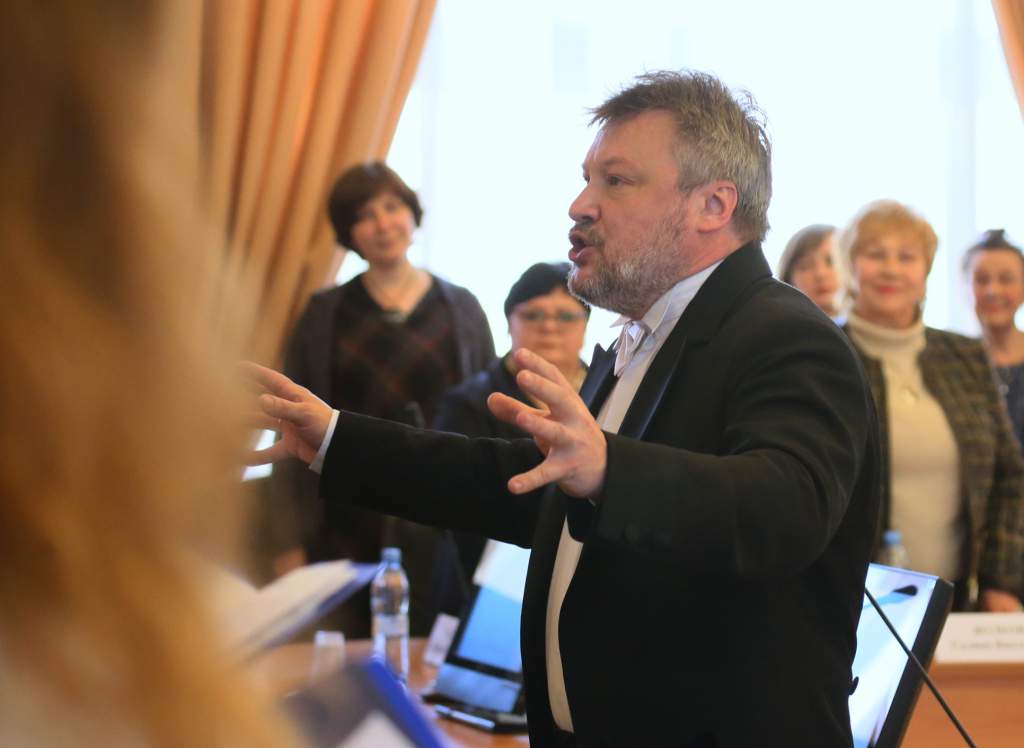
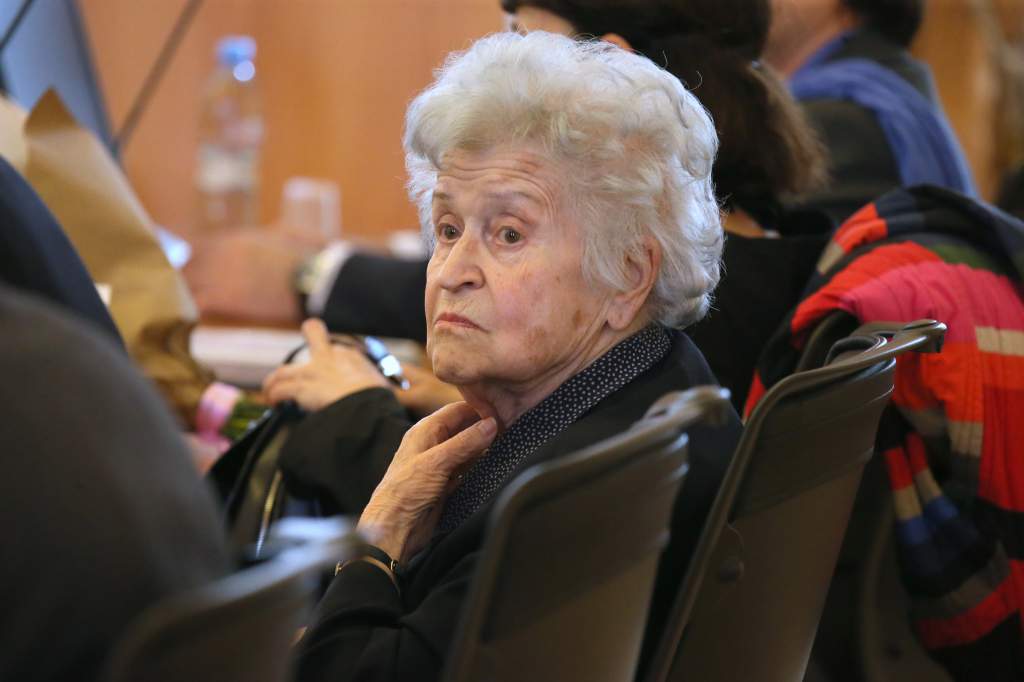
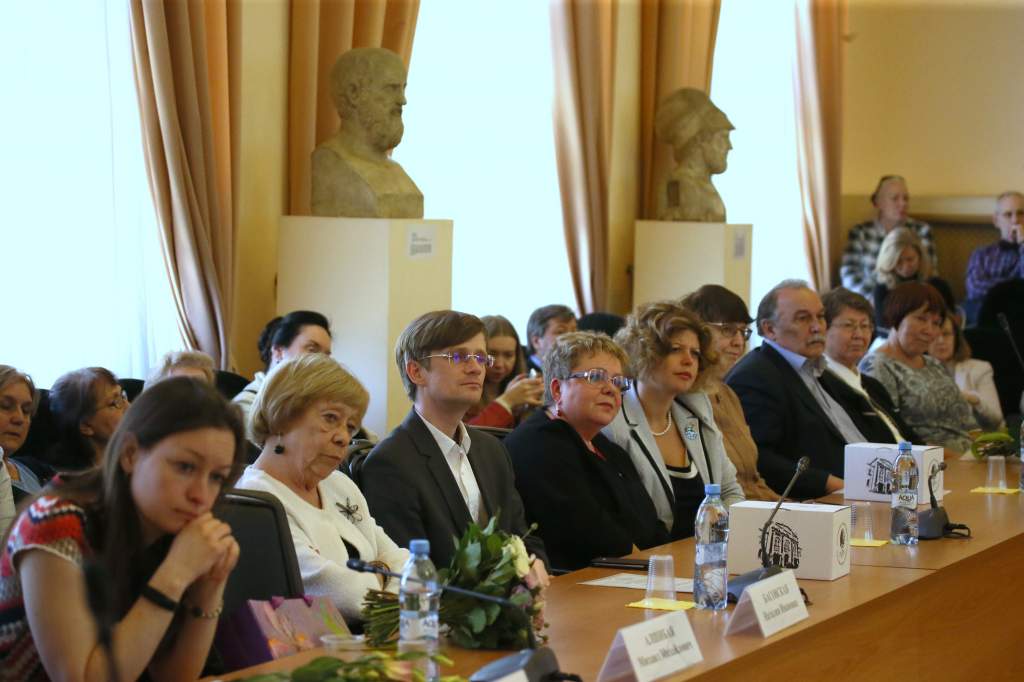
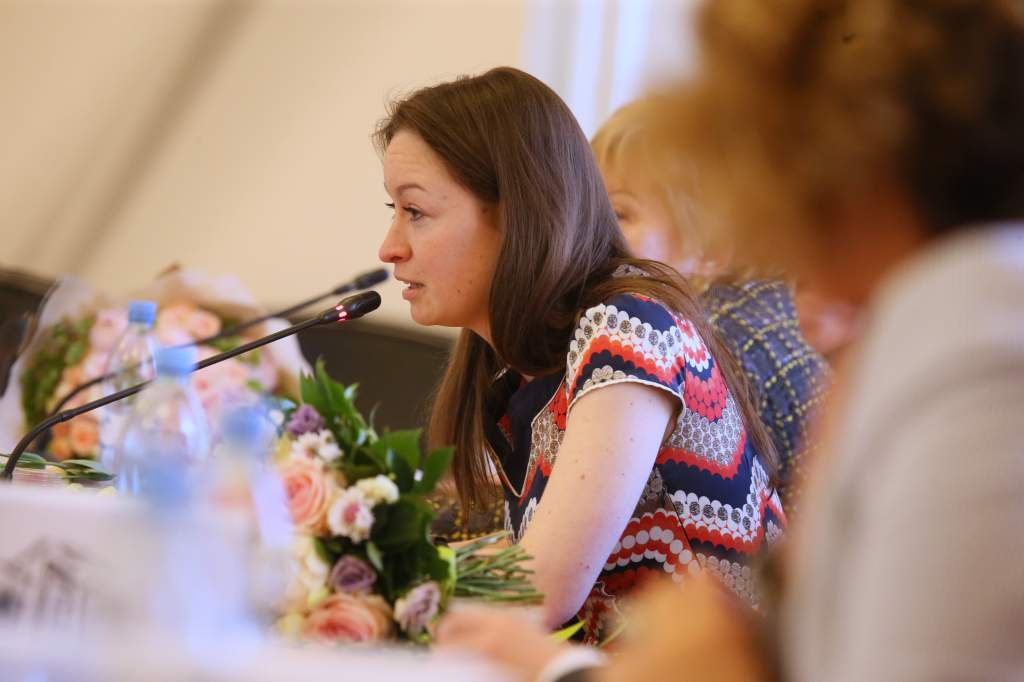
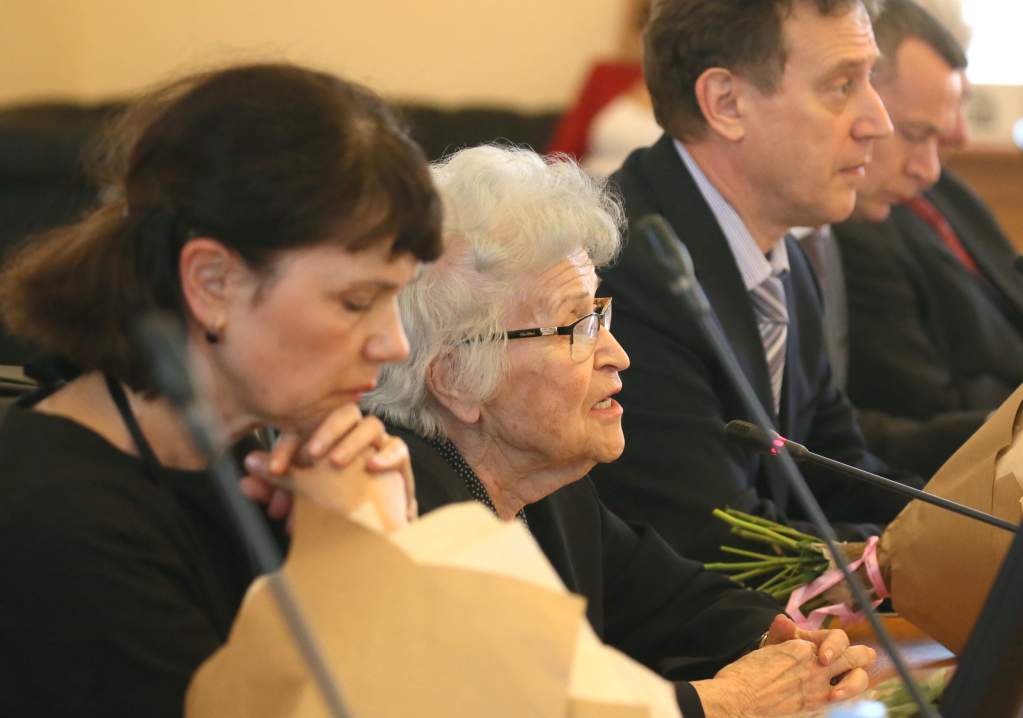
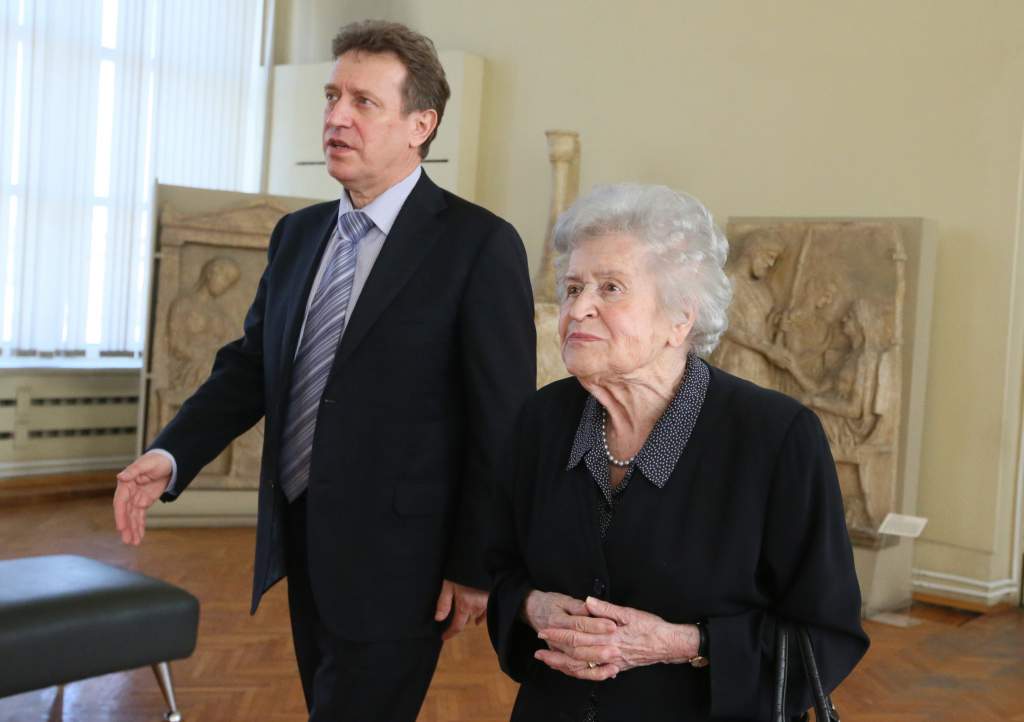
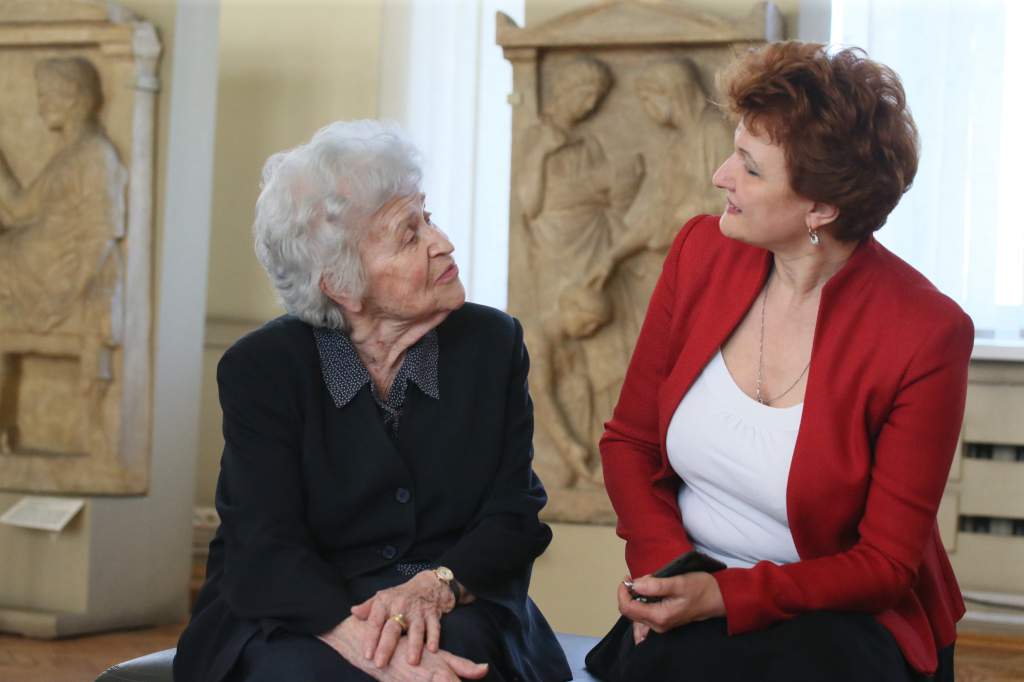
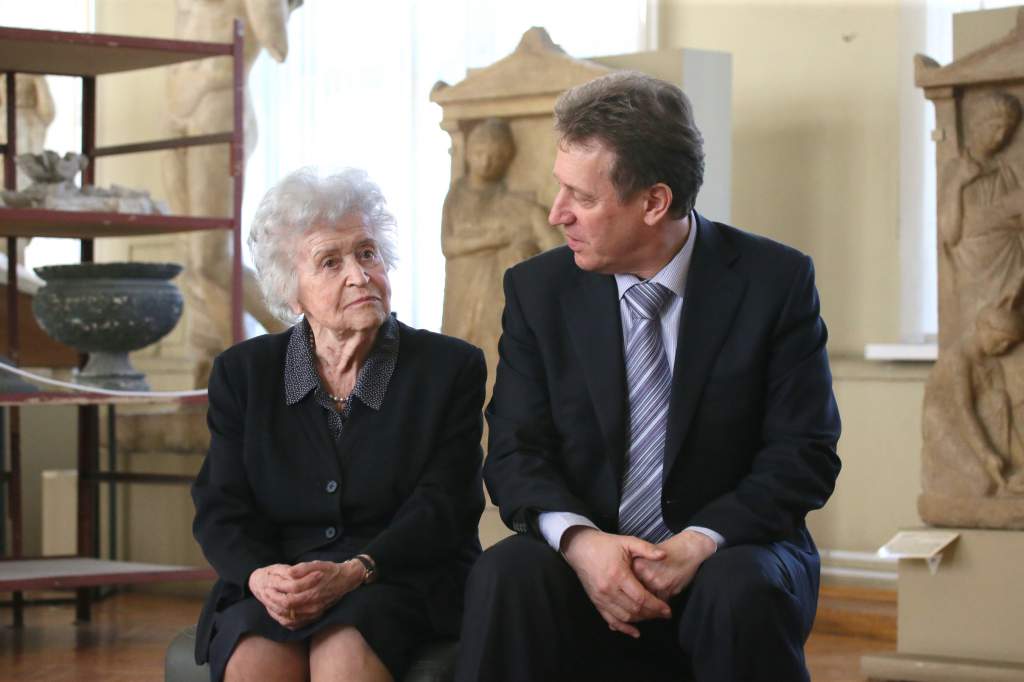
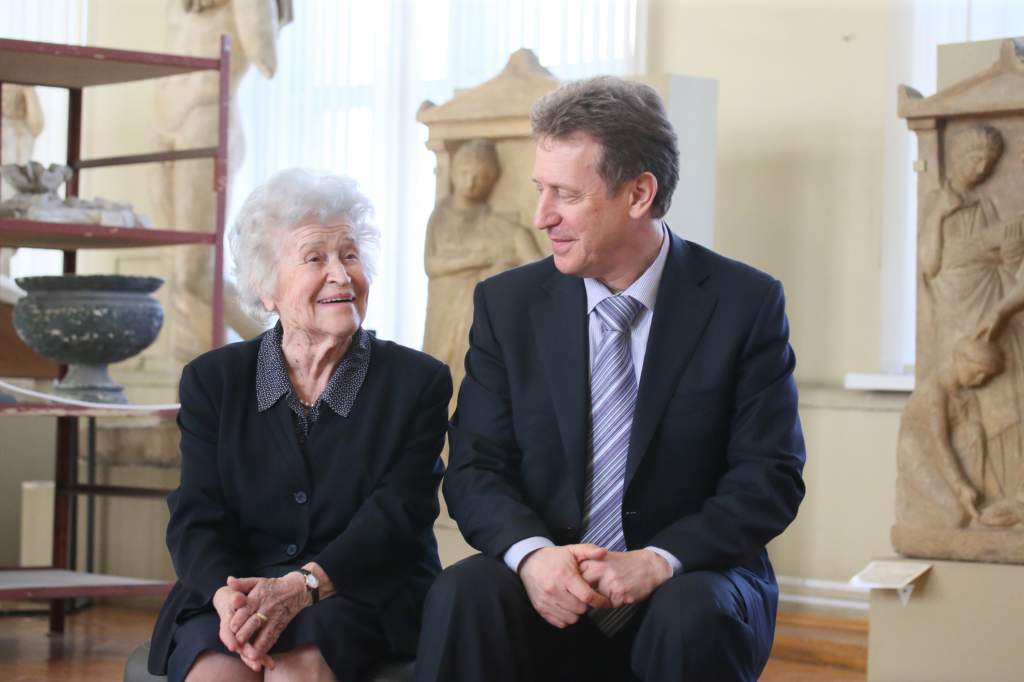
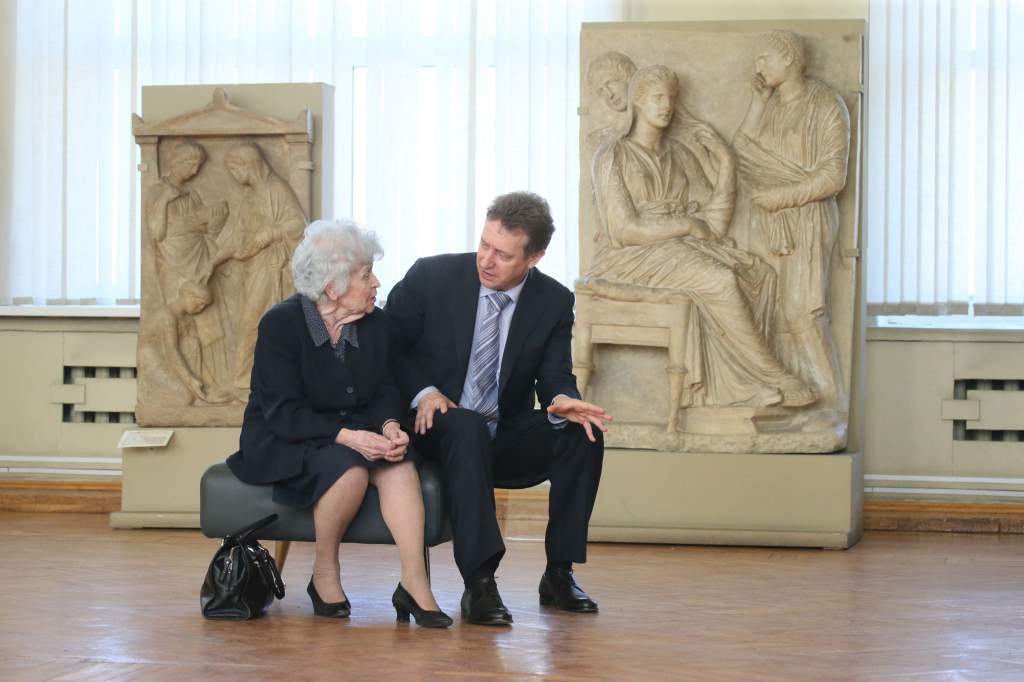
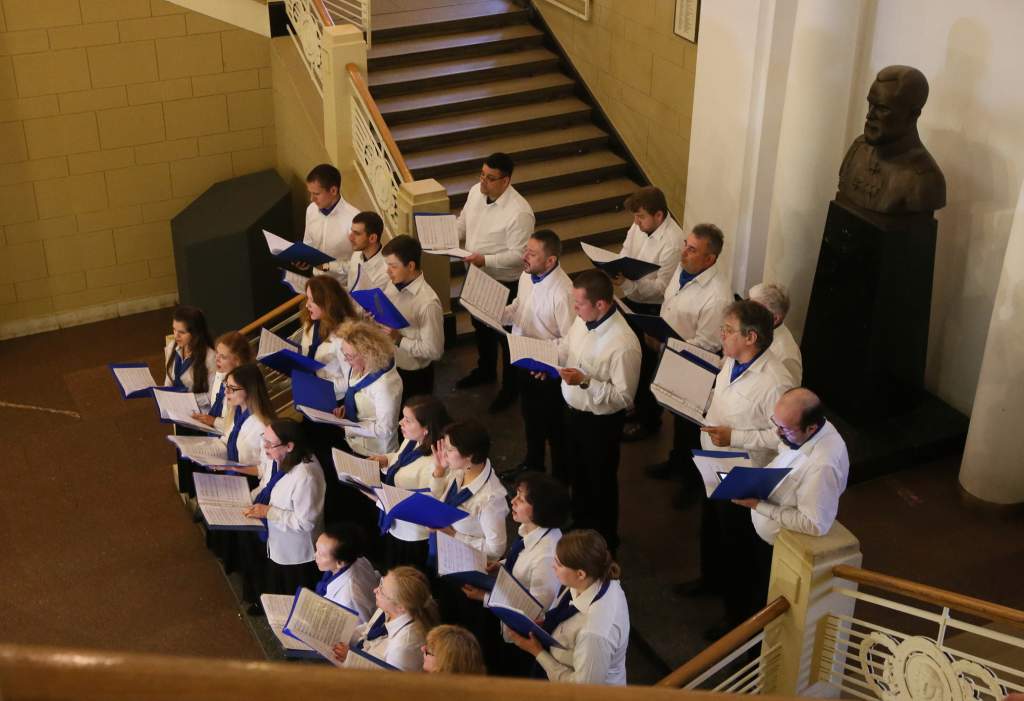
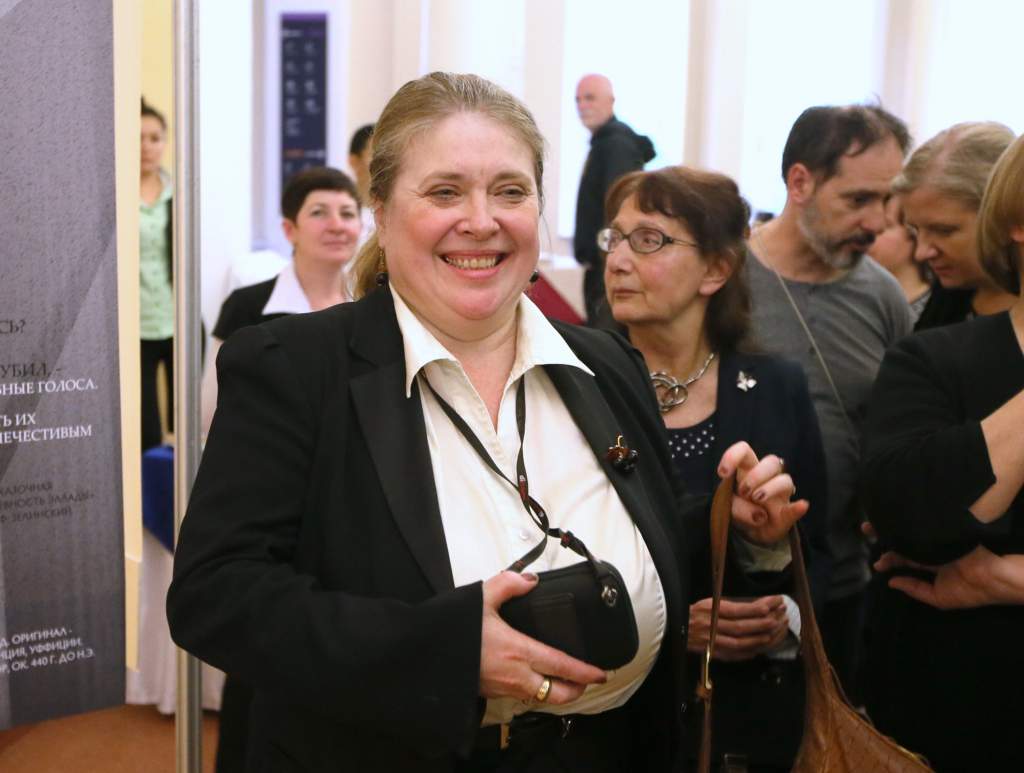
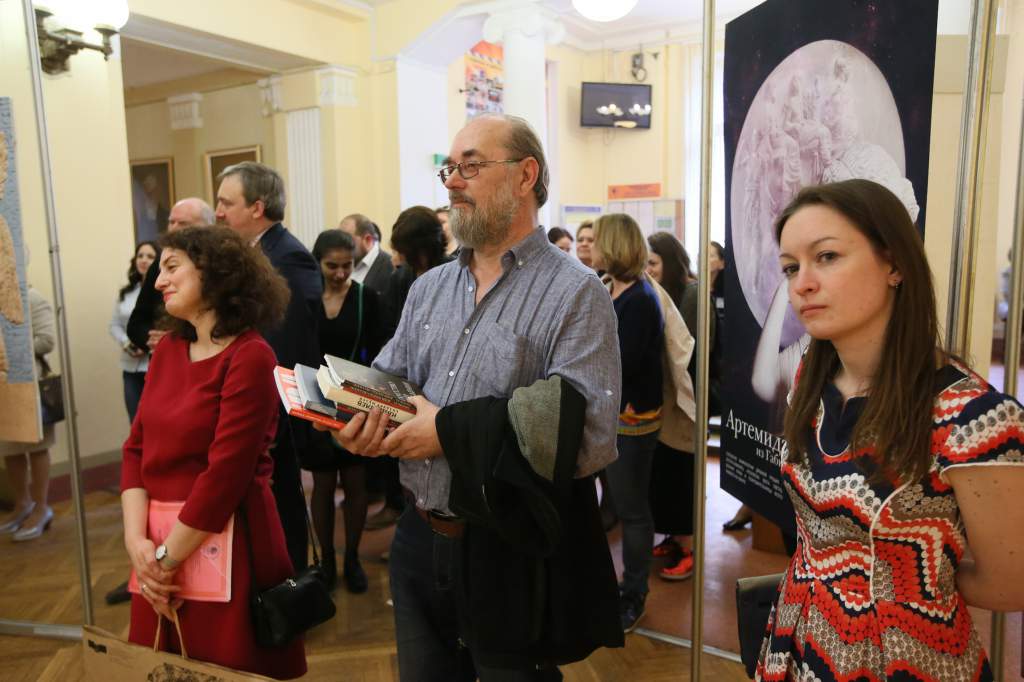
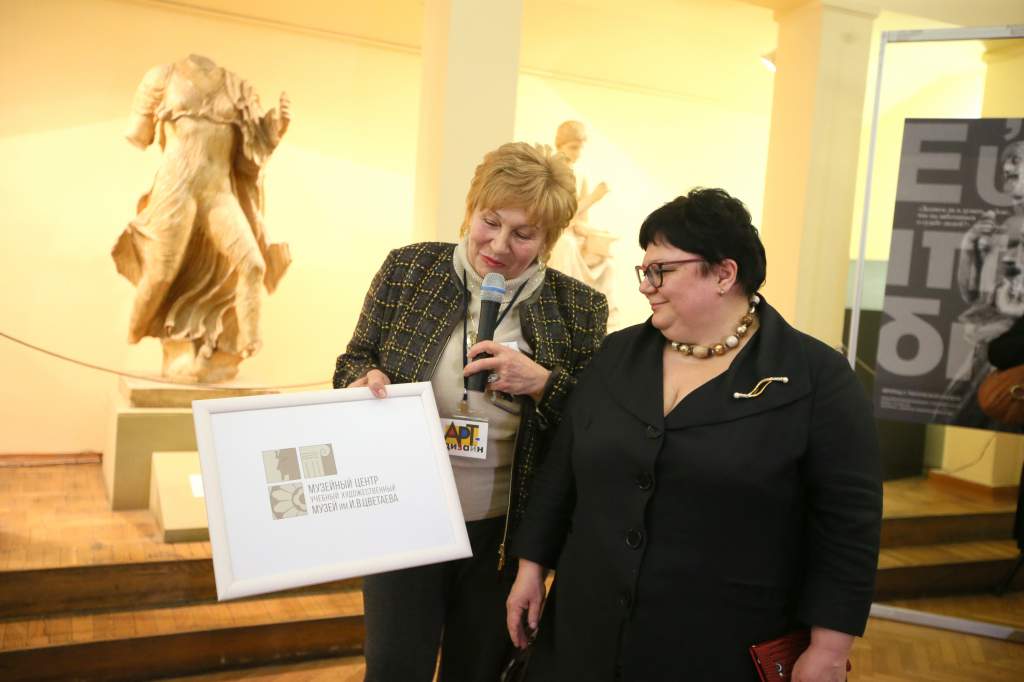
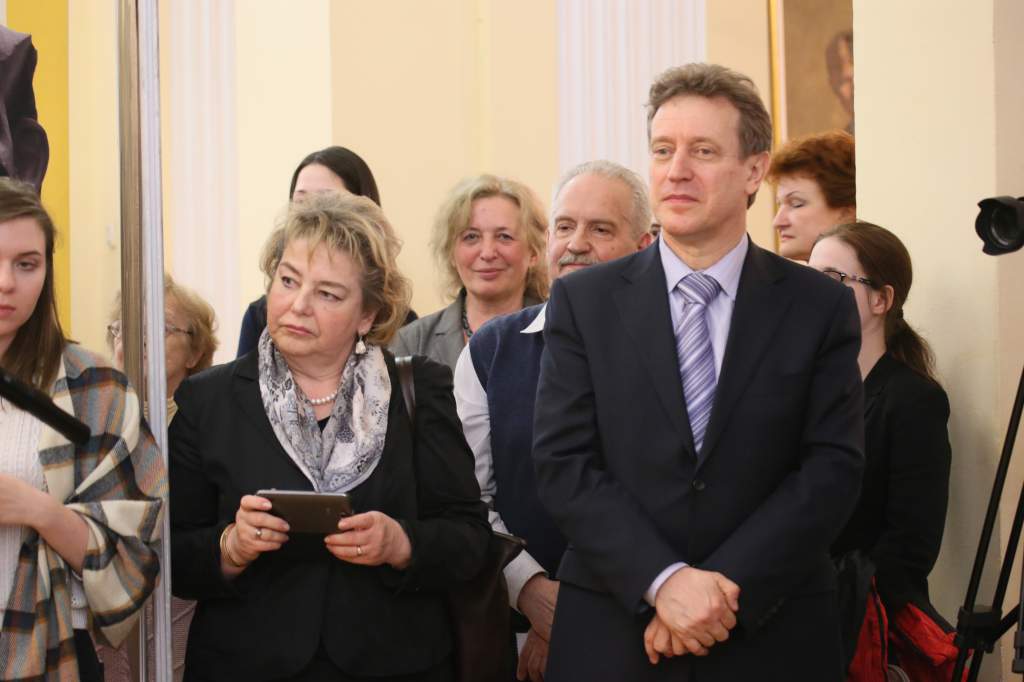
The event took place May 22. The Museum is a branch of the Pushkin State Museum of Fine Arts and houses a collection of copies of monuments and statues from the Ancient Orient, Classical times, the Middle Ages and the Renaissance. The Museum is a unique joint project between the University and a museum of world renown. It is a practical research platform that contributes to the system of educating through art.
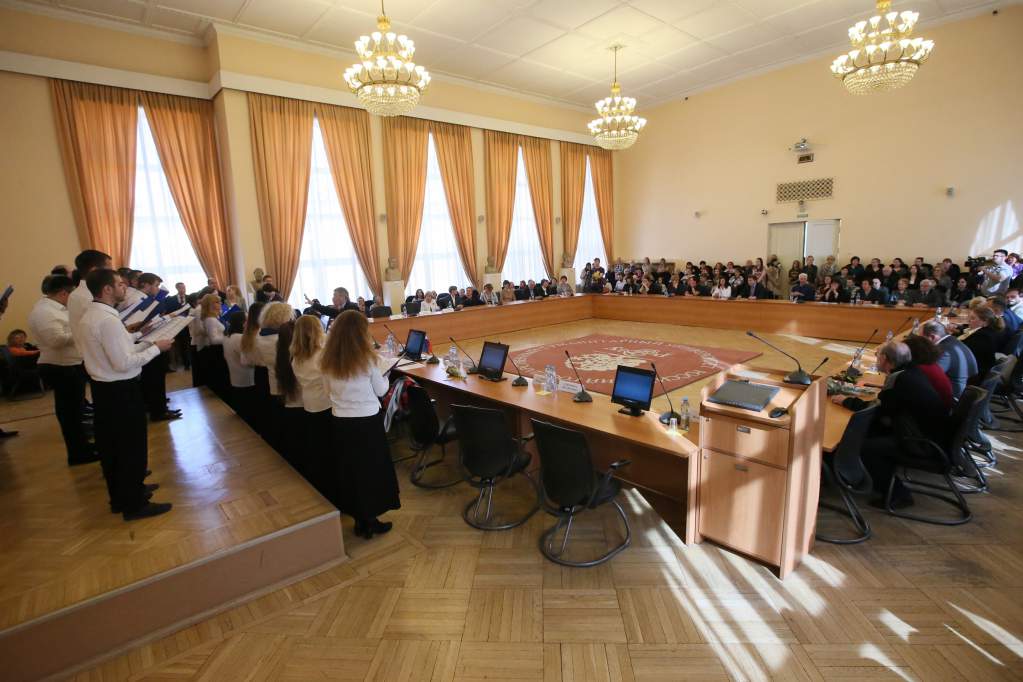
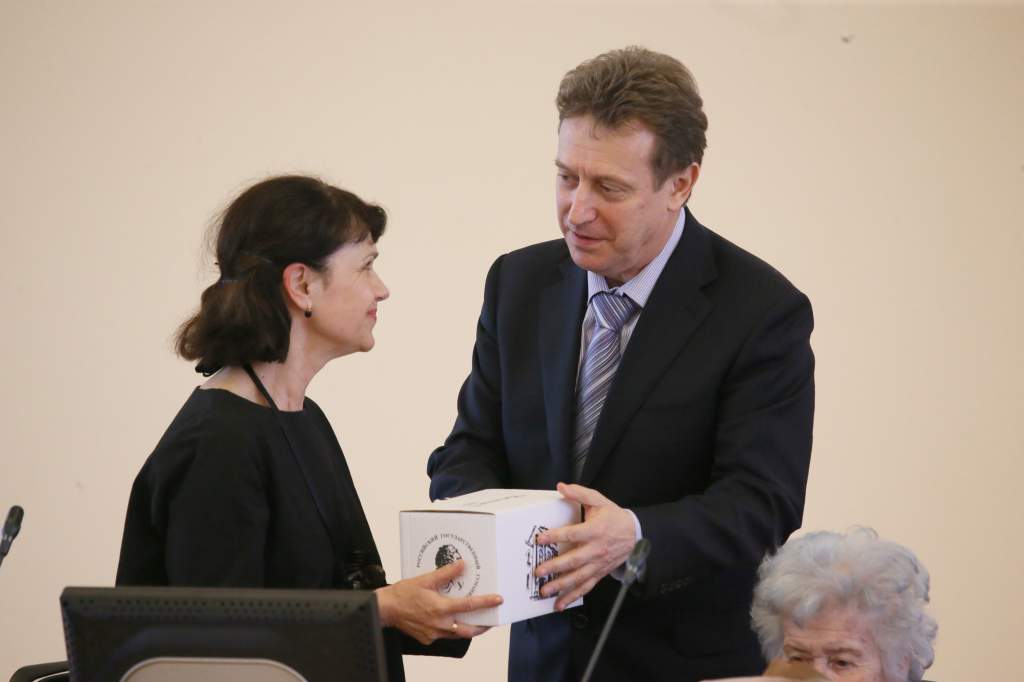
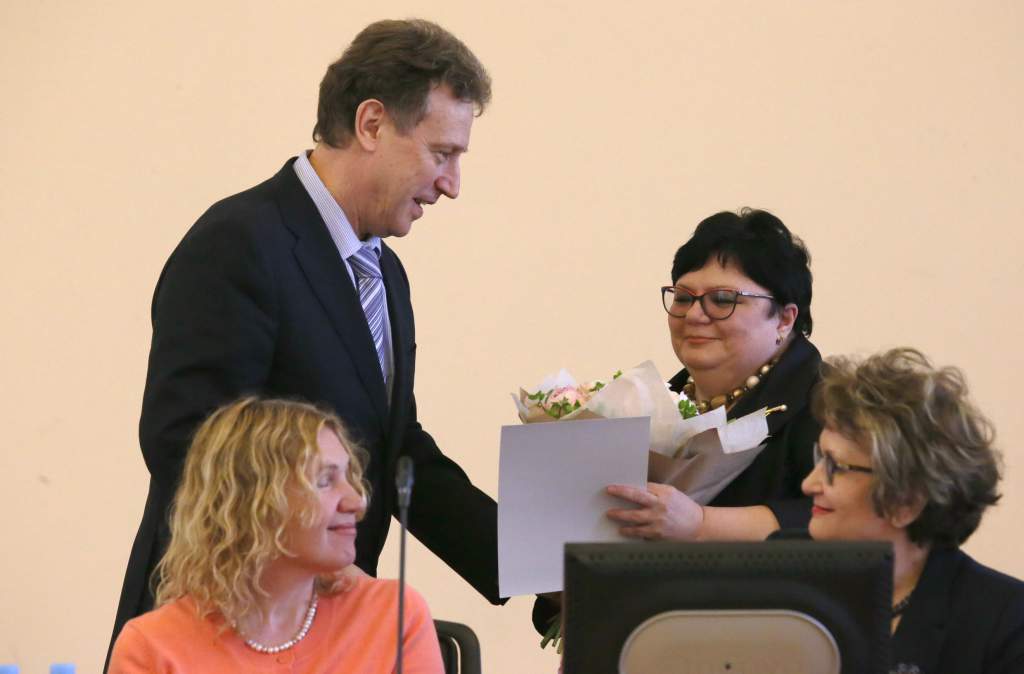
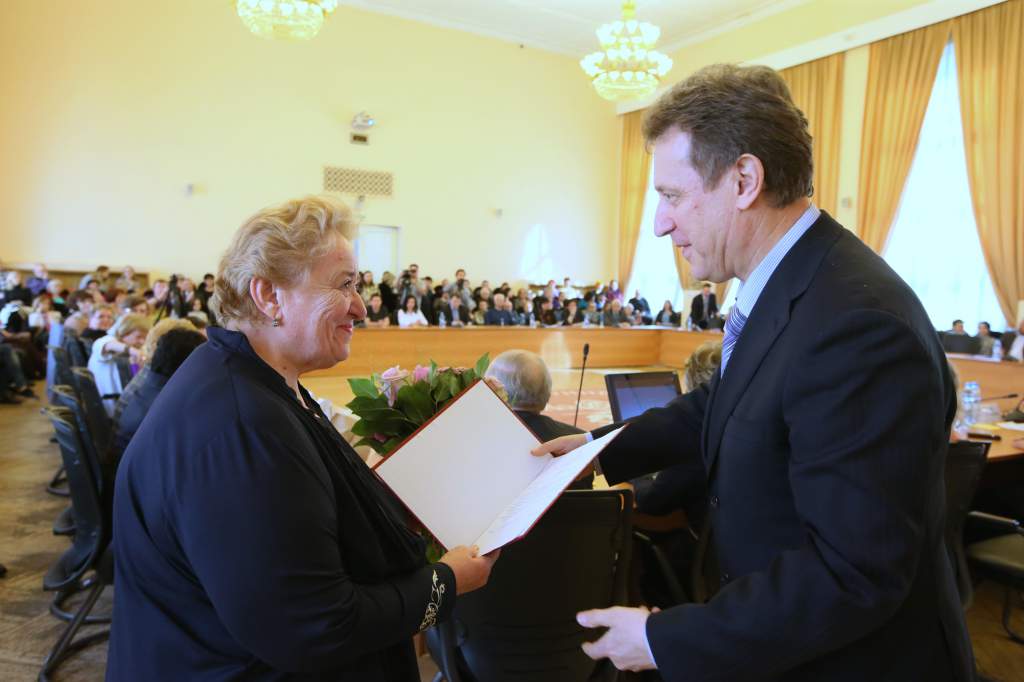
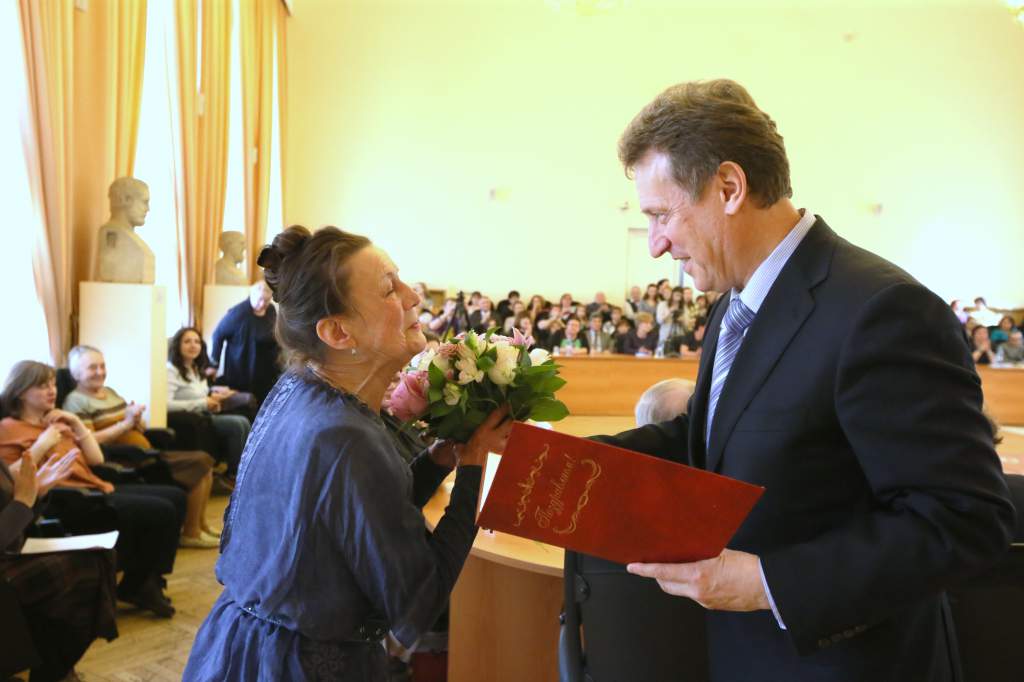
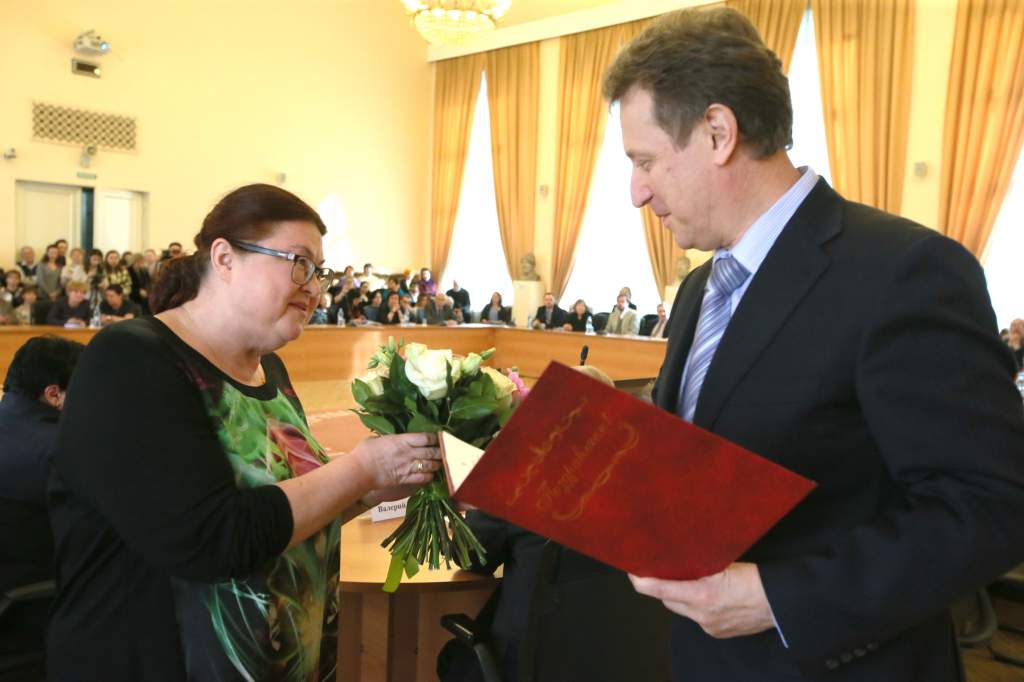
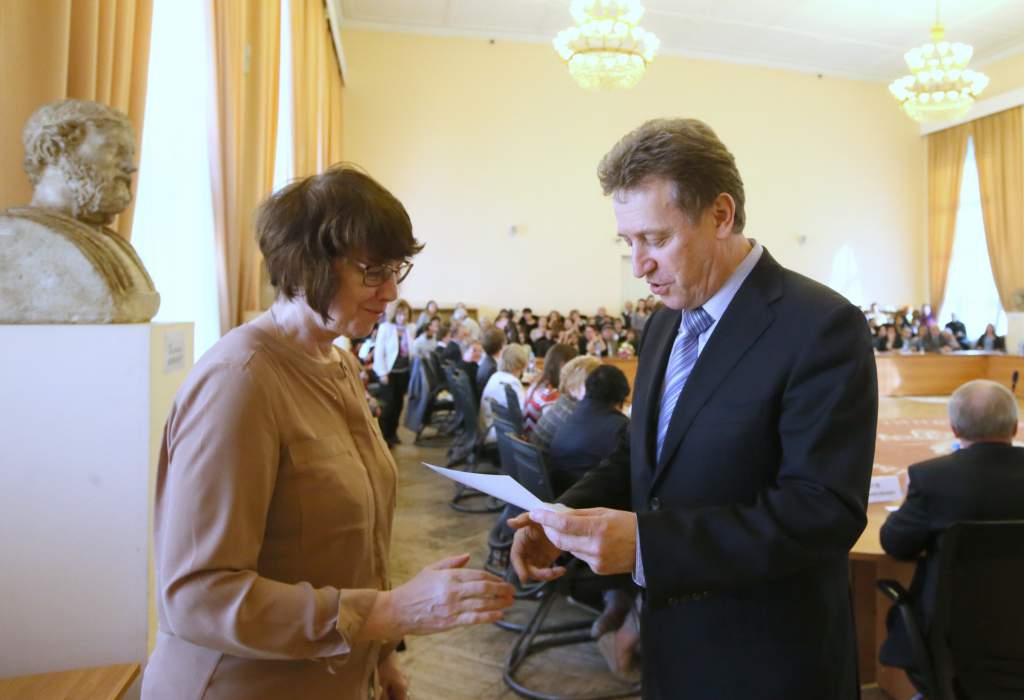
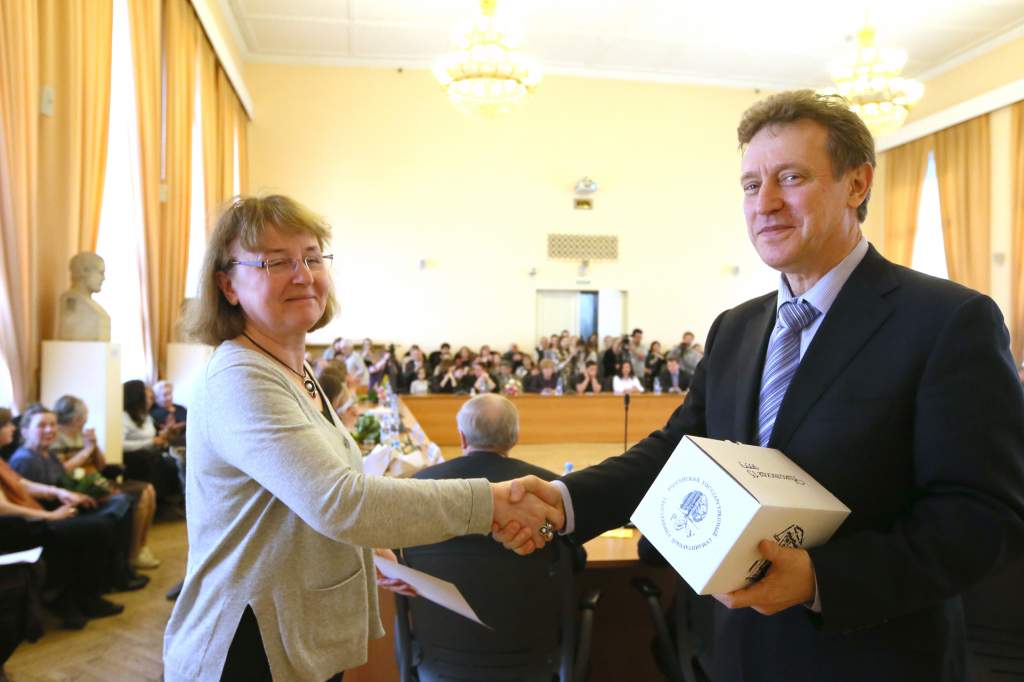
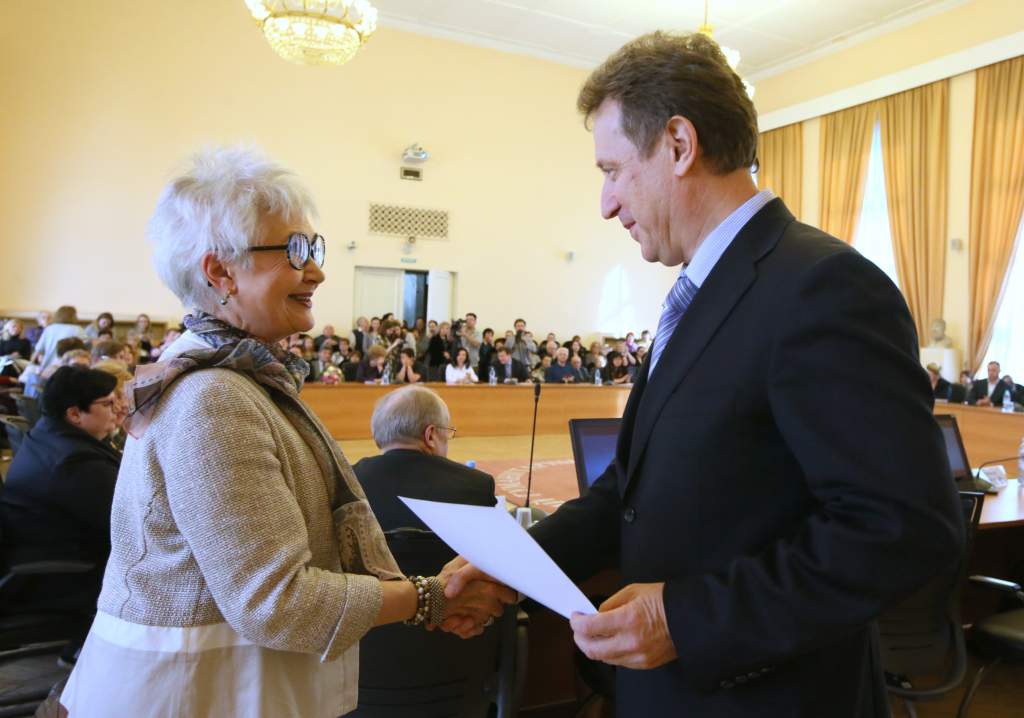
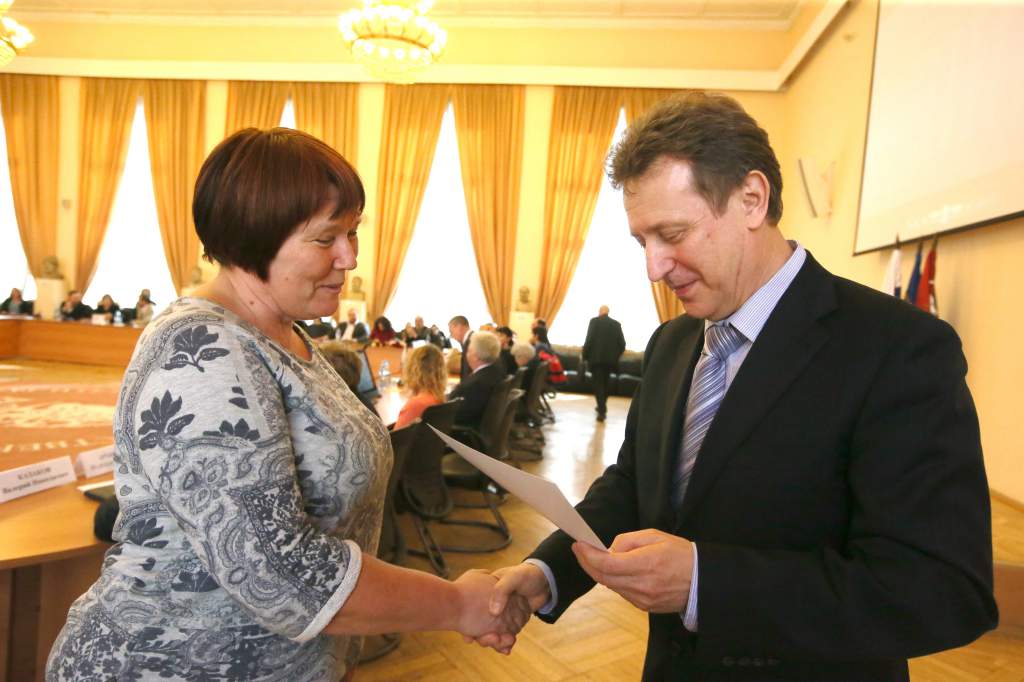
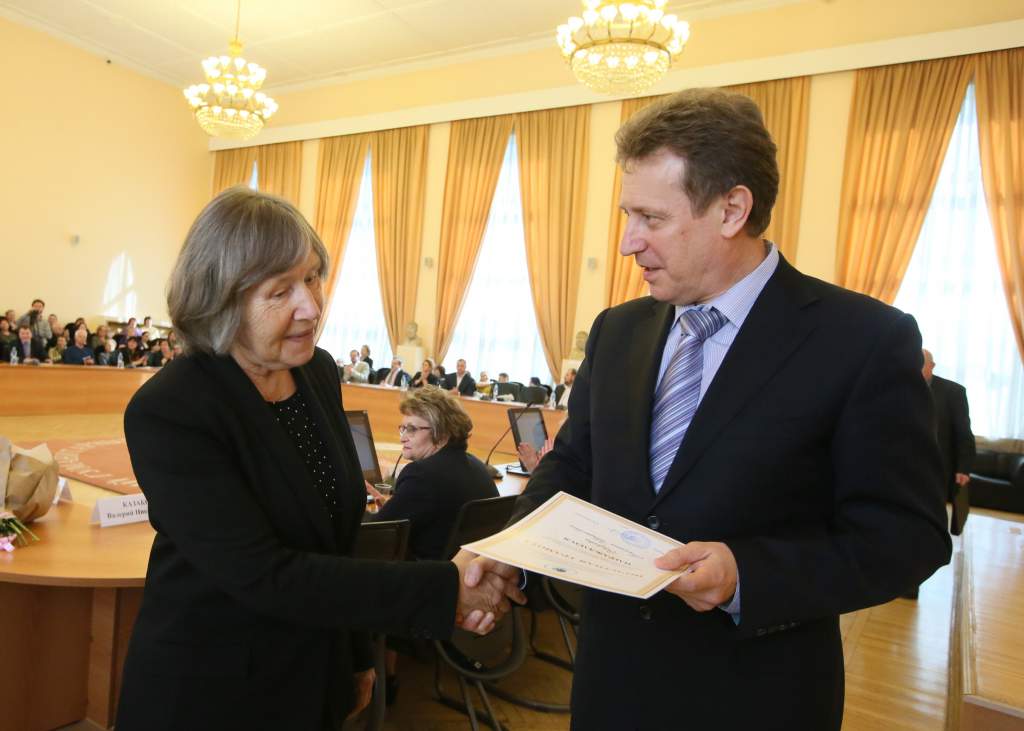
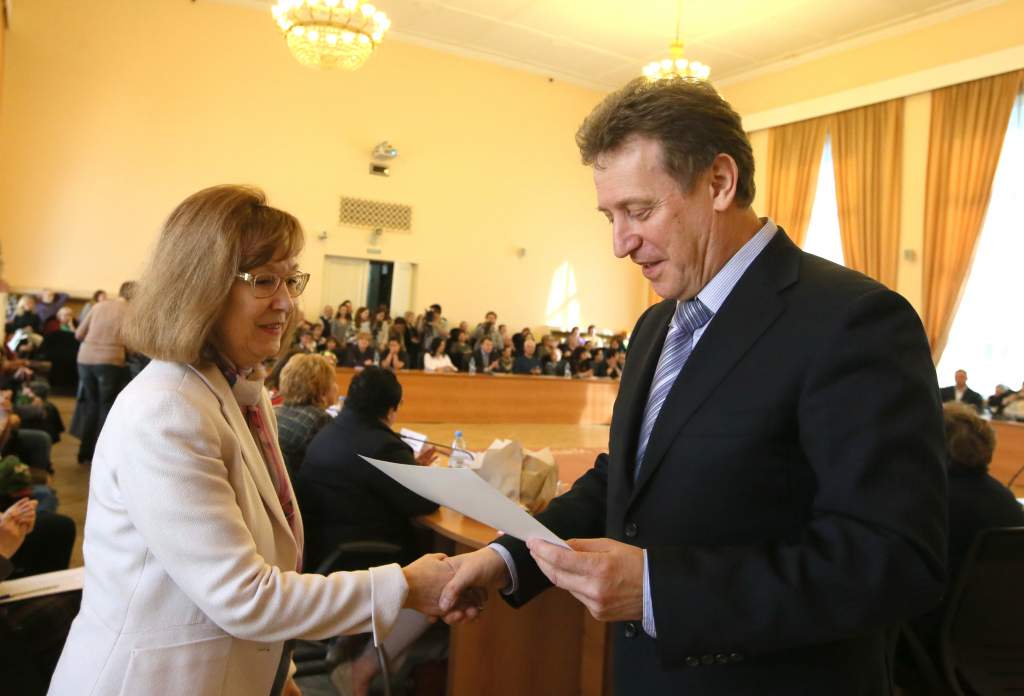
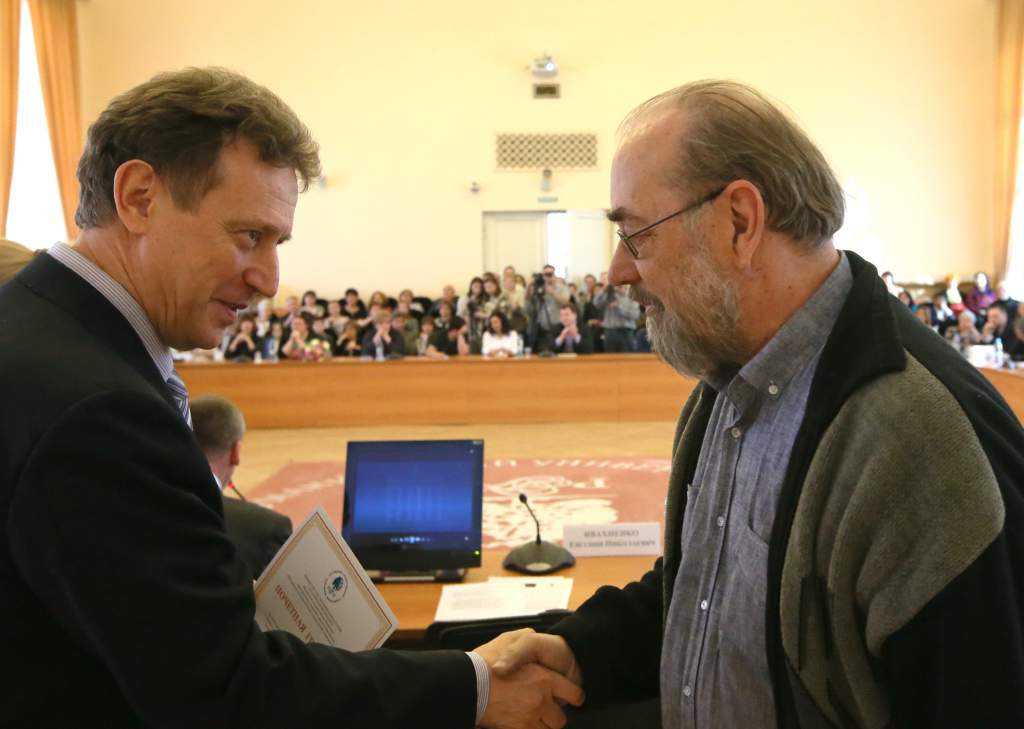
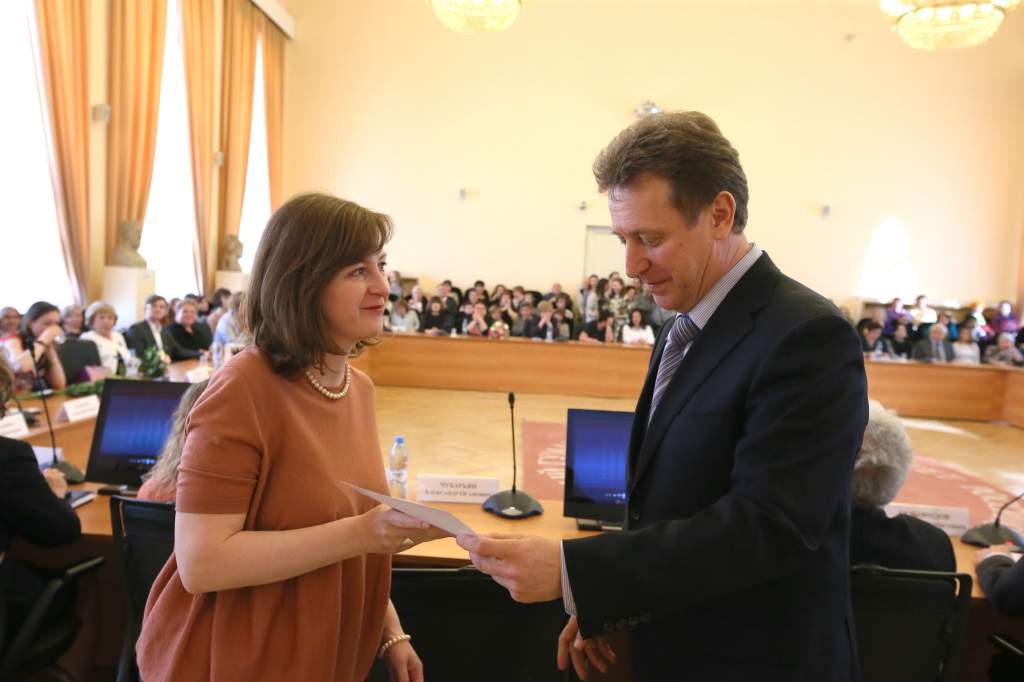
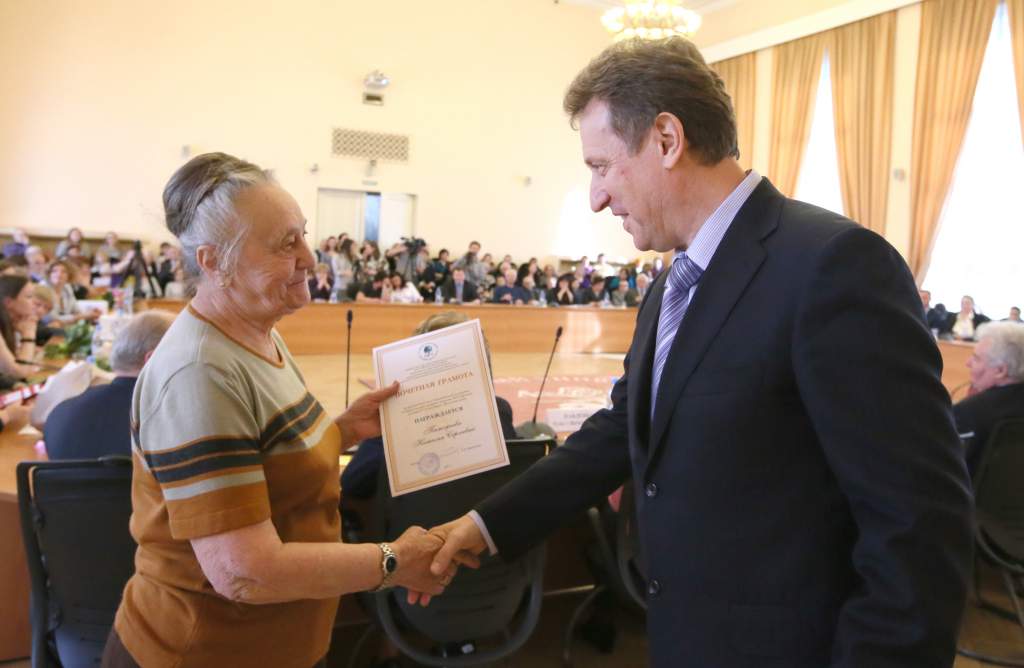
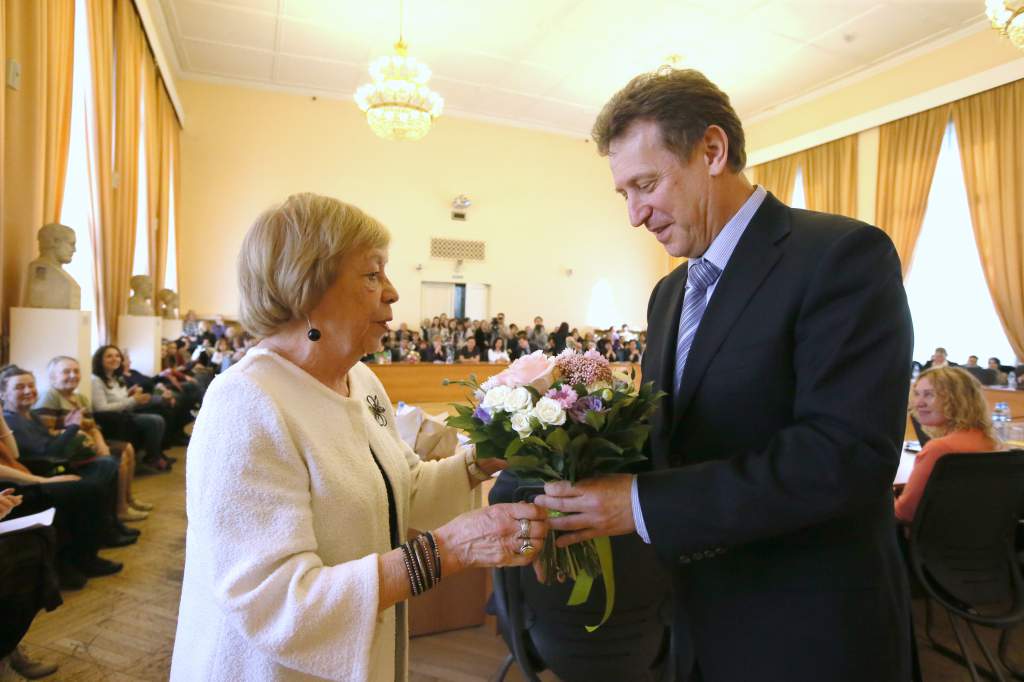
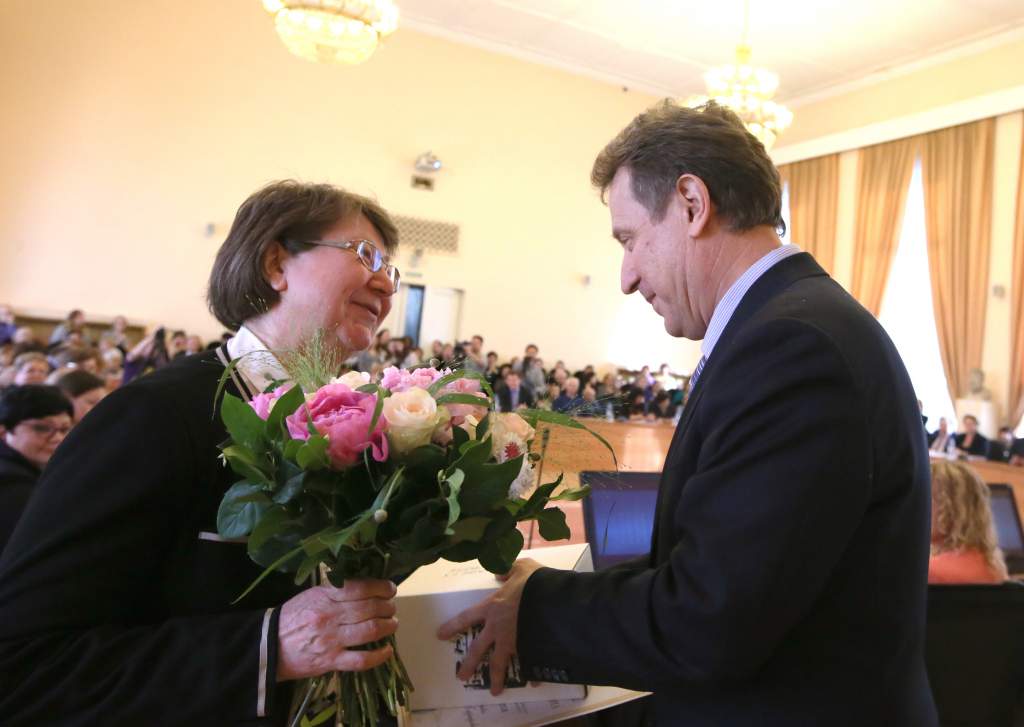
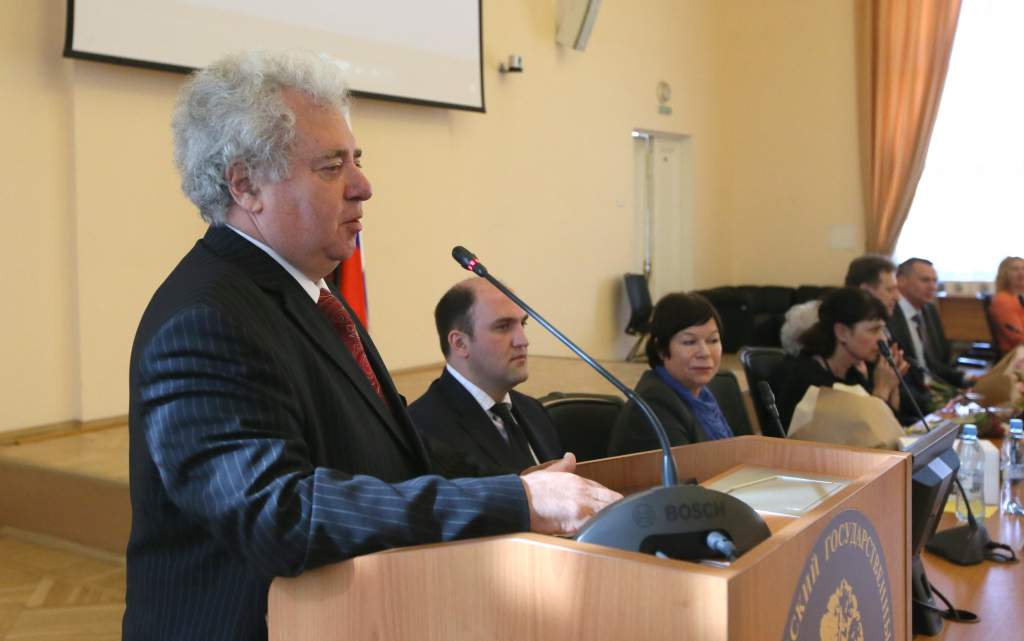
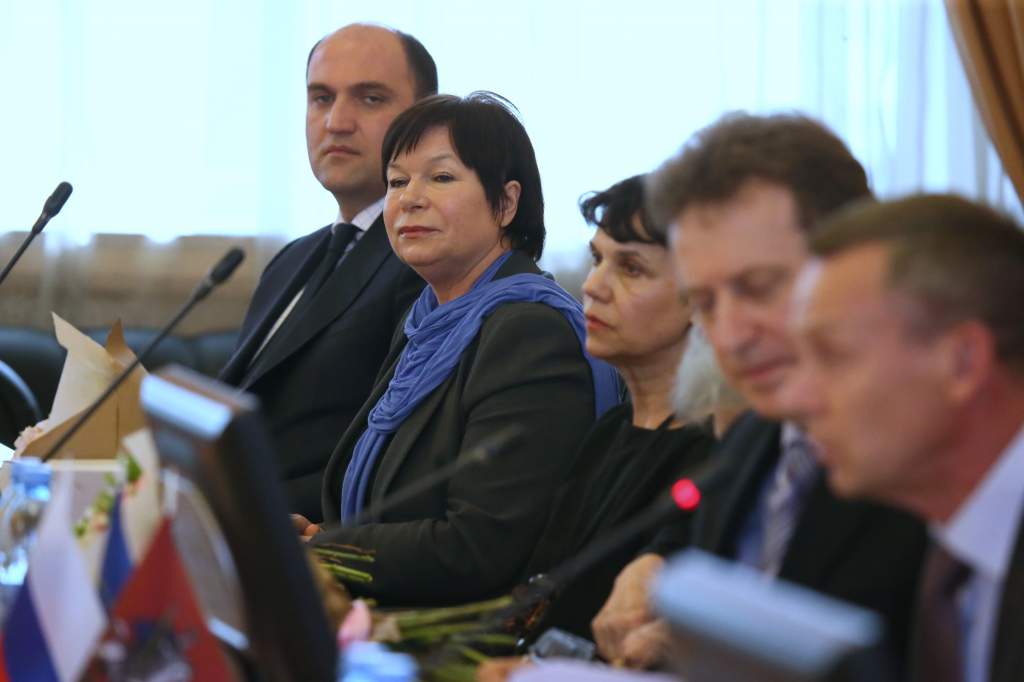
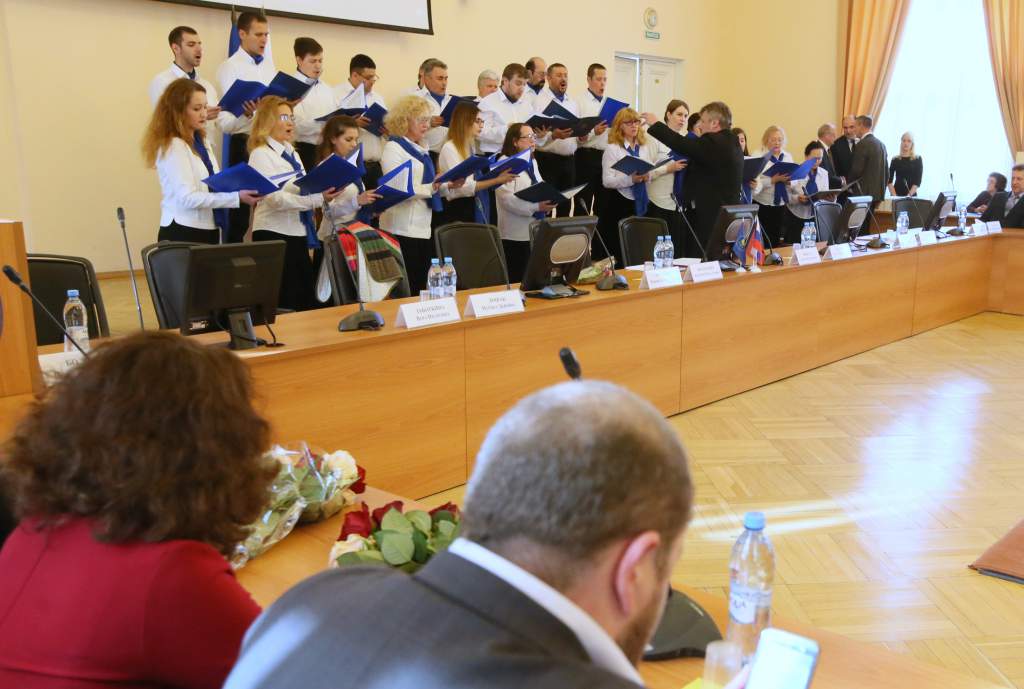
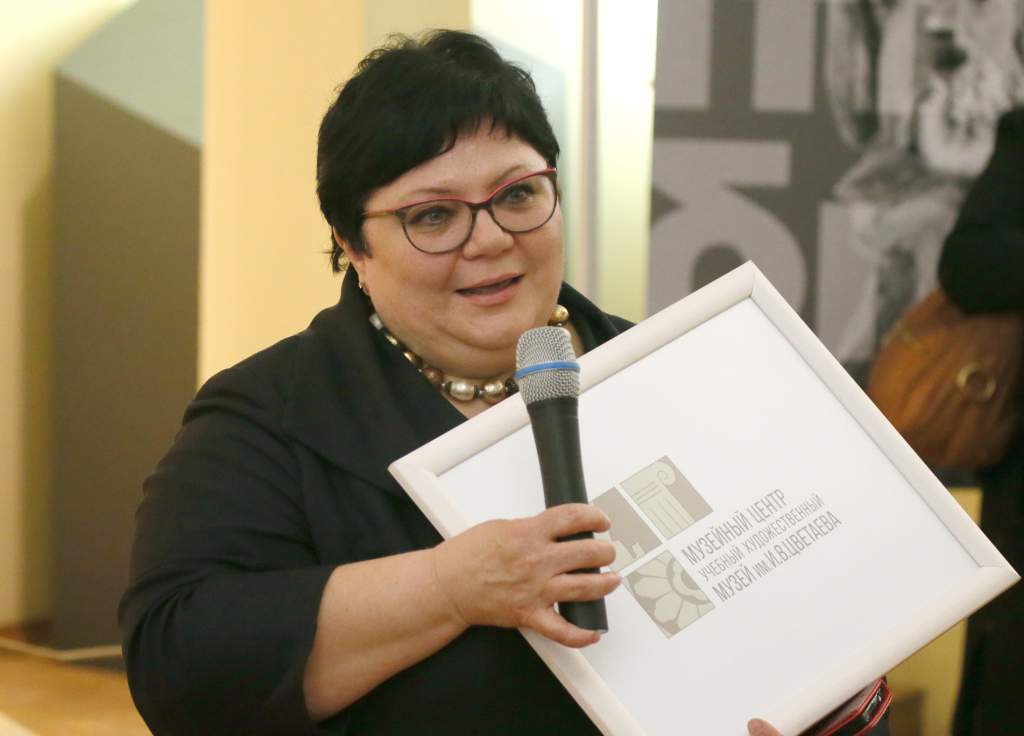
Rector Ivakhnenko opened the ceremony by giving honorary certificates to Dr. Antonova, President of the Pushkin Museum, Dr. Loshak, Director of the Pushkin Museum, Dr. Bakanova, Head of the RSUH Museum, and others.
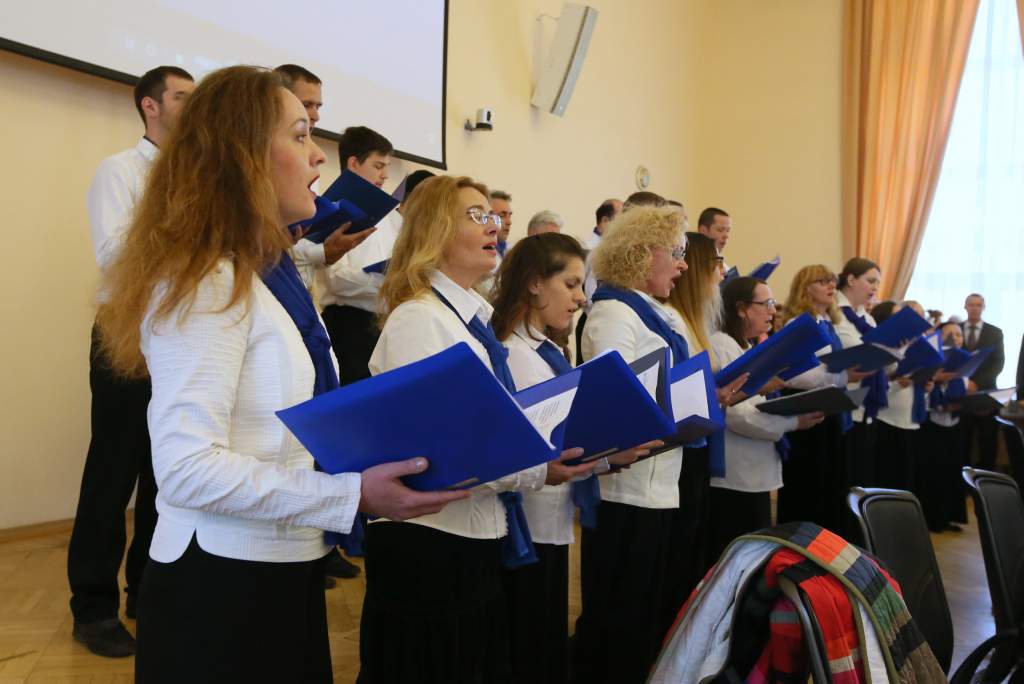
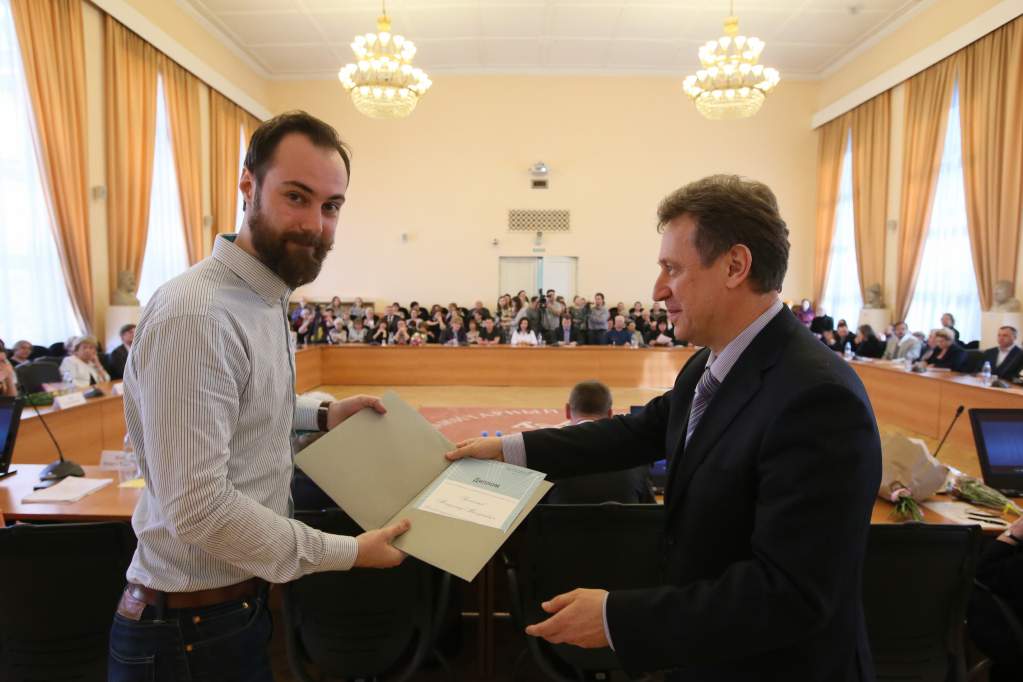
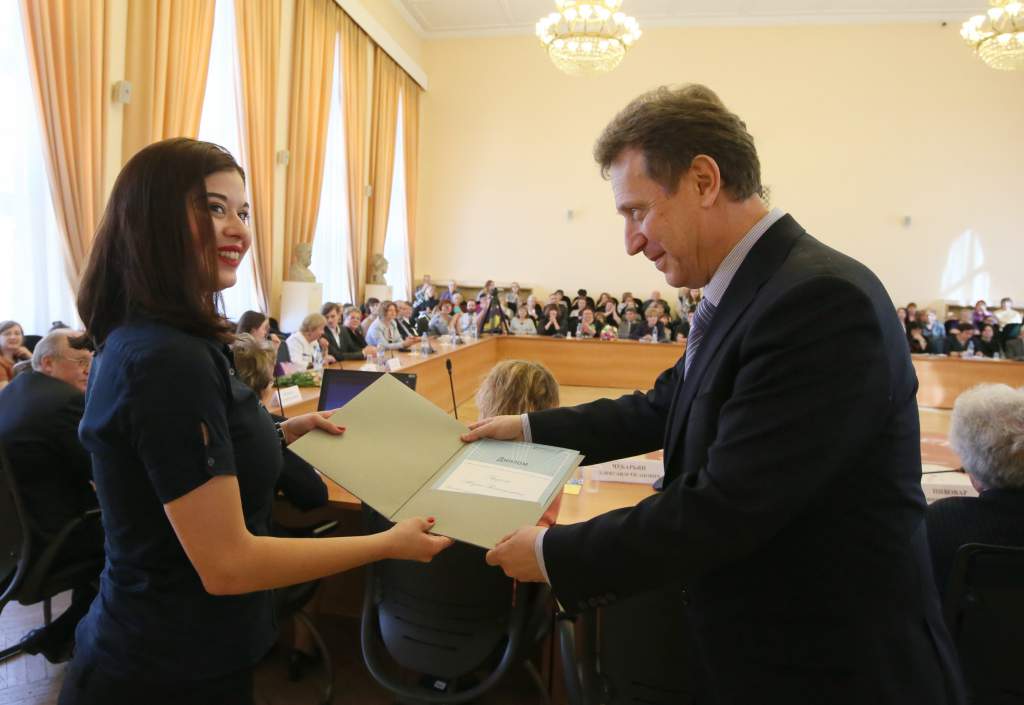
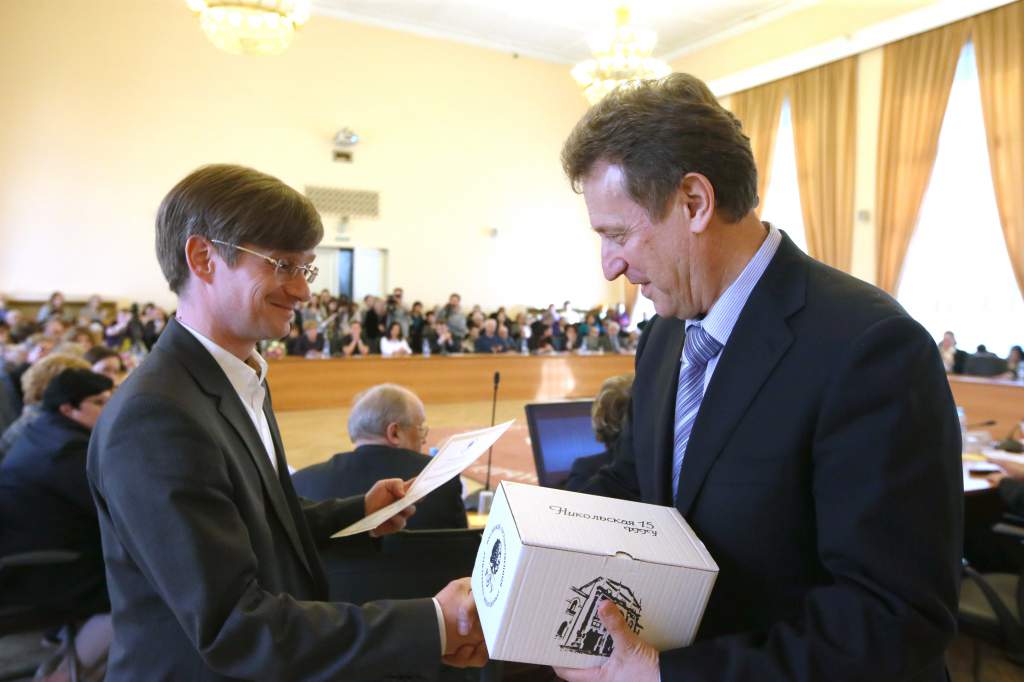
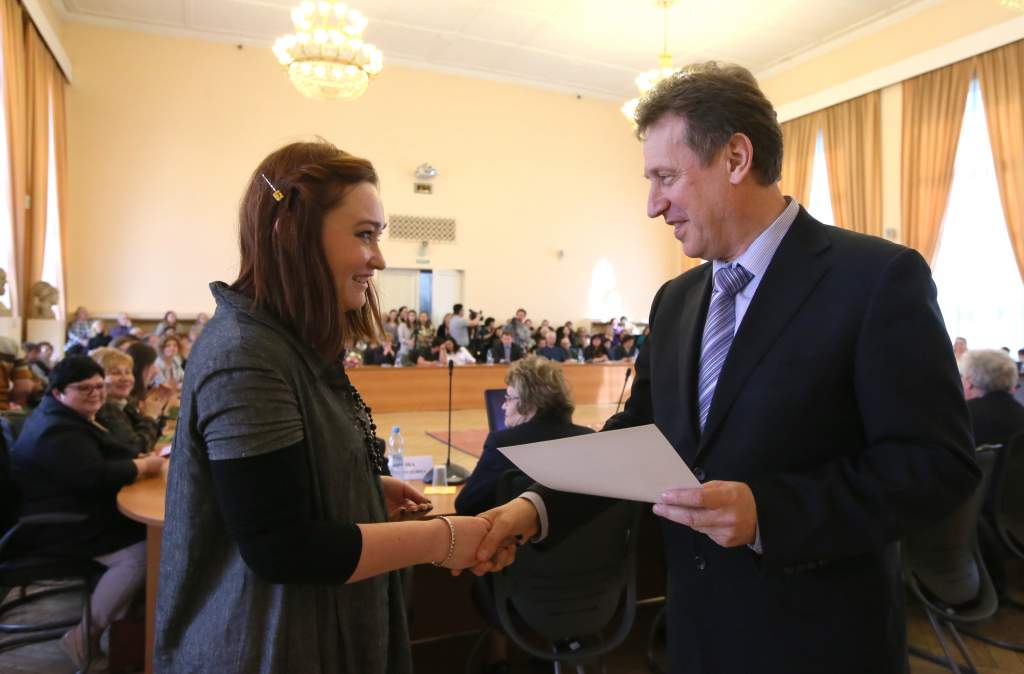
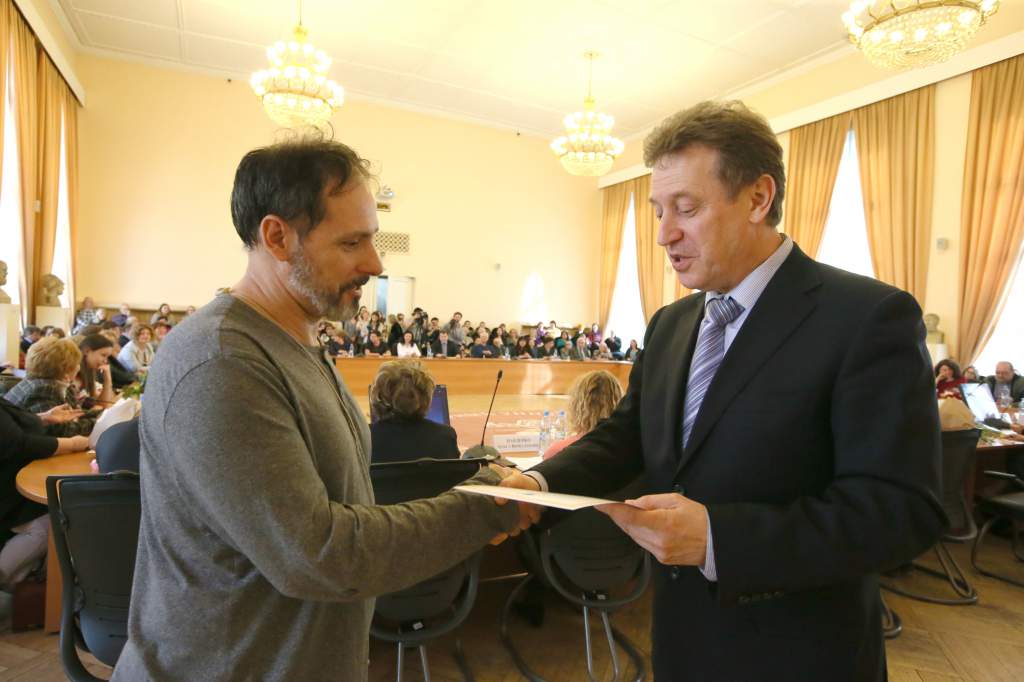
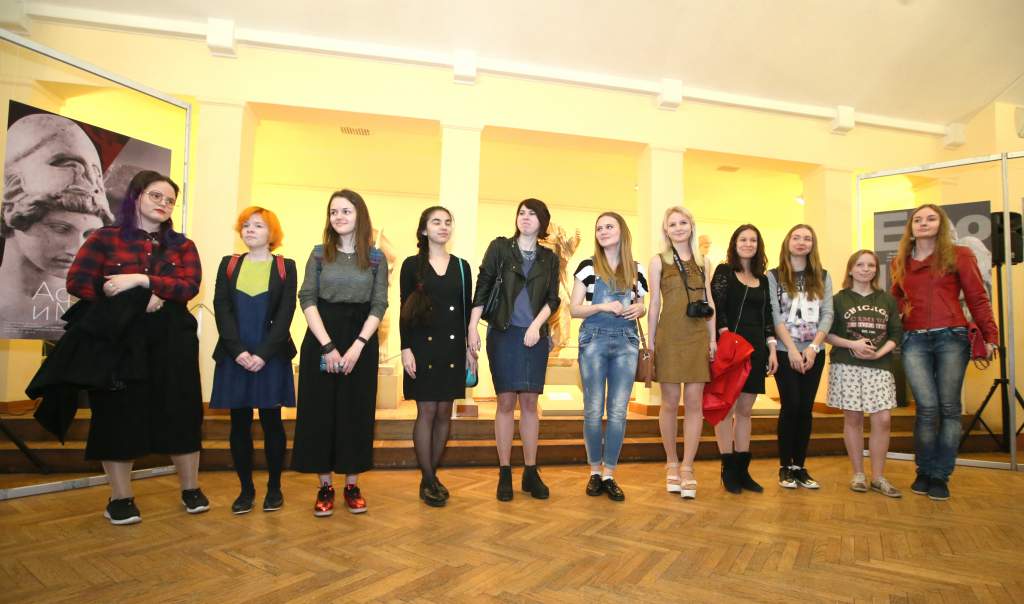
Then came the diploma-awarding ceremony for student fellows of the Potanin Scholarship following which commemorative awards were handed to several members of the RSUH faculty.
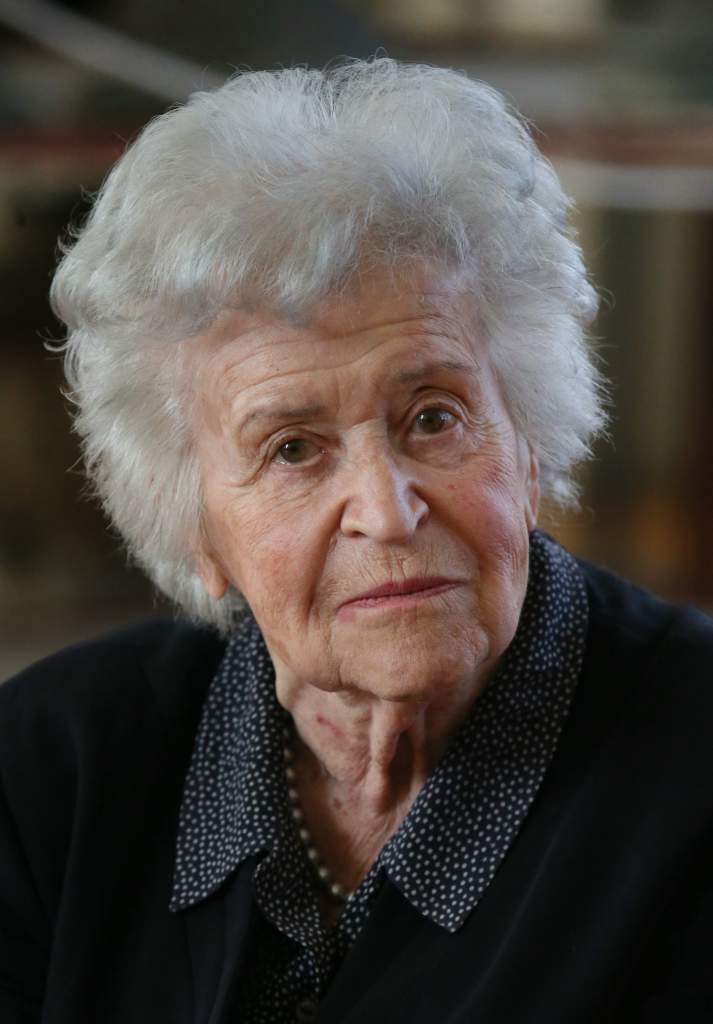
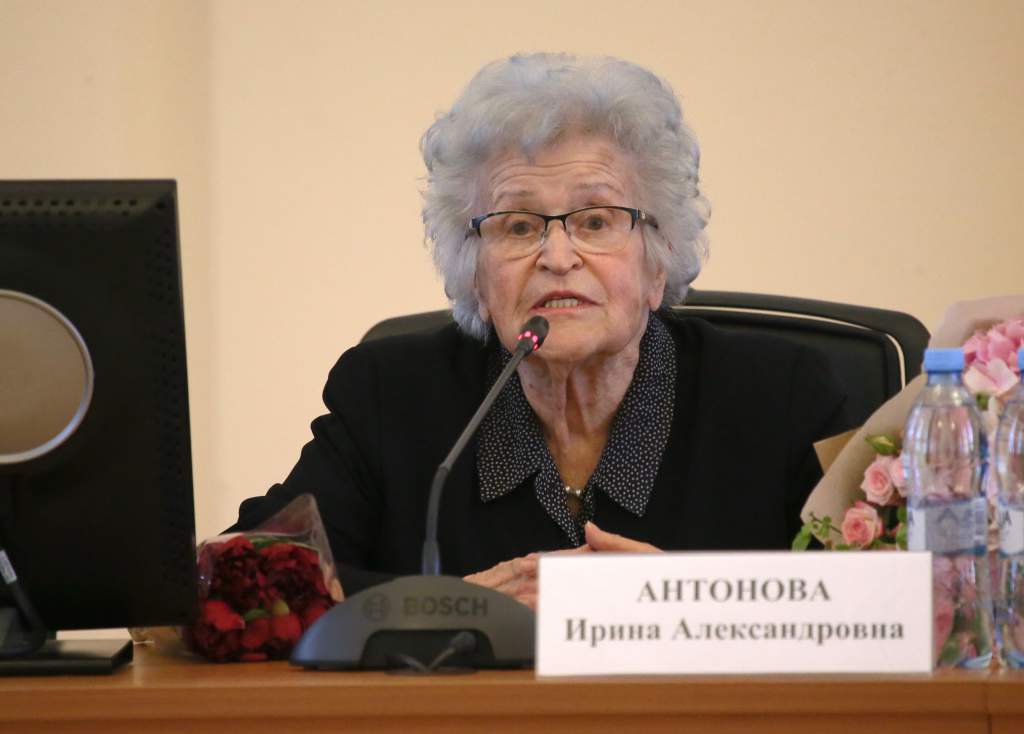
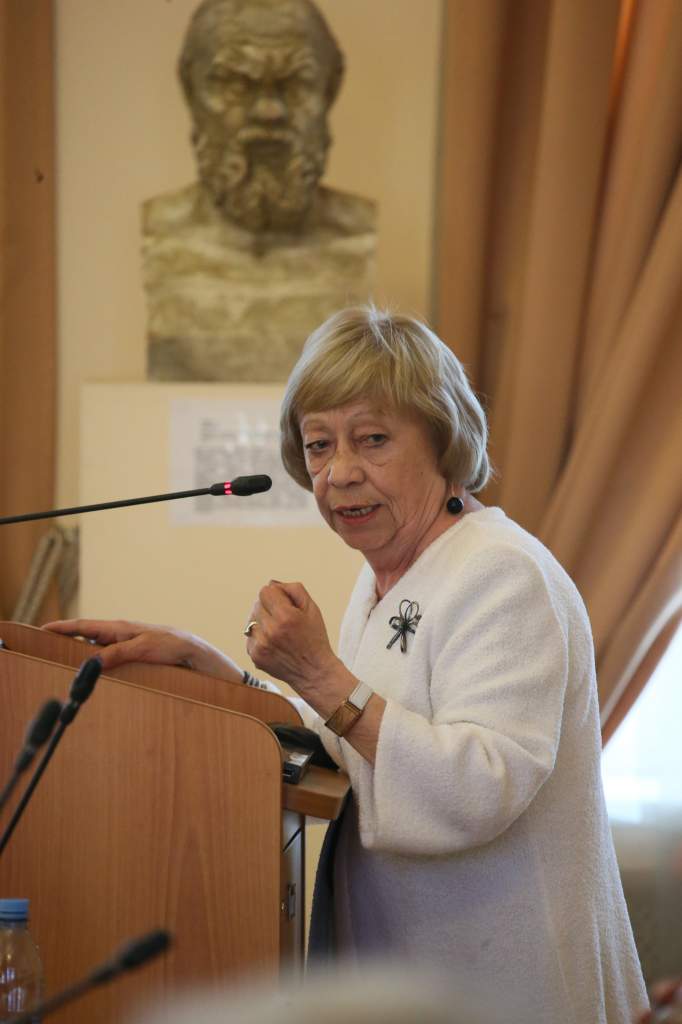
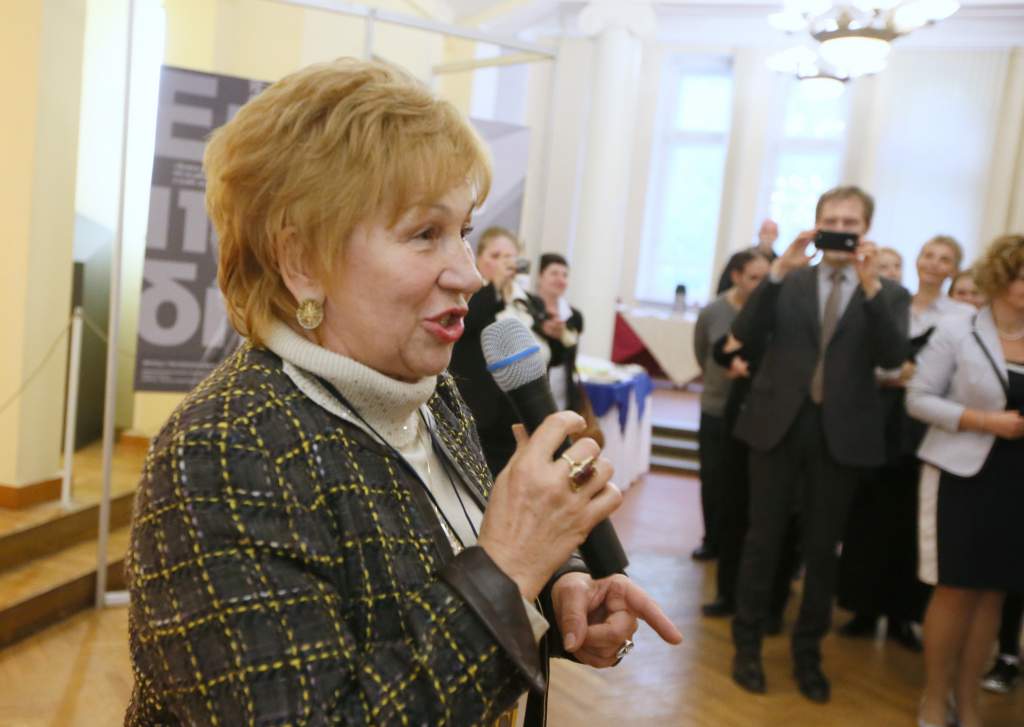
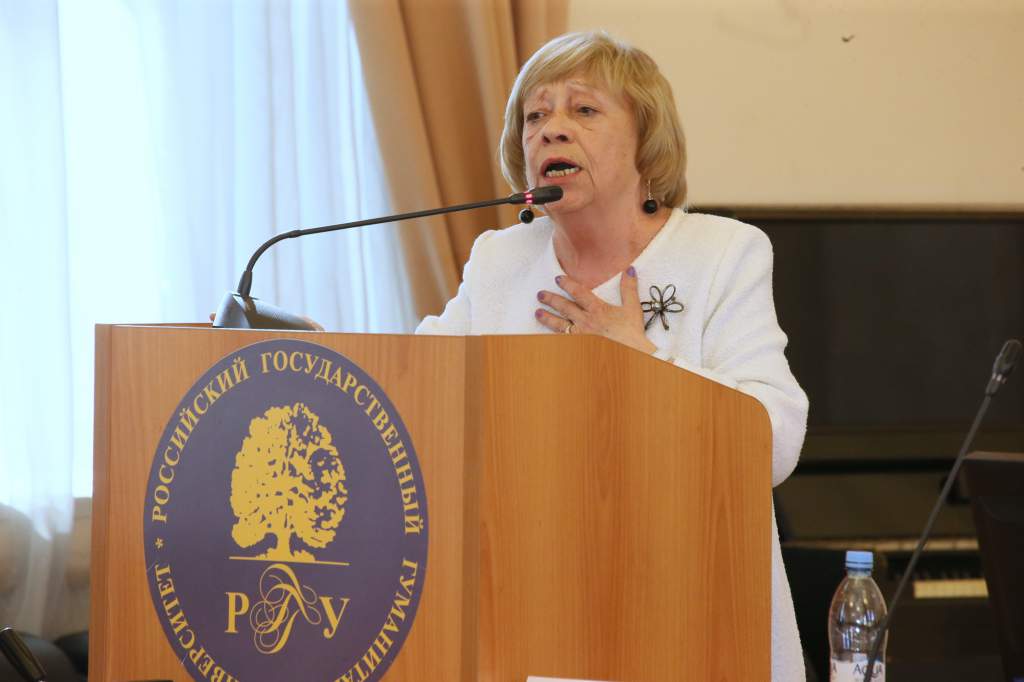
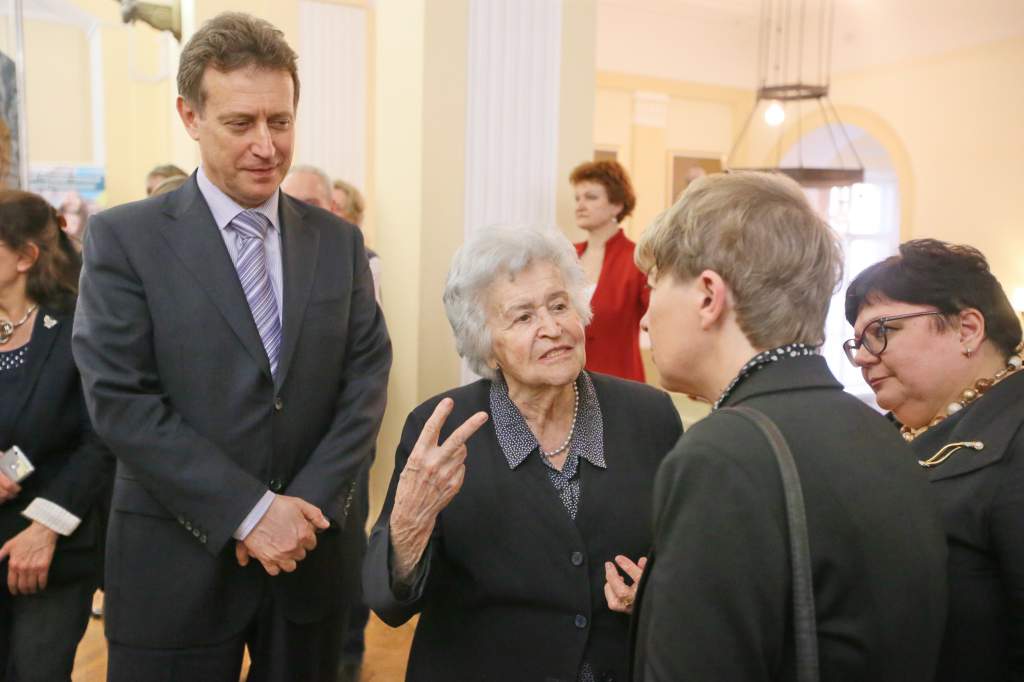
Dr. Antonova gave a keynote address in which she talked about the role Dr. Afanasiev had played in the creation of the RSUH Museum and its relations with the Pushkin Museum.
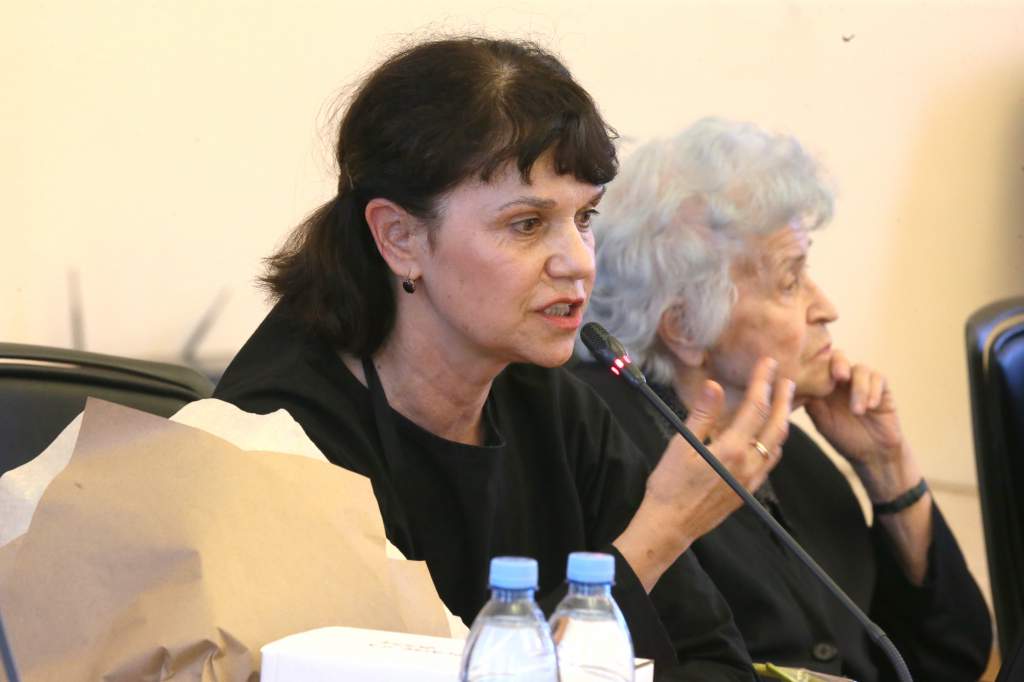
Dr. Loshak said in her speech that she was positive that the Liberal Arts tradition taken up by RSUH would continue and grow, disseminated among and by its students. She also added that RSUH and the Pushkin Museum worked together to create a cohort of the young specialists, educated, open-minded and well-grounded that would be in high demand by the state.
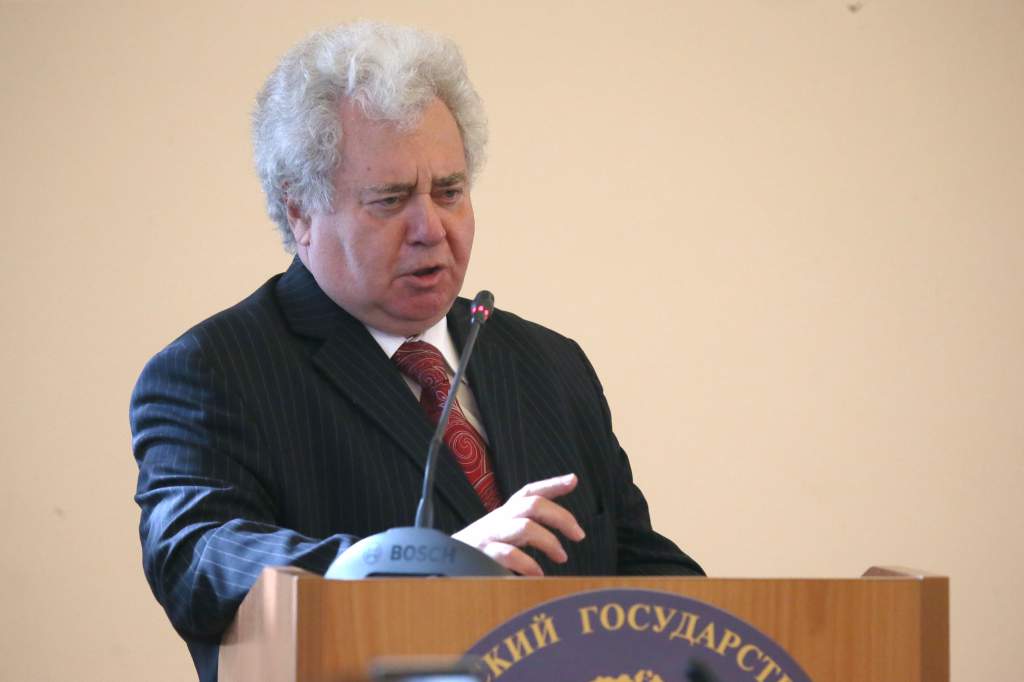
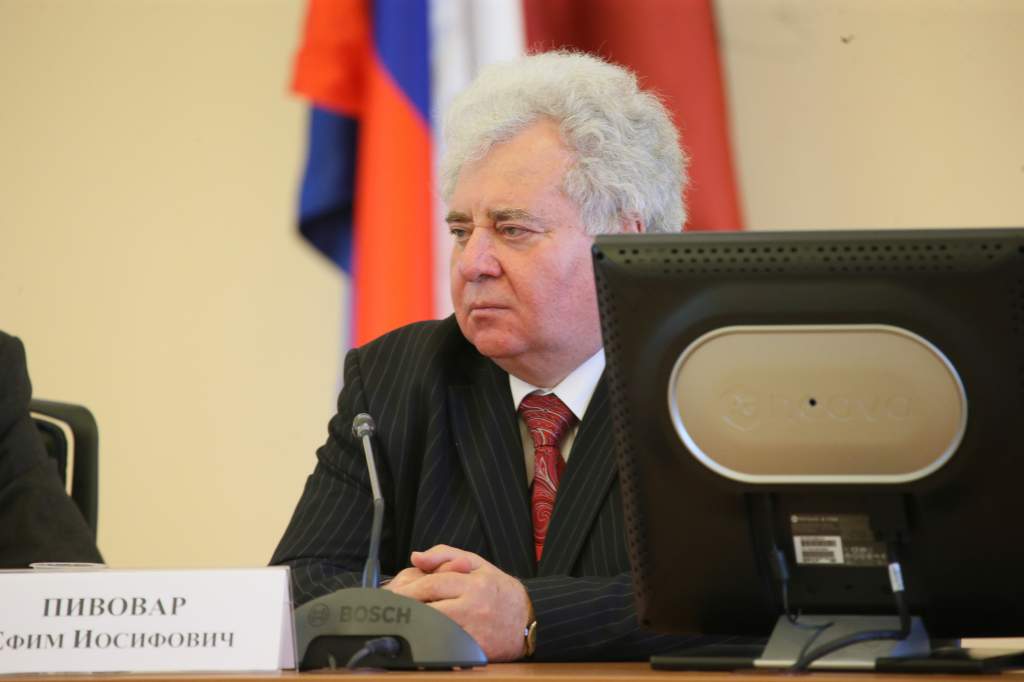
President Pivovar began his speech by thanking the people heading the Pushkin Museum and saying that at no time under his rectorship had there been any question of preserving the Museum of RSUH. He talked about the importance of the link between RSUH and the Pushkin Museum, both educationally and traditionally, and about how unique was that link.
The results, continued Dr. Pivovar, are obvious: RSUH schools of Design, Cultural Studies and History of Arts are among the best in the country.
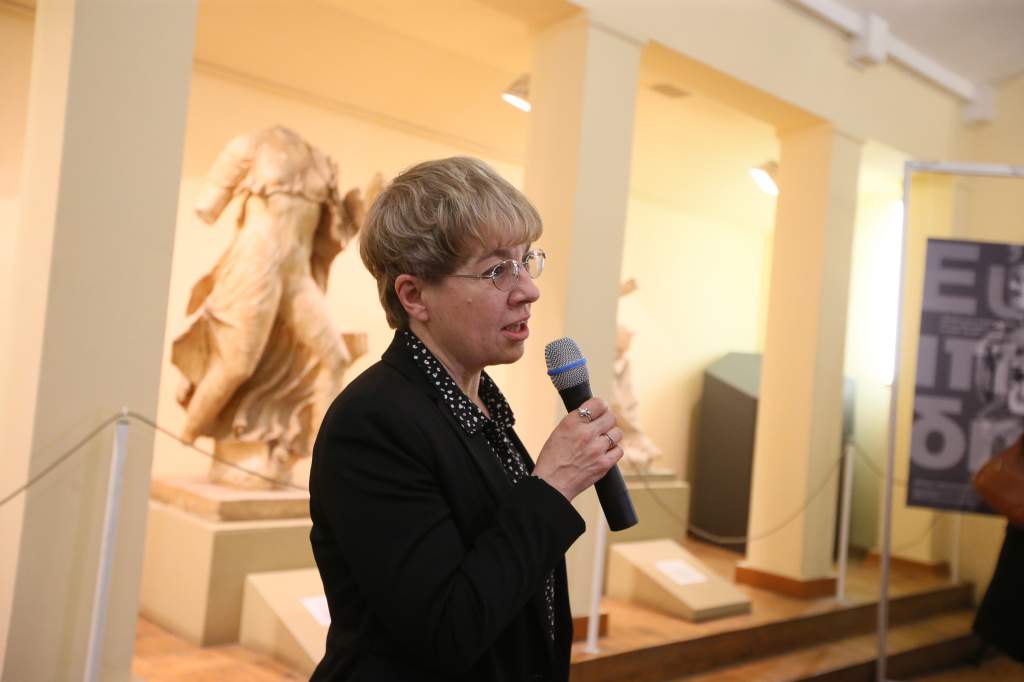
Dr. Basovskaya, Chair of the Department of World History, talked about Dr. Antonova, Dr. Afanasiev and Dr. Tsvetaev as the people instrumental in creating, enriching and expanding the cultural importance of the RSUH Museum.
Dr. Bak, Director of the State Museum of History of Russian Literature, sent an address to the participants, which said that the joint initiative of Dr. Antonova and Dr. Afanasiev had proved to be very fruitful both in the historic sense of revisiting Dr. Tsvetaev’s legacy and in continuing the modern tradition of developing museums as educational platforms and cultural centers.
Dr. Bakanova talked about the time the Museum of RSUH had been created and about the efforts it had taken to bring the project to fruition.
She said, among other things, that the copies exhibited in the Museum had been kept by the Ministry of Culture and it was an unprecedented and progressive step by the State to have them moved and placed at RSUH thus creating a kind of innovative pedagogy of joint museum- and university-based education.
Dr. Zhuk, Head of the Marina Tsvetaeva Memorial House, made a comparison between the two museums, and said that the level of aesthetical upbringing of RSUH graduates was potentially higher than that of those that had been educated in a museum-less environment.
Dr. Bezborodov, First Vice Rector, talked about the period when RSUH was being born and partially moved from Nikolskaya. He said that the people who had been lucky to work at the Institute of History and Archives, enjoyed a different worldview that set them apart from all others. The Museum, added Dr. Bezborodov, plays its role in perpetuating this process, creating new citizens of the new Russia. RSUH continues to be more than an educational institution and this tradition needs to be upheld.
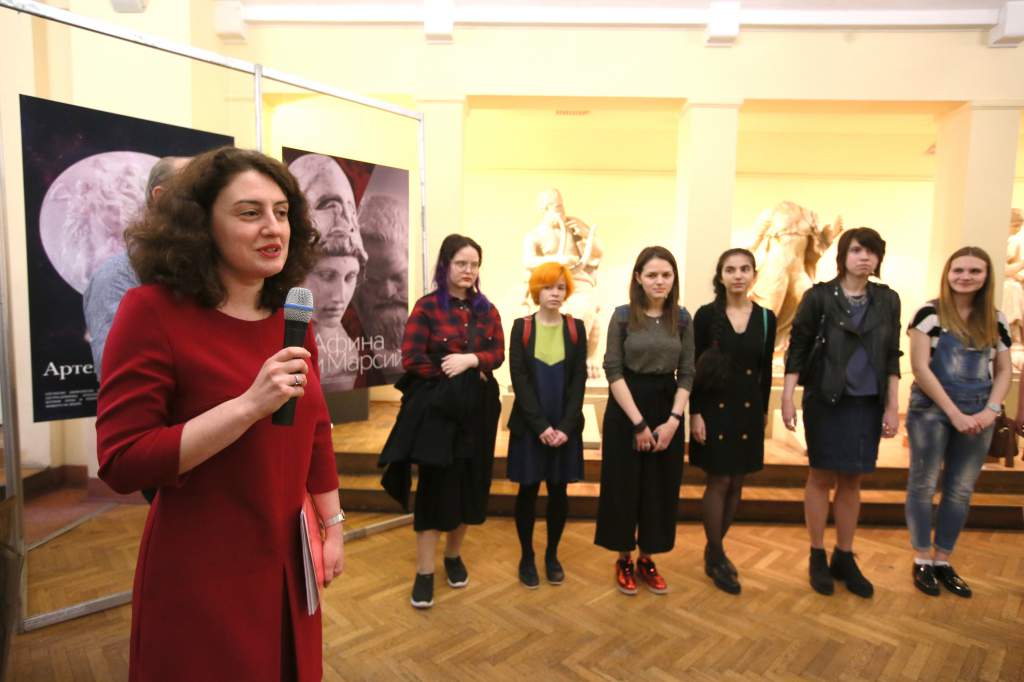
The Academic Council Room hosted the screening of a documentary about the Museum and in the Central Room Hall the Art-Design Center presented the works of its students that depicted objects from the Museum, combining modern graphic design practices and traditional approaches thus showing the practical implementation of the “Education Through Art” program, curated at RSUH by
Dr. Volkova.
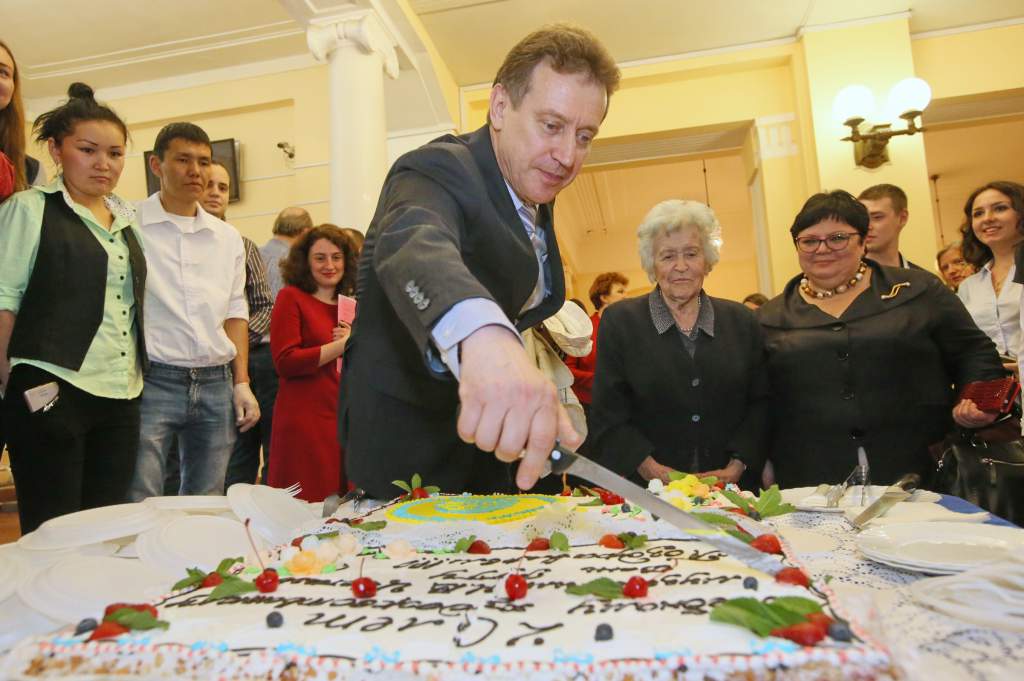
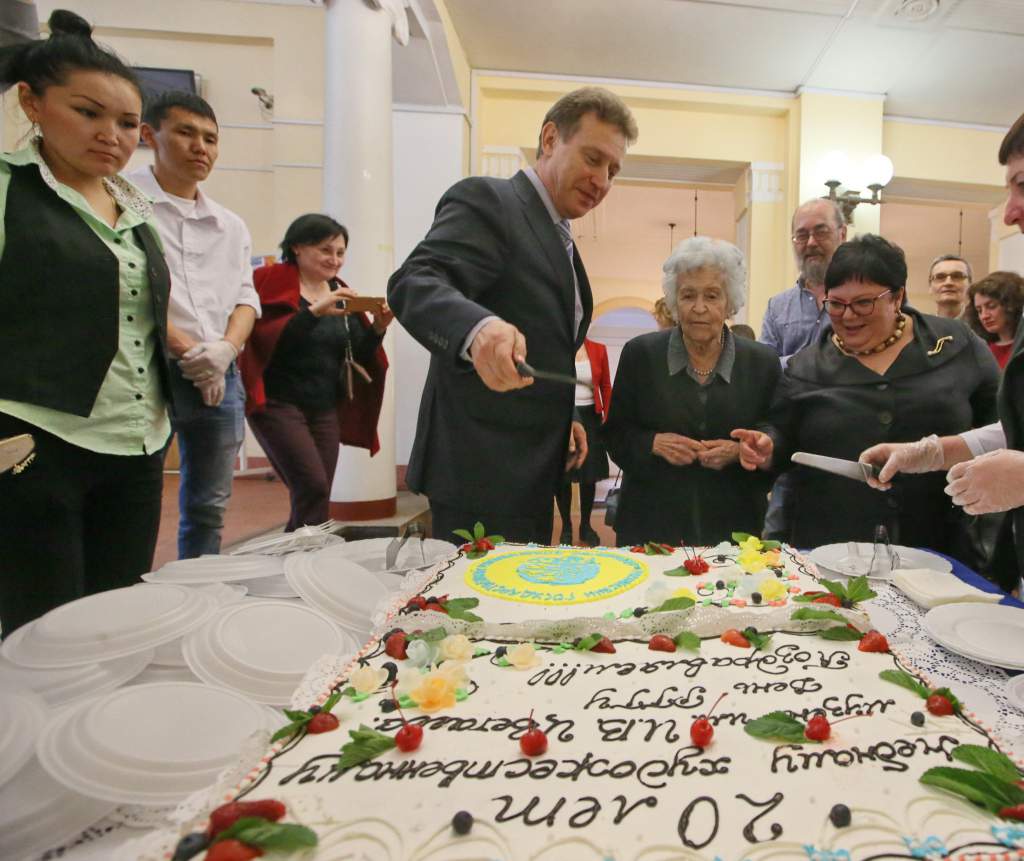
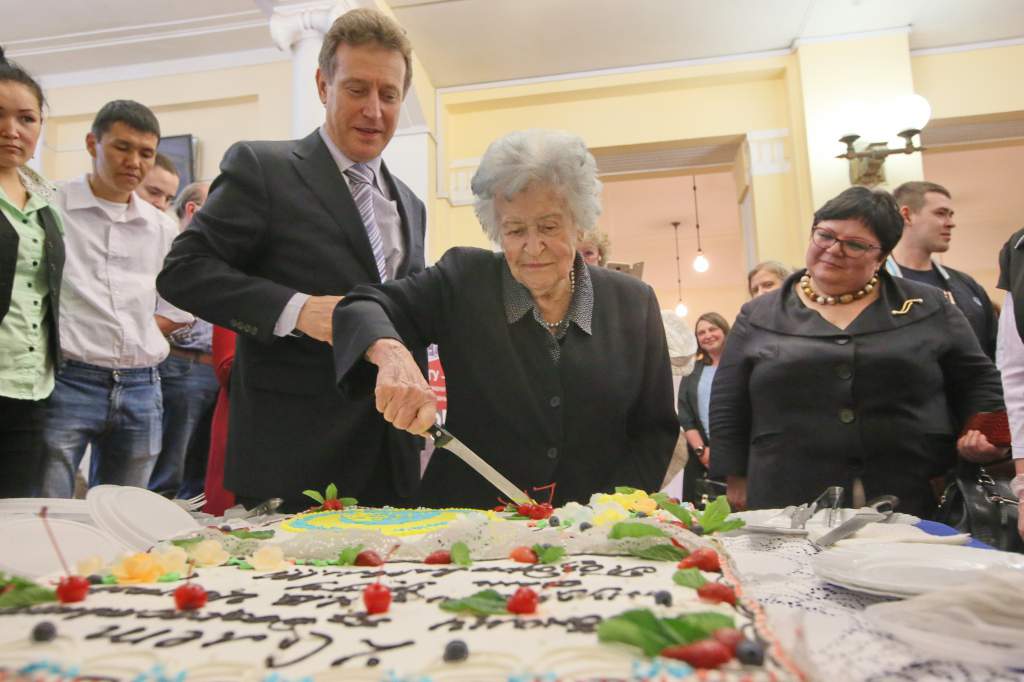
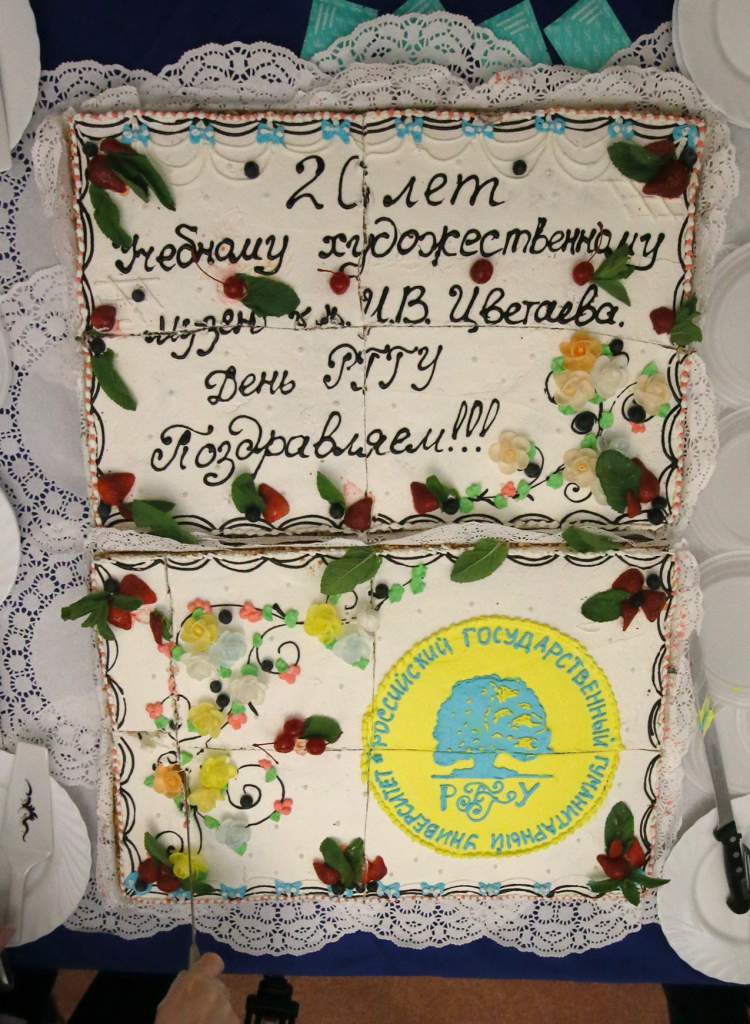
The event ended with a celebratory cake, offered by Rector.