04.04.2026
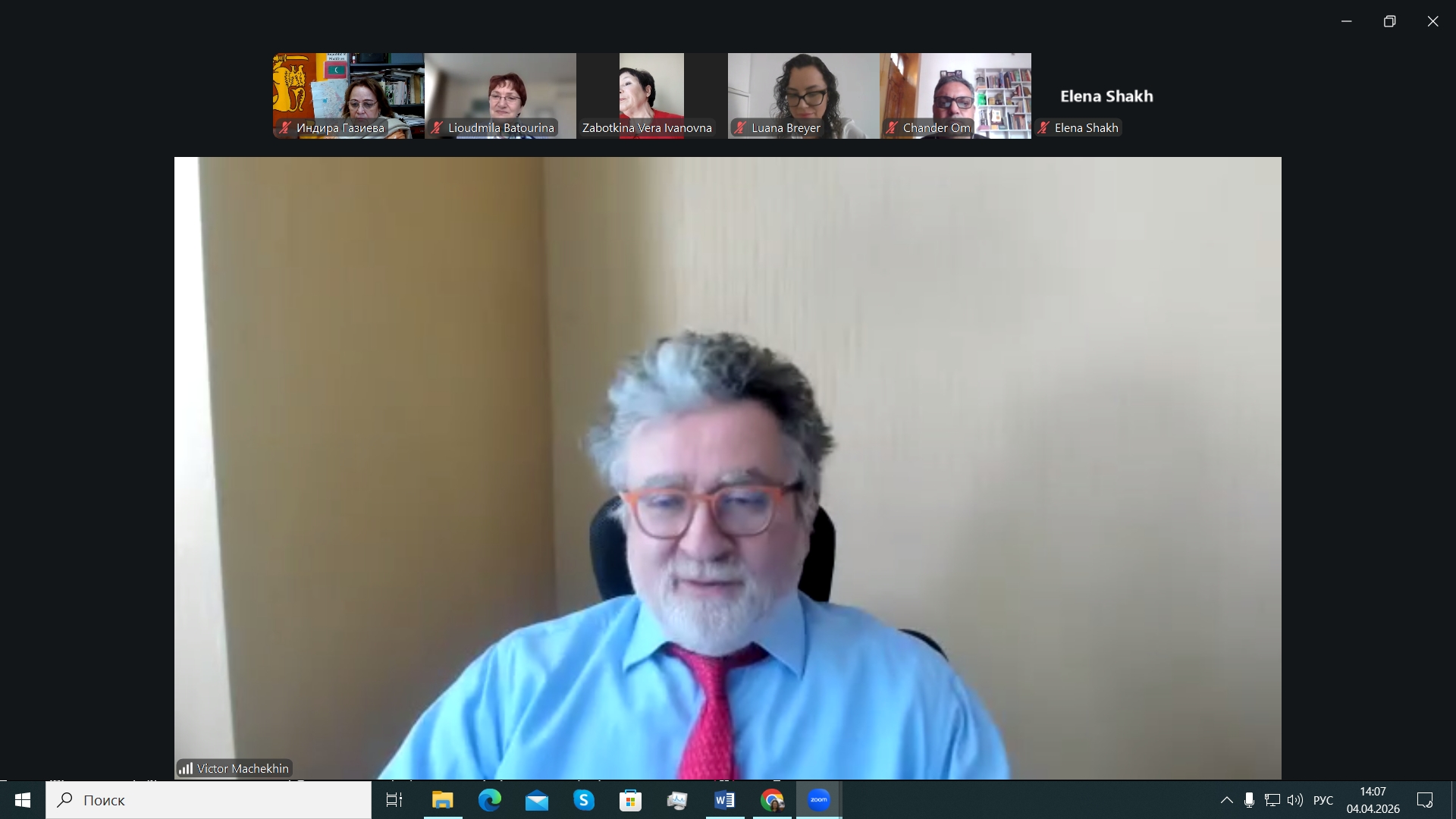
On April 4, 2026, an international roundtable discussion on "The Spread of Neural Network-Based Fake News in BRICS Countries and Legislative Solutions" was held at the Russian State University for the Humanities (RSUH)
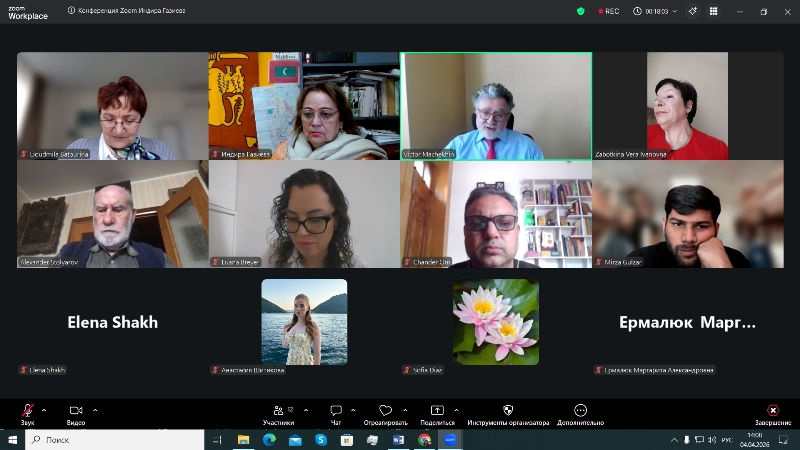
The working languages of the event were English and Russian. More than 30 experts, faculty, and students from leading Russian and international universities participated. International universities were represented by participants from Brazil and India:
Brazil: Lutheran University of Brazil (ULBRA), Federal University of Pampa (UNIPAMPA).
India: Shoolini University of Biotechnology and Management (Bajhole, Himachal Pradesh).
The event program included two sections, during which 27 papers were presented.
The first section (online) brought together 18 participants. The presentations from representatives from Brazil and India generated the most interest:
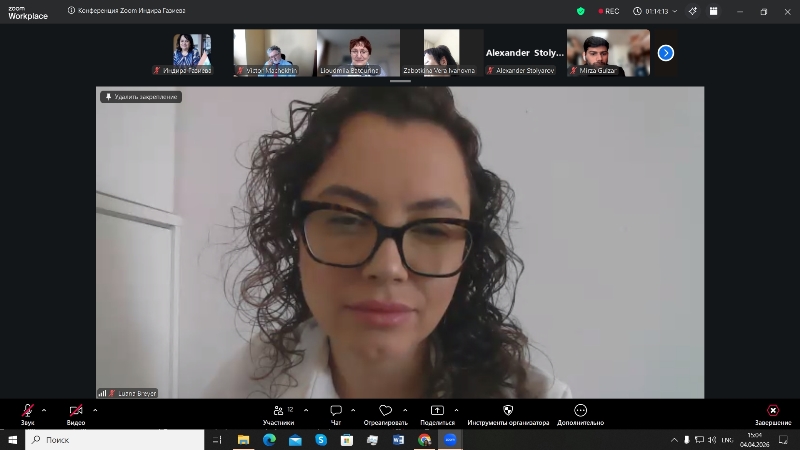
Professor Luana Breyer (Lutheran University of Brazil) discussed the transformation of media under the influence of neural networks and the formation of algorithmic expectations (Niklas Luhmann's theory).
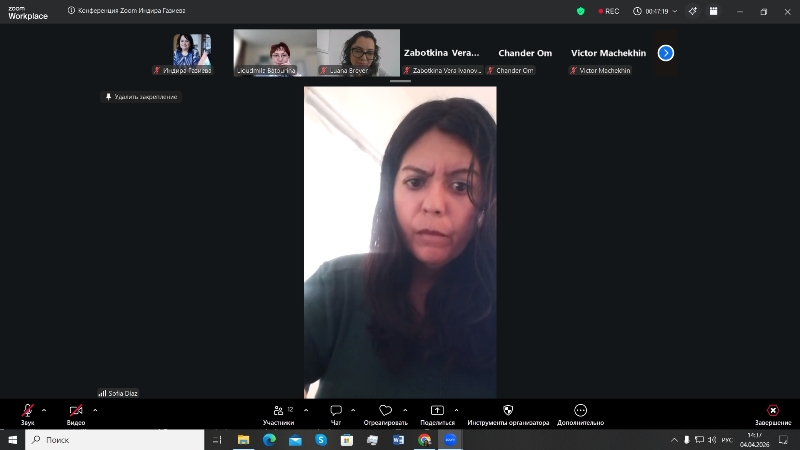
Student Sofia Dias (Federal University of Pampa) presented an overview of the booklet "Disinformation: One Dimension of Gender-Based Violence," focusing on the impact of fake news on the situation of women in Brazil.
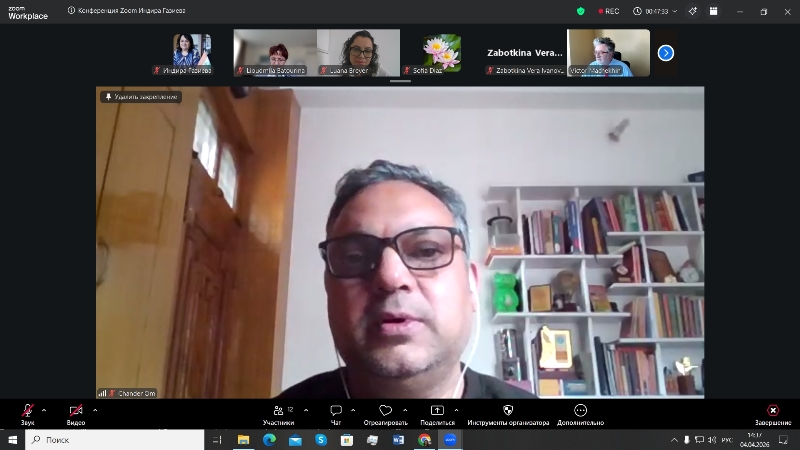
Dr. Chander Mohan Gupta (Shoolini University, India) addressed the issue of data falsification and examined ways to address it from the perspective of Indian law.
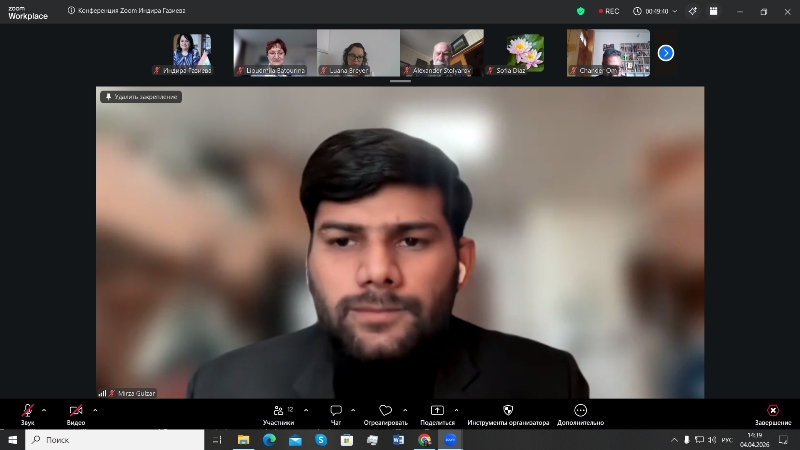
Mirza Gulzar Ahmed Beg (MSAL student) presented a paper on the legal regulation of neural network-based fake news in India.
The second (in-person) session was held in room 405(3) with 15 speakers. Third-year students from the Institute of Linguistics and the Institute of International Relations and Political Science of the RSUH presented their research here.