25.03.2026
Russian State University for the Humanities International Roundtable "Patriotism and Civic Identity: A Comparative Analysis of Russia and India" was held on March 25, 2026
March 25, 2026
Russian State University for the Humanities
International Roundtable "Patriotism and Civic Identity: A Comparative Analysis of Russia and India" was held on March 25, 2026. The event was jointly organized by the RSUH and Girijananda Chaudhuri University (Guwahati, Assam, India),
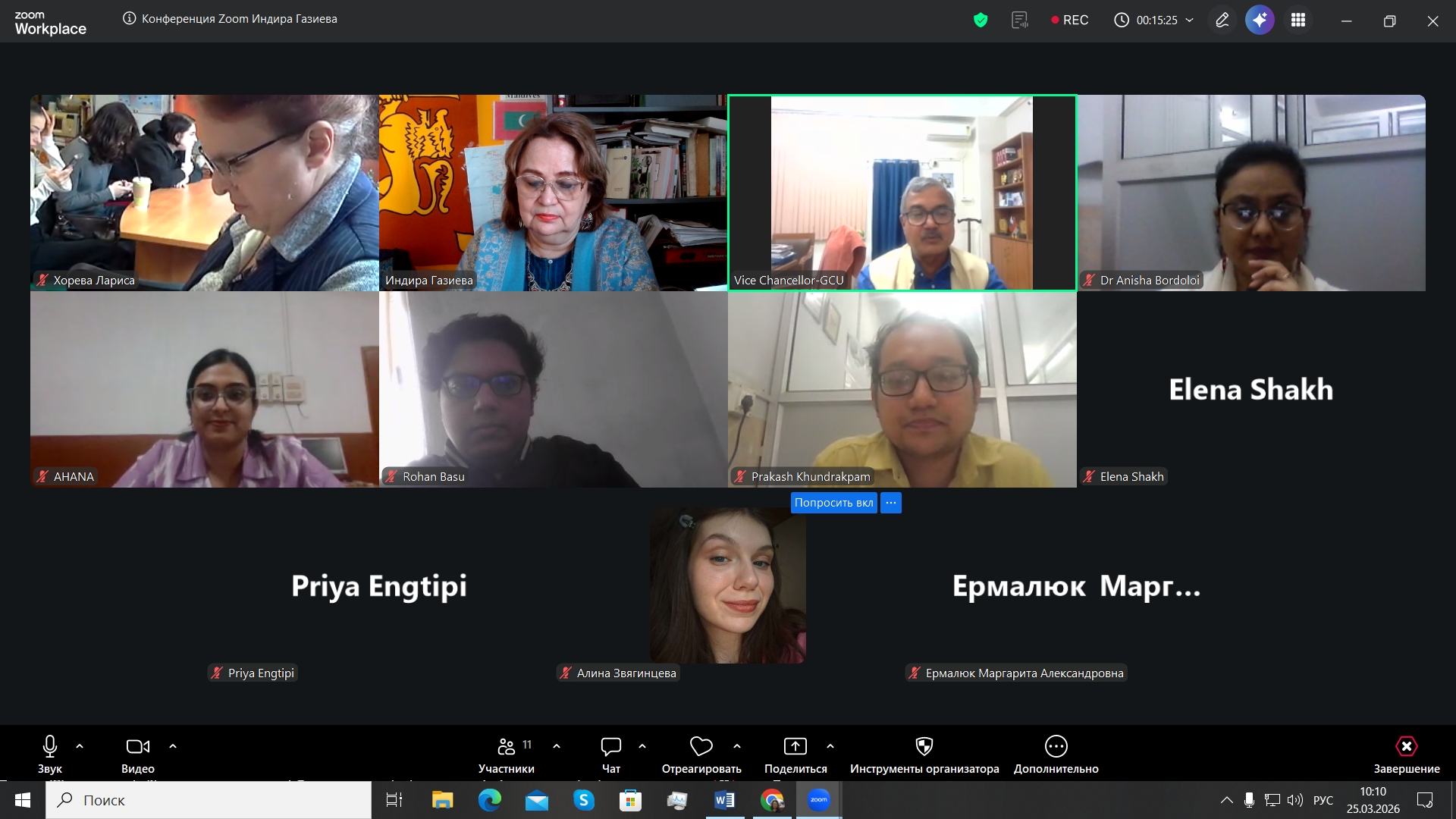
Professor Kandarpa Das, Vice Chancellor of the Girijananda Chowdhury University discussed the complexity and diversity of Indian society, emphasizing the importance of understanding its multicultural composition for studying patriotism and civic identity. He highlighted similarities between India and Russia in terms of multiculturalism and suggested that the roundtable would provide valuable insights for young scholars studying Indian studies. Professor Kandarpa Das described the Soviet heritage and the impact of Soviet Union's dissolution on personal identity.
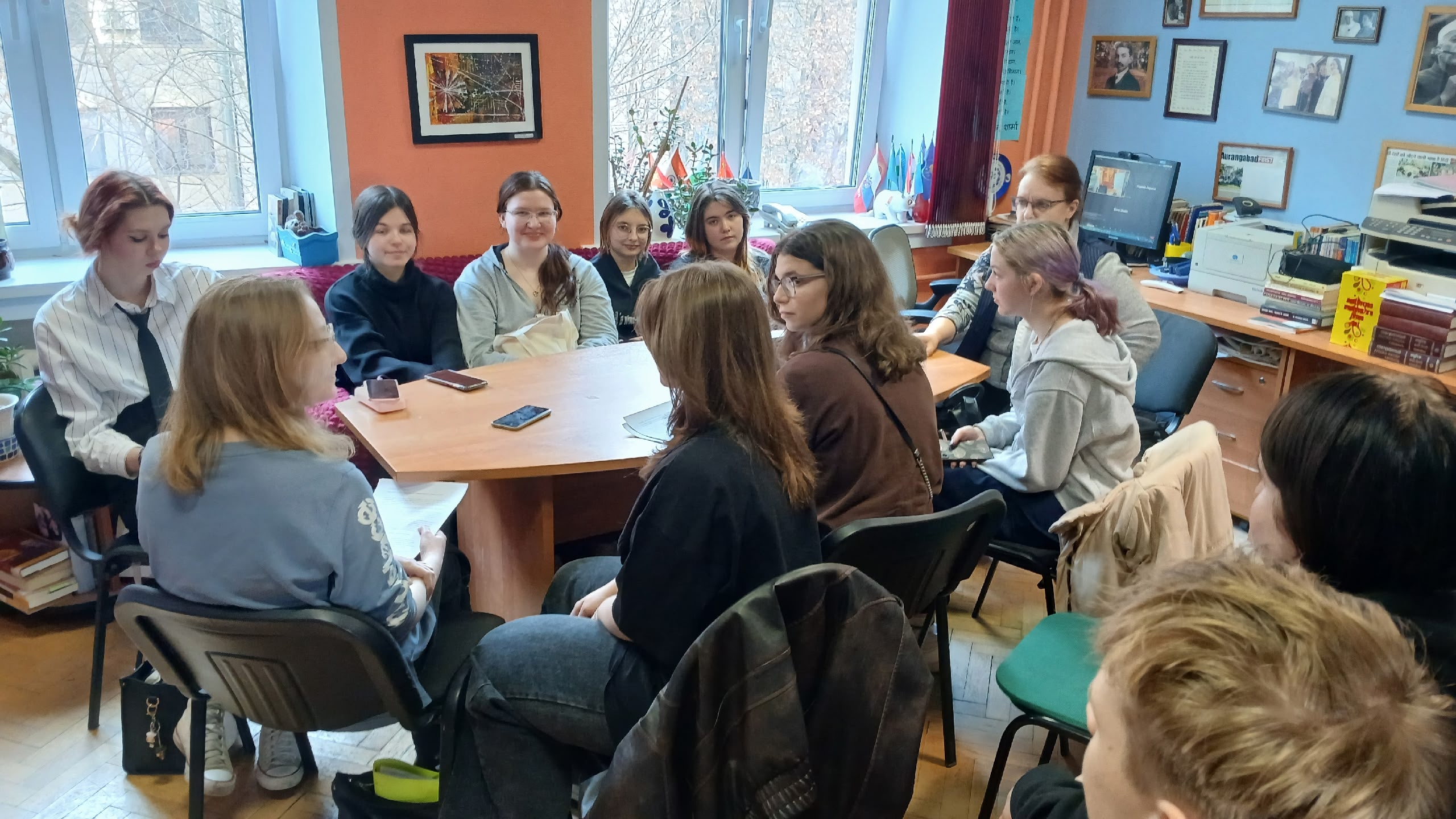
The Indian participants, including Dr. Anisha Bordoloi, Dr. Dr. Prakash Khundrakpam, Dr. Ahana Choudhury, Dr. Rohan Basu and Priya Engtipi, shared insights about the complex identity dynamics in Northeast India, particularly focusing on tribal communities, cultural diversity, and the historical context of colonialism and partition. Russian students presented on various cultural topics including Spanish festivals (Las Fallas and San Fermine), Russian folk arts (Gzel and Khokhloma), and the history of Russian ballet and painting. The discussion highlighted how cultural identity is shaped by historical experiences, including the Soviet period for some Russian participants, and how regional, ethnic, and national identities intersect in both countries.
The meeting focused on organizing a roundtable discussion about patriotism and civil identity in Russia and India, aimed at engaging students studying Hindi, Indology, and Spanish at the university. Dr. Anisha Bordoloi HOD of the Department of History Girijananda Chowdhury University thanked participants for joining and outlined the discussion's topics, which included historical and cultural memory, civil position, and awareness of oneself as part of the Russian state and society.